
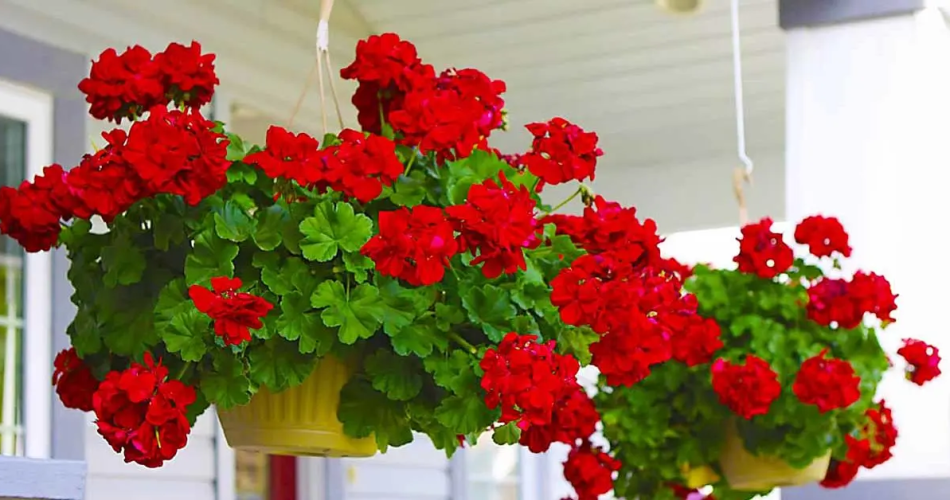
Called geranium by florists, pelargonium is a perennial plant with evergreen foliage, belonging to the Geraniaceae family. This flowering plant is the most common species found in gardens and balconies. Native to South Africa, pelargonium is easy to care for. Its blooms offer flowers of various colors, ranging from white to pink, and even purple to blue. However, pelargonium foliage can discolor and turn red. Discover the common mistakes responsible for this discoloration of garden geranium leaves.
When a plant is poorly maintained, its foliage can change color. The leaves can then turn yellow or even red. This is also the case with pelargonium, also known as florist’s or garden geranium.
Why do the leaves of florist’s geranium turn red?
There are 3 main problems that can cause red pelargonium leaves.
Read also: How to use bay leaves to attract luck and prosperity?
Red leaves from overwatering
Pelargoniums prefer well-drained, slightly moist soil. This plant only needs a small amount of water. However, overwatering can lead to leaf discoloration. This problem is more common in potted pelargoniums. Standing water in the saucer can drown the roots. If this problem persists, your plant’s leaves may fall off and die.
water the geraniums
Red leaves due to cool temperatures
Cold or fluctuating temperatures can shock the plant and discolor its leaves. This happens in spring when temperatures begin to change and it starts to get warm, and in fall when temperatures drop. Garden geraniums also appreciate warmth. That’s why it’s important to bring potted geraniums indoors when it starts to get cold.
Red leaves due to stress
If your plant’s leaves have turned red, it means your pelargonium is exposed to stressful conditions that can be caused by overwatering, but also by prolonged exposure to the sun. Pelargoniums certainly appreciate heat and sun, but sometimes direct exposure to sunlight can discolor the leaves, especially the older ones. In this case, prefer a partial shade exposure to overcome this problem. Your plant can be stressed even if it is planted very early, outdoors, when the climate is not yet favorable. We also speak of stress when the soil becomes poor in minerals. Furthermore, the root system of the pelargonium is sensitive to deficiencies, particularly in trace elements and phosphorus. That said, fertilize your plant whose leaves have turned red, with a liquid fertilizer rich in phosphorus , every two weeks during the vegetative growth period. Fertilizer is also recommended for slow-growing pelargoniums to accelerate their growth.
Also read: 12 Fast Growing Seeds That Sprout Easily
How to care for florist’s geranium and preserve the color of its leaves?
growing pelargoniums in pots
To successfully grow pelargoniums, it is important to pay attention to irrigation . Before watering your plant, stick your finger into the soil to check its moisture. This will help you avoid overwatering. Also, let the soil dry between waterings, and remove any standing water in the saucer or pot. In addition, repotting every two years is recommended to ensure your pelargoniums last a long time. Before repotting your plant, place a layer of clay pebbles at the bottom of the pot to facilitate drainage. To ensure abundant flowering, remember to prune your geranium regularly. To do this, equip yourself with sharp, disinfected pruning shears and remove faded flowers and dead leaves. If some leaves begin to lose their green color, prune them with small shears. This encourages your plant to produce more vigorous, leathery leaves. Also remember to protect your plant, especially young plants, from pests and parasites that ravage it, such as green aphids, thrips or whiteflies.
By avoiding overwatering and stressors of pelargoniums, you will preserve the green color of your plant’s foliage, avoid discoloration, and keep it vigorous and in good condition year-round, even if you don’t have a green thumb.