
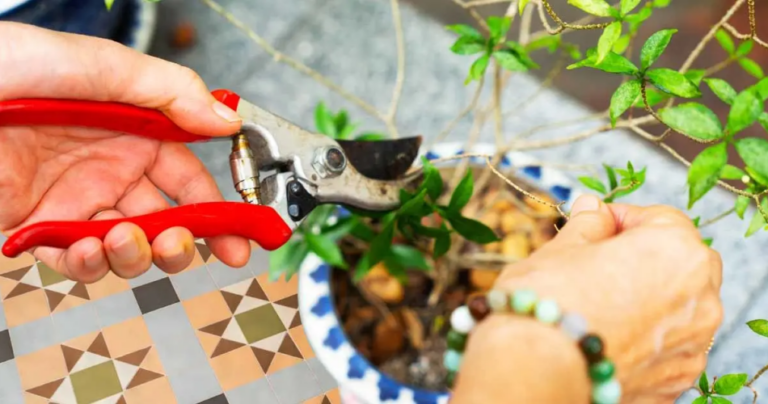
on 3 types of plants that should not be pruned in February
To keep plants and shrubs healthy and stimulate flowering or fruiting, it’s important to prune them. This removes dead branches and limits the spread of disease. That said, to successfully prune your plants, it’s especially important to know when to do it, otherwise you risk damaging them. Find out which plants you shouldn’t prune in February.
During winter, some plants use their foliage to protect themselves from the cold. Cutting them back would be a bad idea. It could even compromise flowering or fruiting the following season.
Which plants should not be pruned in February?
Three categories of plants should not be pruned in winter, particularly during the month of February.
Also read: Why pour bleach on flowers? My gardener’s magic trick
Do not prune plants that remain decorative even in winter.
In this category, we find
– Evergreen plants, meaning plants that keep their leaves all year round. Their foliage is not only decorative, but also provides a haven for beneficial insects in the garden, known as auxiliaries, such as ladybugs, which are also effective at eliminating aphids. Plants with decorative evergreen leaves include bay, boxwood, and conifers.
boxwood
– Shrubs with decorative fruit or branches: holly, ivy, aucuba, or spindle tree are decorative fruit trees that should not be pruned in February. Dead wood should be removed until the end of winter. As for shrubs with decorative branches, they are only cut in early spring. Felling a tree or shrub consists of pruning it by cutting off the top and large branches. This allows you to have young shoots next winter, which are much more colorful and attractive than old branches. Examples include bark dogwoods, pheasant trees, and twisted hazelnuts.
pheasant
– Plants with decorative foliage that protects against cold and frost: if we take the example of deciduous grasses, their long leaves decorate the garden, but also protect the plant stump from frost. In addition, they provide a refuge for many insects. This is also the case with hydrangeas. Their ball-shaped inflorescences are decorative and also help protect the plant’s flower buds from late frosts.
hydrangea
– Winter-flowering shrubs: Winter-flowering shrubs are ideal for decorating your garden in winter. Therefore, they should only be pruned after they have finished flowering. This is especially true for camellias, bay trees, and witch hazels.
camellia
Do not prune plants that flower in spring.
Pruning a spring-flowering plant in winter, or a fruit tree that bears fruit in spring, can compromise flowering or fruiting the following season.
As for shrubs that bloom in spring, growing from the previous year’s shoots, you will have to wait until the end of flowering to prune them. If you do it in winter, you risk removing the branches that bear the flowers, thus compromising the subsequent flowering. That said, shrubs such as lilac, rhododendron, Japanese quince, flowering blackcurrant, apple tree, magnolia or certain evergreen perennials such as bergenia, small periwinkles or clams should not be pruned in February.
Also read: Are you afraid that the cold will damage your plants? You should do it without delay.
rhododendron
Do not prune plants sensitive to cold and frost
Some plants are not very hardy; they cannot withstand winter cold or frost. If you prune them during the month of February, you risk weakening them, particularly due to injuries and excess sap that pruning can cause. In this case, you will have to wait until the end of April to prune them. This is particularly the case for olive trees, oleander, and escallonia.
oleander
If you have these plants or shrubs in your garden or orchard, avoid pruning them in February and wait until the end of winter to do so.
Also read: It’s the perfect time to sow these 10 plants that will perfume the garden in winter