
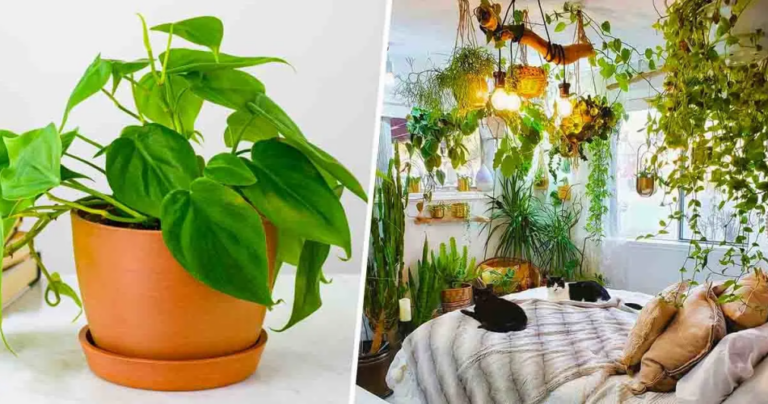
5 plants to avoid in the bedroom: they can cause allergies
House plants aren’t suitable for everyone. Some plants have allergenic potential. They can trigger allergic symptoms, leading to contact dermatitis, rhinitis, and even conjunctivitis. Discover the 5 allergenic houseplants you shouldn’t keep in your bedroom.
While some plants are known for purifying indoor air, others are quite allergenic. They carry allergens that can trigger allergic reactions. These cause a respiratory reaction or a contact allergy.
Why do some plants have allergenic potential?
Plant leaves, fruits, stems, or sap may contain so-called allergens, i.e., substances that can trigger allergies. In addition, some plants, such as flowering plants, can release pollen into the air, causing reactions in people with pollen allergies.
Read also: Practical guide to planting lemon seeds in pots
Symptoms of an allergic reaction include conjunctivitis, contact dermatitis, rhinitis, asthma attacks, and urticaria, an inflammatory skin reaction that causes red patches similar to nettle stings.
Which houseplants are allergenic?
Some houseplants contain allergens that can cause allergic reactions. These allergens can be found on the leaves, in the sap, pollen, or even the fragrance.
Ficus benjamina: plant with high allergenic potential
ficus benjamina
Also known as the weeping fig, the ficus is an ornamental shrub native to Asia and Oceania. The sap of the ficus tree contains latex-like substances that have high allergenic potential. These allergens are released into the air along with dust when the ficus’s foliage is shaken.
Yucca gloriosa: allergenic houseplant
yucca
Yucca is a succulent, perennial evergreen shrub. Native to Central America, yucca can be grown indoors or outdoors. Although the stem and seeds of the yucca are edible, the rest of the plant is poisonous. Additionally, yucca can cause allergies or contact irritation.
Philodendron: tropical allergenic plant
Philodendron1
It’s important to know that there are different varieties of philodendron. It’s a tropical plant with more or less cut leaves. Although undemanding and easy to care for, this houseplant isn’t suitable for everyone due to its allergenic potential. If touched, the philodendron can cause itching, redness, and a burning sensation. The leaves and stem of this plant are particularly toxic. Bringing this plant close to your mouth can cause swelling of the lips and tongue, a burning sensation, or, worse, difficulty breathing. In addition, the sap of the philodendron contains calcium oxalate, which can cause eczema. Please note that this plant is toxic to pets.
Green plants aren’t the only cause of allergies; flowers can also have allergenic potential. This is also the case for amaryllis and chrysanthemums, as well as orchids, tulips, and geraniums.
Amaryllis: a flowering plant with allergenic potential
Amaryllis
Amaryllis is a perennial flowering plant. According to Doctissimo, it is toxic to children, particularly because of its bulb. Ingestion can cause diarrhea, vomiting, and even dry mucous membranes or tremors.
Read also: Lucky are those who have this plant at home: they are very lucky without even knowing it
Chrysanthemum: allergenic flowering plant
Chrysanthemum
Chrysanthemum is a perennial flowering plant. The leaves, flowers, and stem of the chrysanthemum are allergenic and irritant. Contact with this plant can cause allergic contact dermatitis. Body parts exposed to the plant can develop red eczema, especially between spring and summer. Skin manifestations may worsen during the plant’s growing season.
This non-exhaustive list of allergenic plants allows you to know which indoor plants should not be kept in the bedroom, and even less so in the children’s room.
Also read: How to Make the Most Powerful Homemade Garlic Insecticide to Kill Aphids That Destroy Plants