
on 6 methods to repel wasps while preserving their value in your garden
share 5
Instead of reacting with fear when you encounter a wasp in your garden, consider celebrating its presence. These six methods will help you repel wasps without harming them and highlight the important role they play in your garden’s ecosystem.
3 Ways Wasps Benefit the Garden
Wasps offer excellent pest control: Wasps have honed their skills as effective predators over millions of years. With the ever-increasing appetite of their larvae to satisfy, wasps actively seek out various pests that threaten your crops, such as aphids, hornworms, armyworms, grubs, weevils, spiders, whiteflies, leaf miners, caterpillars, and cabbage worms. They are opportunistic hunters and will even target other wasps. Offering a completely organic and biological pest control solution, wasps are a valuable asset to gardeners, and their presence is free.
Wasps are pollinators: When not fighting with other insects to feed their young, adult wasps feed on flower nectar and diligently move from plant to plant. Although they are not as efficient as bees due to their sleek bodies and lack of hair, they still play a role in cross-pollinating various plants. Some wasps specialize in pollinating specific plants, forming crucial symbiotic relationships, such as with fig trees and certain orchid species.
Wasps help maintain the food web: Wasps play a vital role in preventing an overpopulation of harmful insects that threaten food crops. However, this balance is maintained because many animals, including birds such as woodpeckers, sparrows, bluebirds, and warblers, as well as frogs, lizards, toads, salamanders, and other reptiles and amphibians, feed on adult wasps and their larvae. Even mammals, ranging from bears and skunks to raccoons and mice, fearlessly raid wasp nests to feed on the larvae found there.
6 Ways to Deal with Wasps When They Become a Problem
Living in harmony with wasps isn’t always easy. Here are six strategies for safely handling problem wasps and their nests:
Offer sugary drinks: When yellow jackets become a nuisance at outdoor dining, distract them by placing cups of sugary drinks like cola or cream soda away from your gathering area.
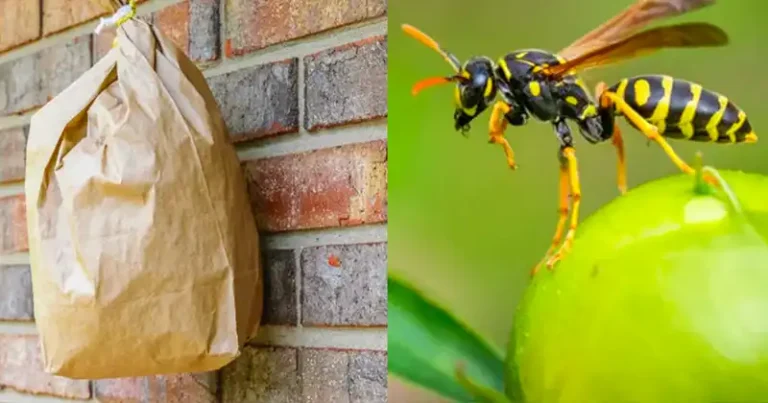
Hang fake wasp nests: Wasps are territorial creatures and will avoid nesting near another colony. Hang fake wasp nests in high-traffic areas of your garden to deter them from building nests nearby.
Remove nests in winter: In social wasp species, all but one queen perishes during the winter. It’s easier to care for a nest when there are fewer aggressive wasps. Wait until winter to remove nests if possible.
Homemade wasp repellent: A blend of peppermint essential oil and a carrier oil (such as olive or liquid coconut oil) can help repel wasps when applied to the skin. A blend of peppermint, clove, lemongrass, and geranium oils, along with a few drops of dish soap, can be used to spray outdoor surfaces.
Use water: Encourage wasps to move without harming them by spraying their nest with a gentle, rain-like spray from a hose. Do this early in the season to minimize the number of wasps you have to deal with.
Relocating the nest: If you’re brave and compassionate, you can move a wasp nest to another location in your garden. It’s advisable to consult a professional for this job. Wait until nighttime when the wasps are asleep, choose a new location, and use a plastic container to transport the nest, making sure the lid stays in place for about an hour before removing it.