
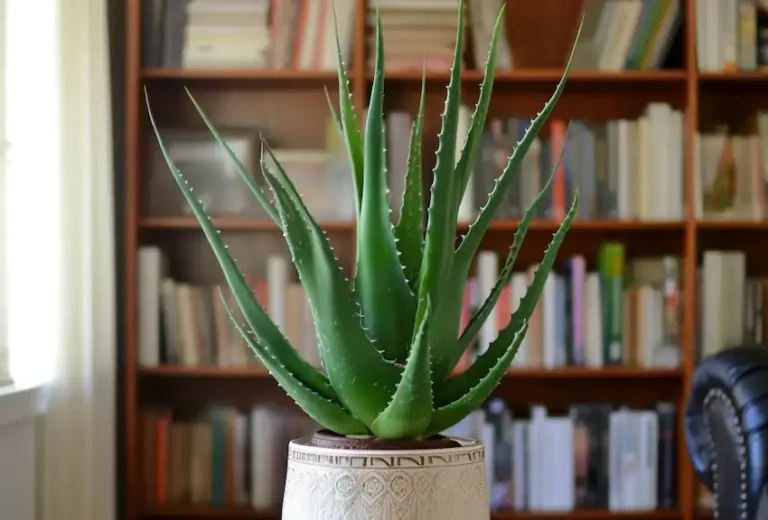
Aloe vera is a popular houseplant known for its medicinal properties and attractive appearance. However, many people make mistakes when caring for their aloe vera plants, which can lead to poor growth, discolored leaves, or even death. In this article, we’ll discuss eight common mistakes you might make with your aloe vera plants and how to avoid them.
aloe vera plant in the living room
- Overwatering
Overwatering Aloe vera plants are succulents that store water in their leaves, making them tolerant of drought conditions. Overwatering is one of the most common mistakes made with aloe vera plants, as it can lead to root rot and other problems. It is essential to allow the soil to dry completely before watering your aloe vera plant. In general, it is best to water aloe vera plants every three to four weeks or when the soil is completely dry. - Underwatering
Underwatering While overwatering can be harmful, underwatering can be just as damaging to aloe vera plants. When aloe vera plants don’t get enough water, their leaves can shrivel or discolor. Be sure to water your aloe vera plant regularly, but don’t overwater. - Using the wrong Aloe vera soil
Using the Wrong Soil Aloe vera plants require well-draining soil to prevent root rot. If you use heavy or clay-based soil, it can retain too much moisture and cause problems for your plant. Instead, use a potting mix specially formulated for cacti and succulents, or make your own by mixing sand, perlite, and peat moss. - Place the plant in low light conditions
Place the plant in low light conditions Aloe vera plants need bright, indirect sunlight to thrive. If you place your plant in a dimly lit area, it may not receive enough light to grow properly and its leaves may become pale or yellowish. Place your aloe vera plant near a window with plenty of sunlight, but avoid direct sunlight, which can burn the leaves. - Not providing enough space
Not Providing Enough Space Aloe vera plants can grow quite large and need plenty of room to spread their roots. If you keep your plant in a small pot, it may become rootbound, which can limit its growth and cause other problems. Make sure you give your aloe vera plant enough room to grow by choosing a pot that is at least two inches wider than the plant’s current pot. - Ignore the parasites
Ignore Pests Aloe vera plants are susceptible to pests like mealybugs, spider mites, and scale insects. If you notice signs of a pest infestation, such as small white or brown bumps on the leaves or stems, take immediate action. Use neem oil or an insecticidal soap spray to kill the pests and isolate the plant from other plants to prevent the infestation from spreading. - Improper fertilization
Do not fertilize. Although aloe vera plants do not require frequent fertilization, they do benefit from occasional feeding. Use a balanced, water-soluble fertilizer every three to four months during the growing season to promote healthy growth and vibrant foliage. - Repotting at the wrong time
Repotting at the Wrong Time Aloe vera plants don’t need to be repotted frequently, but they do require repotting every two to three years to prevent root-related conditions. However, it’s essential to repot your plant at the right time. The best time to repot an aloe vera plant is in spring, just as it begins its active growth phase. Avoid repotting in fall or winter when the plant is dormant, as this can cause stress and damage the roots.
aloe vera gel 1
It may seem intimidating to care for aloe vera at home, but in reality, aloe vera is one of the easiest houseplants to care for . As long as you provide bright sunlight, water when needed, average temperatures in the house, and good soil in a well-draining container, your aloe growing adventure should be a great success.