
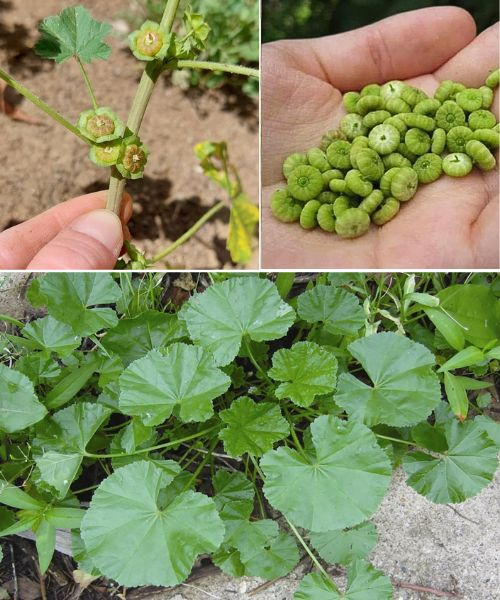
ommon mallow (Malva sylvestris) is often mistaken for a common weed, but it’s far from ordinary. This resilient plant has been used for centuries in traditional medicine, thanks to its healing properties and high nutritional content. With edible leaves, flowers, and roots, common mallow is a true hidden gem in nature’s pharmacy.

Nutritional and Health Benefits
1. Rich in Vitamins and Minerals
Mallow is a natural source of vitamins A, C, and E, as well as minerals like calcium and iron. These nutrients support immune health, promote skin regeneration, and improve overall vitality.
2. Anti-Inflammatory Properties
The plant contains mucilage, which soothes the digestive system and reduces inflammation. Mallow tea is popular for calming sore throats and aiding respiratory health.
3. Skin and Hair Care
Thanks to its emollient qualities, mallow is a valuable ingredient for skin and hair care. Its extract hydrates and nourishes skin, helping with conditions like eczema and acne.
How to Use Common Mallow
- In Salads: Fresh mallow leaves add a nutritious, mild flavor to salads.
- As a Tea: Brewing dried leaves or flowers creates a soothing tea that supports digestion and respiratory health.
- In Skincare: Mallow-infused oils or creams provide gentle hydration and relief for sensitive skin.
Conclusion
Despite its reputation as a weed, common mallow is a treasure trove of benefits. By embracing this humble plant, you can add natural nutrition and healing to your wellness routine.