
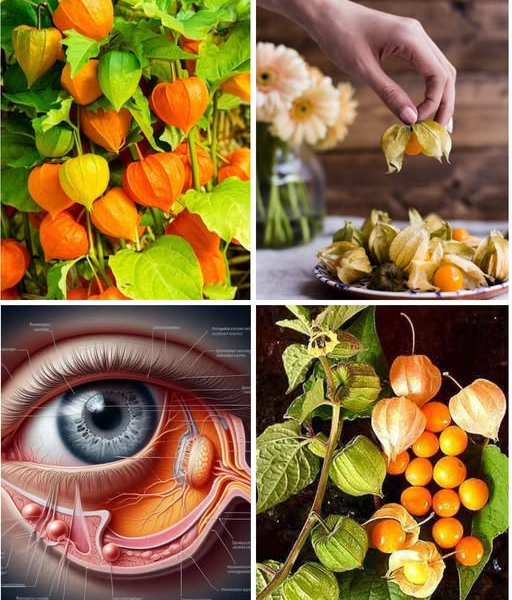
Goldenberries, or Canapum Physalis, might just be the small yet mighty fruit you didn’t know you needed in your garden or on your plate.
Originating in the lush landscapes of South America, this vibrant orange fruit is often nestled within a delicate, papery husk, resembling a tiny lantern.
But don’t let its size fool you, inside this unassuming berry lies a wealth of nutrients that pack a serious punch. With a taste that balances tart and sweet, goldenberries have captivated the culinary and health worlds alike.
Nutritional Profile of Canapum Physalis
Canapum Physalis is a nutritional standout that rivals and often surpasses some of the most popular fruits we know.
For starters, goldenberries boast an impressive content of vitamin C, clocking in at around 10% more than an orange of the same weight. Moving on to vitamin A, goldenberries offer nearly 20% more than carrots, known for their vision benefits.
Goldenberries are also unique in their protein content for a fruit, containing more protein than common fruits like apples or strawberries.
Additionally, this small fruit is packed with minerals like iron, potassium, and phosphorus. The potassium content in goldenberries, for instance, matches that found in bananas.
Health Benefits of Canapum Physalis
Immune System Boost
Thanks to their high vitamin C content, goldenberries help your body stay strong against infections and illnesses.
The high levels of antioxidants work on a cellular level, reducing oxidative stress and inflammation, which is crucial for long-term health.
Digestive Health
Fiber in goldenberries promotes regularity, helps prevent constipation, and feeds the beneficial bacteria in your gut, contributing to a balanced microbiome.