
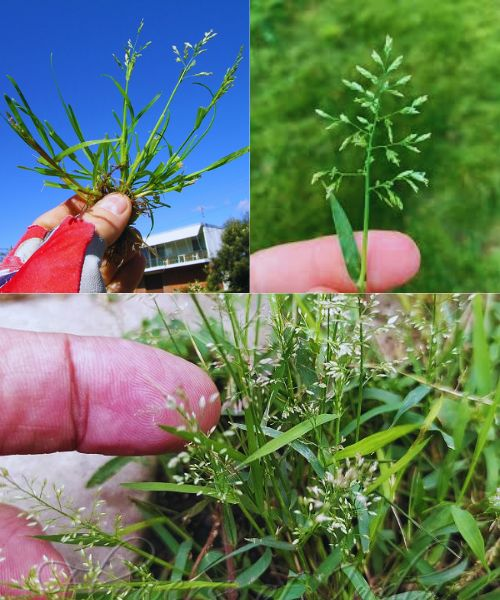
ften dismissed as an intrusive weed, Poa annua, or annual bluegrass, might surprise you with its untapped potential in traditional herbal medicine. Found worldwide in lawns, gardens, and even cracks in sidewalks, this humble grass has long been recognized for its subtle beauty and its health-supporting properties. Let’s dive into what makes Poa annua more than just a pesky plant.

What Is Poa annua?
Poa annua, commonly known as annual bluegrass, is a cool-season grass that thrives in a variety of climates. Its delicate, light-green blades and small seed heads make it easy to identify. Though gardeners often view it as a nuisance due to its rapid growth and tendency to crowd out other plants, Poa annua has a hidden side that’s worth exploring.
In traditional herbal practices, Poa annua has been valued for its calming effects and potential to support overall wellness. While scientific research on its medicinal properties is limited, anecdotal evidence and historical use suggest its potential in holistic health.
Health Benefits of Poa annua
- Calming and Stress-Relief Properties
Poa annua has been traditionally used to promote relaxation and alleviate stress. Herbalists often steep the blades into a tea, believed to have mild sedative effects that help calm the mind and body. - Digestive Support
Infusions made from Poa annua may aid in soothing an upset stomach. Its gentle properties make it a candidate for supporting digestion and reducing bloating. - Anti-Inflammatory Potential
Some traditional remedies incorporate Poa annua extracts to reduce minor skin irritations and swelling. Applying it as a poultice may provide relief for conditions like insect bites or minor rashes. - Diuretic Effects
Like many green plants, Poa annua is believed to have mild diuretic properties. It can help promote kidney function and the removal of excess water from the body, supporting detoxification. - Rich in Nutrients
While not a common dietary ingredient, Poa annua contains trace amounts of beneficial nutrients such as chlorophyll and flavonoids, which contribute to its antioxidant effects.
How to Use Poa annua Safely
While Poa annua offers potential benefits, it’s essential to use it carefully and responsibly:
- Harvesting: Collect Poa annua from areas free of pesticides or pollutants to ensure it’s safe for use.
- Preparation: The most common way to use it is by steeping the blades in hot water to make a mild tea. Always wash the plant thoroughly before preparation.
- Moderation: Start with small amounts to test your body’s response, especially if you’re using it for the first time.
- Consultation: Always consult a healthcare professional before incorporating new plants into your wellness routine, particularly if you’re pregnant, nursing, or on medication.
Other Uses for Poa annua
Beyond its potential as an herbal remedy, Poa annua has several practical applications:
- Compost Ingredient: When removed from lawns, it makes an excellent addition to compost, enriching the soil with organic matter.
- Erosion Control: Its extensive root system helps stabilize loose soil, making it useful for preventing erosion in certain landscapes.
- Foraging Interest: Poa annua attracts pollinators and can serve as a food source for certain animals.
Why Rethink Poa annua?
While often seen as an unwanted weed, Poa annua holds promise as a versatile and beneficial plant. Its calming properties, digestive support, and anti-inflammatory potential are just the beginning of its possible contributions to health and wellness. By embracing the hidden qualities of plants like Poa annua, we can uncover natural remedies right in our backyards.
So the next time you see this unassuming grass growing in your garden, consider giving it a second chance—it might just surprise you!
Conclusion
Poa annua may not be a staple in modern herbal medicine, but its traditional uses and potential benefits highlight the importance of looking beyond appearances. Whether you’re seeking a natural way to calm your nerves, support digestion, or add nutrients to your routine, this common weed could play a role in holistic wellness.
By rediscovering the value of plants like Poa annua, we not only enhance our health but also gain a deeper appreciation for the overlooked gifts of nature.