
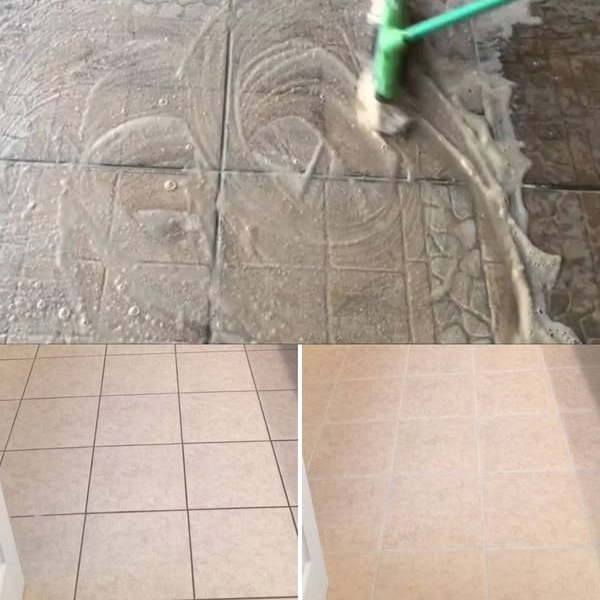
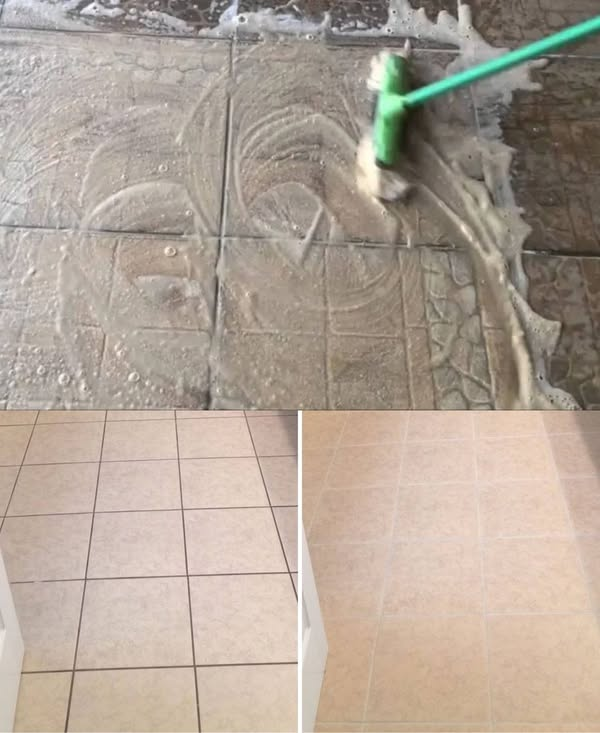
Tile grout is often exposed to moisture and all kinds of splashes, whether in the kitchen or bathroom, and tends to get dirty, blackened and deteriorate over time. Natural alternatives allow you to easily restore the shine of your tile grout. We’ll tell you all about it.
What makes tile grout dirty?
Over time, tiles can deteriorate, especially at the joints. Dust, stagnant water and other liquids penetrate them, encouraging the proliferation of bacteria and the development of mould. If not cleaned properly, they can turn black and deteriorate quickly.
How to clean dirty tile grout without scrubbing?
Did you know? It is entirely possible to clean tile grout without spending hours scrubbing! Sometimes you just need to surround yourself with the right ingredients to give them a good clean. Healthy and ecological products manage to eliminate embedded dirt and neutralize the proliferation of bacteria in the joints. We explain the procedure to follow:
Using a broom or vacuum cleaner, clean the surface of the tiles.
Dip a mop in hot water and wipe the tile surface with it to remove any remaining dust and dirt.
Then prepare your own homemade product. To do this you will need the following ingredients:
8 tablespoons of baking soda
4 tablespoons of hydrogen peroxide
1 teaspoon dishwashing liquid
In a bowl, mix the baking soda and hydrogen peroxide until you obtain a paste.
Then add the dishwashing liquid and apply the mixture to the joints.
Caution
Test the mixture on a small area of the tiles. Some materials may discolour when they come into contact with the above products. If you don’t notice anything unusual, continue cleaning.
Let the cleaning paste sit for 5 to 10 minutes.
Then use a sponge, toothbrush or even a damp towel to clean the surface. Repeat this operation if necessary.
Let it air dry!
And there you have it, your tile grout is spotlessly clean! You’re probably wondering what makes this solution so effective. This is the cleaning action of these different products. On the one hand, baking soda can penetrate the porous surface of grout and remove stains without being too abrasive. Hydrogen peroxide is a good alternative to bleach. It allows you to whiten and thoroughly clean these types of surfaces. And with a little touch of dishwashing liquid, you’ll be able to more easily remove grease stains and dirt from grout, whether on tiles or tiles!
What other eco-friendly cleaning product should you choose for tile grout?
When it comes to cleaning tile grout, there are a number of household products you can use. But there are other, gentler, more natural options for your tiles that are just as effective:
White vinegar:
At the top of the list, white vinegar is the household ally that we cannot do without. Thanks to its high acetic acid content, it is often used for its cleaning and disinfecting properties.
Bicarbonate:
This multi-purpose, slightly abrasive product is highly effective at removing stains from sanitary fixtures and embedded dirt.
Sodium percarbonate:
A cousin of baking soda, sodium percarbonate is an excellent cleaner and whitener capable of removing deep dirt and eliminating microorganisms and bacteria from the surface.
Lemon juice:
If you’re looking for a good cleaner, you need lemon juice, which is rich in citric acid. It acts as an excellent stain remover and bleach. And it smells good too!
Hydrogen peroxide:
With its antibacterial and antifungal properties, it quickly removes dirt from joints and surfaces in your kitchen and damp rooms such as the bathroom, with optimal results.
How to keep tile joints clean?
As you may have understood, the best way to keep the tile joints always clean and healthy is to avoid the accumulation of dirt on a daily basis. But how to do it? Here are some good reflexes to adopt at home:
Place a mat at the entrance to clean the soles of your shoes.
Clean the paws of pets that may track dirt in from outside.
Clean the joints with a little hydrogen peroxide every 3 days or once a week to prevent mold from appearing. This regular maintenance will leave your joints clean.
Ventilate the bathroom and kitchen regularly to release water vapours and allow the tiles to dry. This will prevent mould from building up in the grout over time.
Opt for at least weekly cleaning to keep the floor in perfect condition. This should also include cleaning any taps that drip into the grout and leave stubborn stains.
seal the joints
To make them last longer, it is necessary to protect the joints from excess moisture. To do this, we carefully apply silicone sealant or putty directly onto the joints. A procedure that must be carried out in harmony with the finish of the tiles. Follow the leader!
Choose a product that is suitable for your tiles. Some sealers only work with one type of tile grout.
Clean grout and tiles using the method above. Apply a solution of water and vinegar to the grout for a flawless finish.
Apply the putty in a complete line with a sponge or brush.
Be sure to cover the joints well to create a waterproof barrier.
Allow to dry for 10 minutes and then wipe the surface with a dry cloth.
Apply a second coat to achieve the desired result.
Allow the sealant to dry, avoiding walking on it or using the shower. This can take up to 48 hours, depending on the product.
And there you have it, the joints are perfectly resistant to moisture and mould! Don’t hesitate to ask before purchasing your sealant. Some are more durable than others and are less likely to crack.
Frequently Asked Questions
How to whiten blackened tile grout in bathroom and shower?
Several ingredients can help you whiten tile grout, such as vinegar and baking soda. But you can also use toothpaste, clay stone or black soap. With its composition of linseed oil, olive oil and potash, the latter acts as an excellent cleaner and detergent. Simply dilute a cap in a litre of hot water and then scrub with a toothbrush. Guaranteed effect.
How to clean bathroom tile grout and leave it clean?
A solution of water with vinegar and a few drops of dishwashing liquid is enough to make bathroom tiles clean and shiny. Mix the two ingredients and scrub with an abrasive sponge and then wipe with a cloth soaked in clean water. Coarse salt is also a good alternative to remove dirt from tile joints in the corners of walls. Your tiles will look like new with these good natural products!
How long should you wait before re-grouting floor tiles?
If you want to redo the tile grout, do this after one year on surfaces in the house that are frequently used by family members.