
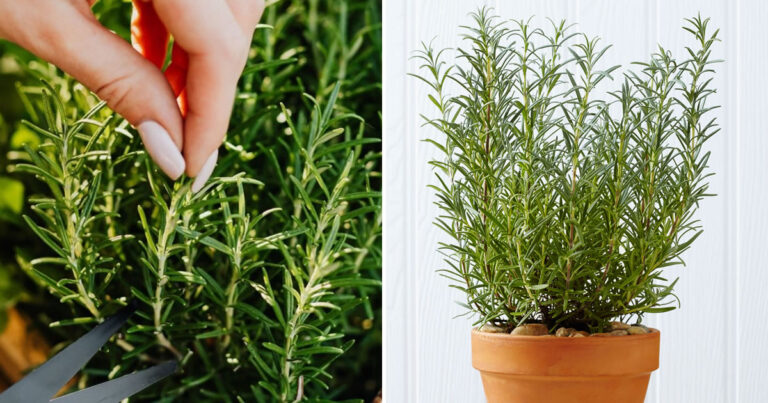
You will surely have bought beautiful rosemary plants , bring them home and see how over the days they first lose vigor and then dry out completely , especially if kept indoors. Although it is a very resistant plant, rosemary needs specific care to become lush and abundant. From the location of the seedling to the frequency of watering, we list all the reasons why rosemary plants dry out . Rosemary is a Mediterranean plant that tolerates direct exposure to sun and heat, as well as long periods of drought and even extreme cold. However, if kept indoors, rosemary tends to weaken. If possible, always keep your rosemary plants on the balcony. Below we list the main reasons why rosemary plants dry out . A common mistake among beginners is to create attractive plant groups by mixing rosemary with other plants such as mint. The result is a planter that must be watered frequently, exposing the rosemary to the risk of rotting or turning brown. Rosemary needs water, but not as much as other aromatic plants. Ideally, water every four days in summer, and every ten in winter. It does not tolerate stagnant water, and for this reason, it is necessary to ensure that the pot is well drained with gravel. Another common reason for a rosemary plant to wilt is the lack of sunlight. Rosemary needs direct sunlight, which will ensure that the plant blooms. Rosemary should be placed on the balcony or near a window exposed to the sun’s rays. Remember to prune rosemary periodically, even if you are not required to use it. This operation will ensure healthier and more abundant growth of the plant. Also keep in mind that rosemary plants, like all other plants, suffer from sudden changes in temperature. If you bought the seedling at the supermarket, be sure to expose it gradually to the new environment.