
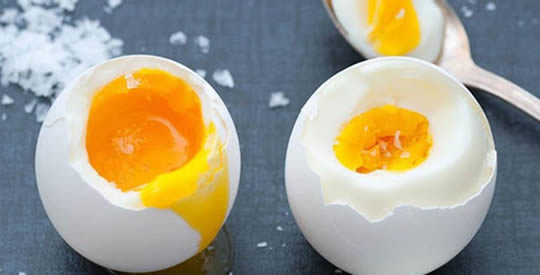
on Eggs: properties and myths
Eggs are probably the food about which the most myths and legends circulate. Accused until a few years ago of raising cholesterol levels, they have recently enjoyed a reputation as a low-calorie, high-protein food. In this article, we list the myths and benefits of eggs .
The egg is an essential food in Mediterranean cuisine, but not only that. It has accompanied man throughout his evolution and has been the subject of studies in various universities and research institutes around the world, which have confirmed and debunked its truths and myths.
Cholesterol. Eggs contain cholesterol, and excessive consumption has been discouraged for decades. In reality, while they do contain cholesterol (no more than other foods we eat without problems), they contain negligible amounts. If you have high cholesterol, you should not eat more than 3 eggs per week.
Recent studies have confirmed that the presence of vitamins and antioxidants in eggs makes them ideal for preventing diseases such as atherosclerosis. Yes, you should talk to your doctor before increasing your intake.
Do eggs make you fat? This is another of the most common myths about eggs, probably born alongside the cholesterol myth. In reality, eggs don’t make you fat: they contain few calories and a lot of protein, and are a staple food for those looking to lose weight or exercise.
In any case, you also have to consider how it’s prepared: a fried egg is certainly not a diet food.
They must be washed. It is not recommended to wash eggs before cooking or storing them in the refrigerator. Eggshells are porous, which allows some particles to penetrate inside. Washing eggs further weakens the shell. Simply wipe the eggs with a cloth.