
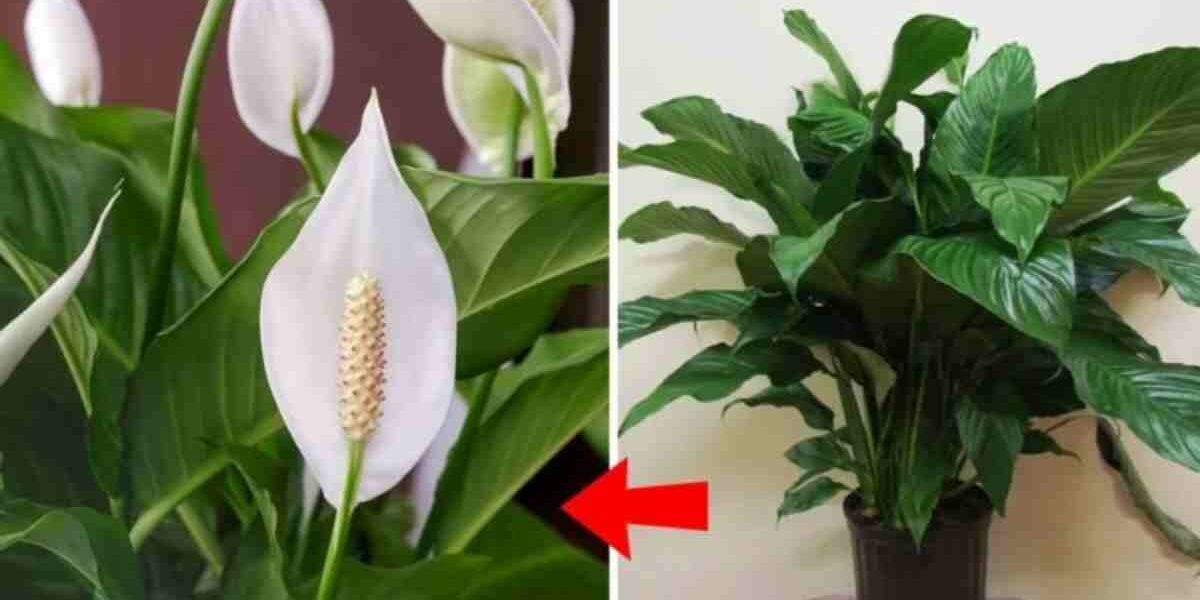
vibrancy to your homes. If you want it to last a long time and bloom all year round, you need to take care of it, and we’ll explain the steps below. This plant adapts well to indoor spaces, requires very little maintenance, and is comfortable in shaded or partially shaded corners. But like all plants, it needs light to grow well.
The ideal temperature for Spathiphyllum is 20°C to 23°C, never below 18°C, so if you decide to place it on the balcony, it’s a good idea to put it there in winter. Another advantage of this plant, native to the tropical forests of South America, is that it can be grown in water. In this case, it is very important to keep the water clean and change it once a week. One of the most striking features of Spathiphyllum is its distinctive white flowers.
It typically blooms from March to September, but can bloom year-round and for longer periods. Watering, light exposure, and the choice of potting soil and planting container are the keys to making spathiphyllum bloom more often.
The following tips will help you care for your spathiphyllum so that it blooms all year round.
Light Exposure : Although it’s a shade-loving indoor plant, the spathiphyllum needs plenty of indirect light. Place it in a well-lit room, but keep it away from direct sunlight. Lack of light won’t kill the plant, but it will prevent it from flowering.
Watering : This is one of the most common mistakes when caring for houseplants. Spathiphyllums require constant moisture. However, watering needs vary depending on the season. They should be watered frequently in spring and summer to keep the soil constantly moist. During the colder months, the amount of water should be reduced, and the spathiphyllum should only be watered when the soil is dry.
Transplanting Spathiphyllum : This plant should be replanted every 2 years, preferably in spring. You can use this time to propagate spathiphyllum by dividing 3 or more leaves, taking great care not to damage the roots.
Leaf Cleaning : Spathiphyllum leaves should be cleaned regularly to prevent dirt and other debris from blocking their stomata and affecting photosynthesis. Remember that spathiphyllum is toxic if ingested, so keep it out of reach of young children and pets.