
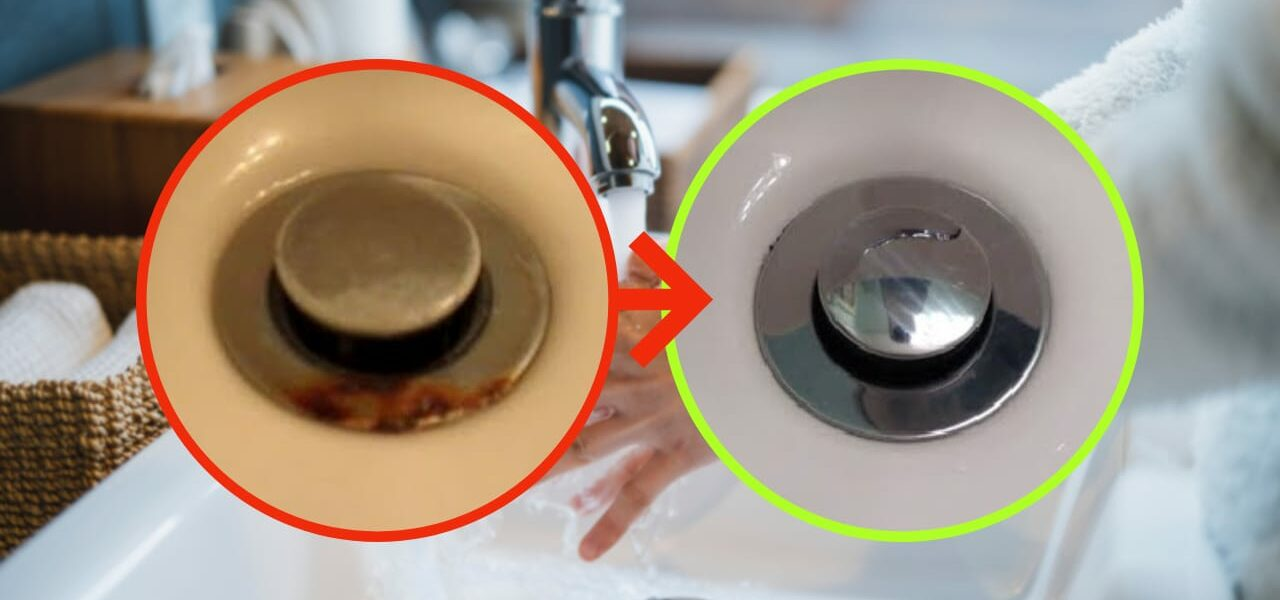
If your sink is rusty, here’s how to restore it to its former glory with this miraculous and truly inexpensive solution.
We offer an effective and inexpensive method to refurbish your sink. You won’t have to spend a mountain of money anymore.
Rusty sink, here are the causes
The sink is one of the most important parts of the modern home. It’s used every day to wash hands, face, teeth, and even dishes. But if your sink starts to rust, you may wonder why this is happening. In this article, we’ll explore the possible causes of rust in sinks.
Rust is caused by the oxidation of iron in metals. When oxygen comes into contact with iron, a chemical reaction occurs that produces rust. Therefore, if your sink is made of metal, such as stainless steel or iron, it can rust if not properly maintained.
There are several reasons why a sink can rust. One of the most common is exposure to water. Water has the power to activate the chemical reaction that leads to rust, especially if it contains a high amount of chlorine or mineral salts. Additionally, if the sink is not dried after use, standing water can cause rust.
Another common cause of rust in sinks is cleaning with harsh chemicals. Some cleaning products contain acids that can damage the sink’s protective coating and cause rust. Additionally, using abrasive sponges or rough cloths can scratch the surface of the bowl, making it more vulnerable to rust.
Lavandino arrugginito
Lack of maintenance can also lead to sink rust. If not cleaned regularly, the sink can accumulate limescale or other mineral deposits that can damage the surface. Additionally, if the sink has cracks or dents, dirt and moisture can accumulate, creating an environment conducive to rust.
The quality of the metal used in the sink can affect rust formation. Some materials are more resistant to corrosion, while others are more vulnerable. For example, stainless steel is known for its rust resistance, but if the sink is made of poor-quality steel, it can rust more easily.
Rust in sinks is caused by the chemical reaction between oxygen and iron in metals. Exposure to water, cleaning with harsh chemicals, lack of maintenance, and the quality of the metal used can all influence rust formation.
To prevent rust in sinks, it is important to clean them regularly with mild detergents and dry them after use. Additionally, choosing a high-quality, corrosion-resistant sink can help prevent rust from forming.
How to permanently solve the problem
A rusty sink can give your bathroom or kitchen an unwelcoming appearance. Additionally, rust can damage the sink’s surface and shorten its lifespan.
If your sink is rusty, there’s no need to replace it immediately. Today, however, we’ll show you how to make a rusty sink look new again using a few cleaning products and the right cleaning method.
To clean your rusty sink, you’ll need hot water, baking soda, white vinegar, salt, lemon juice, and a soft cloth. Mix the baking soda and hot water to create a paste. This paste will help remove rust and stains from the sink.
Take a little baking soda paste and apply it to the rusty parts of the sink. Let the paste sit for about 10 to 15 minutes to allow the baking soda to work its magic.
Lavender with spice
Using a soft cloth, remove the baking soda paste from the sink and rinse with hot water. To remove stubborn rust, make a solution of white vinegar and salt. Mix equal parts white vinegar and salt until the salt is completely dissolved in the vinegar. Dip a soft cloth into the acidic solution and gently wipe the rusty sink.
Cut a lemon in half and rub the sink surface with half of the lemon. Lemon has disinfectant properties and helps remove stains and rust from the sink. Rinse the sink with hot water and dry it with a soft cloth to prevent rust from forming again.
Restoring a rusty sink to a new look requires only a few materials and the right cleaning method. Baking soda and white vinegar can be used to remove rust and stains from the sink, while lemon helps disinfect and remove stains. With a little patience and care, you can make your sink look like new again without having to replace it.