
Spaghetti, penne, fusilli, macaroni… Who doesn’t love eating delicious Italian pasta? It’s one of the most popular dishes worldwide. As a bonus, it’s easy, inexpensive, and quick to prepare. You don’t need to be an experienced cook to make it. And yet, don’t be fooled, behind the ease sometimes lie a few little pitfalls that can complicate things. Unexpectedly, even when preparing simple pasta, you can make a few cooking mistakes. Not to mention those stubborn cooking habits. Do you always add a little oil to the pan? Why?
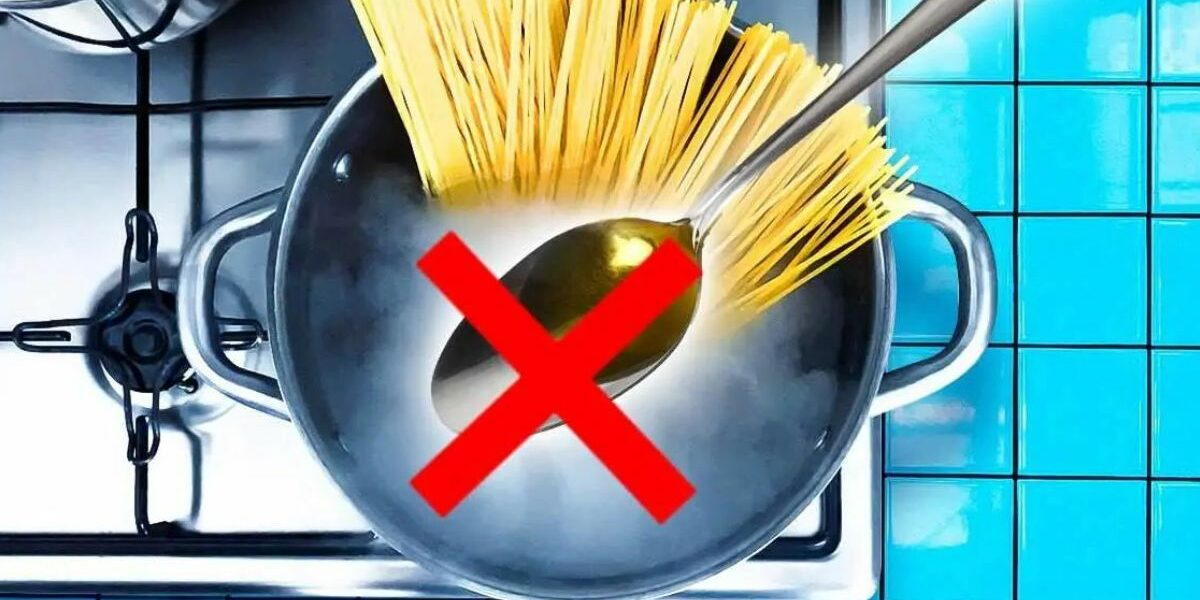
Cooking a good plate of pasta may seem completely trivial and trivial. That doesn’t stop some people from ending up with sticky, floury, or, on the contrary, overly tough pasta. Yes, it sometimes takes skill and technique to successfully cook al dente. Generally, we’re convinced that you should add a few drops of oil to the cooking water so that our pasta doesn’t stick to the bottom of the pan. Today’s scoop: it’s completely unnecessary, because it changes absolutely nothing. And for good reason: as you’ll certainly notice every time, the oil sits on the surface of the water and therefore doesn’t come into contact with your spaghetti. We’ll tell you more.
Adding oil to pasta cooking water: good or bad idea?
- Pasta in boiling water:
Contrary to popular belief, there’s no need to add oil to your pasta cooking water. It would be a complete waste, so save the oil from now on. If you don’t want your pasta to stick to the pan, simply cook it in plenty of salted water: 1 liter of water and about 2g of salt per 100g of dry pasta.
Using olive oil only really becomes interesting once your pasta is cooked and tossed in the sauce. This drizzle of oil imparts delicious flavors to the whole dish, making the sauce a perfect match for spaghetti or penne.
A common mistake you should never make again: pouring pasta cooking water down the sink. Know that this water, nicknamed “liquid gold” by culinary experts, is very useful for enhancing your sauce. In fact, this liquid is exactly what you need for emulsifying, which results in a silky, smooth sauce with the perfect consistency.
Quick tip: To prevent pasta from sticking to the pan, always make sure to cook for the specified time. If you simmer pasta for longer than directed, the starch it contains can release a large amount of amylose. This is a very sticky substance that clumps the pasta together during cooking.
- Pay attention to the cooking time
If the package says 10 minutes for cooking, look no further. It’s always a good idea to follow these instructions carefully to ensure your pasta is a success. Then, drain it well and set aside the cooking water to mix with the sauce.
- Remove the cover
Use the lid to cover the pot only until the water is boiling. Then, once you’ve added the pasta, don’t cover it.
Five tips for cooking your pasta better
- Use a large pot. As pasta cooks and expands, it will inevitably become soggy and sticky if there isn’t enough water, so it’s always best to aim for plenty of water!
- Before bringing it to a boil, pour cold water into the pan without oil. Add salt only when the water begins to boil.
- Some experts recommend removing the pasta four minutes earlier than indicated on the package so that it’s ready to cook as soon as it’s mixed with the sauce. It will then be perfectly al dente.
- Another bad habit to break: never pour cold water over cooked and drained pasta! Rinsing it risks disrupting the action of the starch, which helps the sauce adhere better.
- Avoid pouring the cooking water down the sink. While its white, pasty appearance may not inspire much confidence, it is, as mentioned above, an essential liquid for enhancing the sauce. The released starch is an emulsifier and thickener. By retaining this water and adding it to the sauce, the liquids and oils are blended together, promoting a thick, creamy texture.