
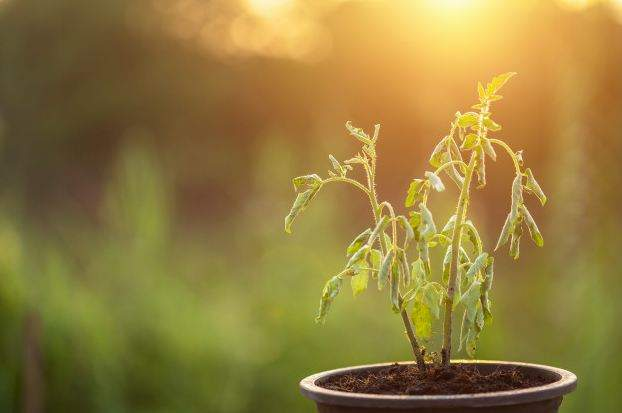
Whether you have a green thumb or not, sometimes due to certain circumstances, you end up with a wilted plant that you think is a lost cause. You feel like it’s dead and there’s no other solution but to throw it in the trash. However, this isn’t always the case! Your plant may be on the brink of collapse, but you can try to save it ! How? Read on for our tips !
Check whether the condition of the plant can be remedied or not:
Before starting the ” plant rescue ” operation, you must first check whether saving the plant is really possible, which is why it is important to look for signs of life in the plant . Here is what you should observe:
- If there are buds and green leaves , there is hope! You can start by checking the condition of the buds! If they are dry and disintegrate when touched, the plant is in very poor condition, but if there are still some young buds , you can still save your plant .
- If the stem of the plant is green under the dried surface , it means that the condition of the plant is remediable . On the other hand, if the stem is completely dried out and breaks easily, it is indeed dead . The bark of a living plant is flexible and bends easily!
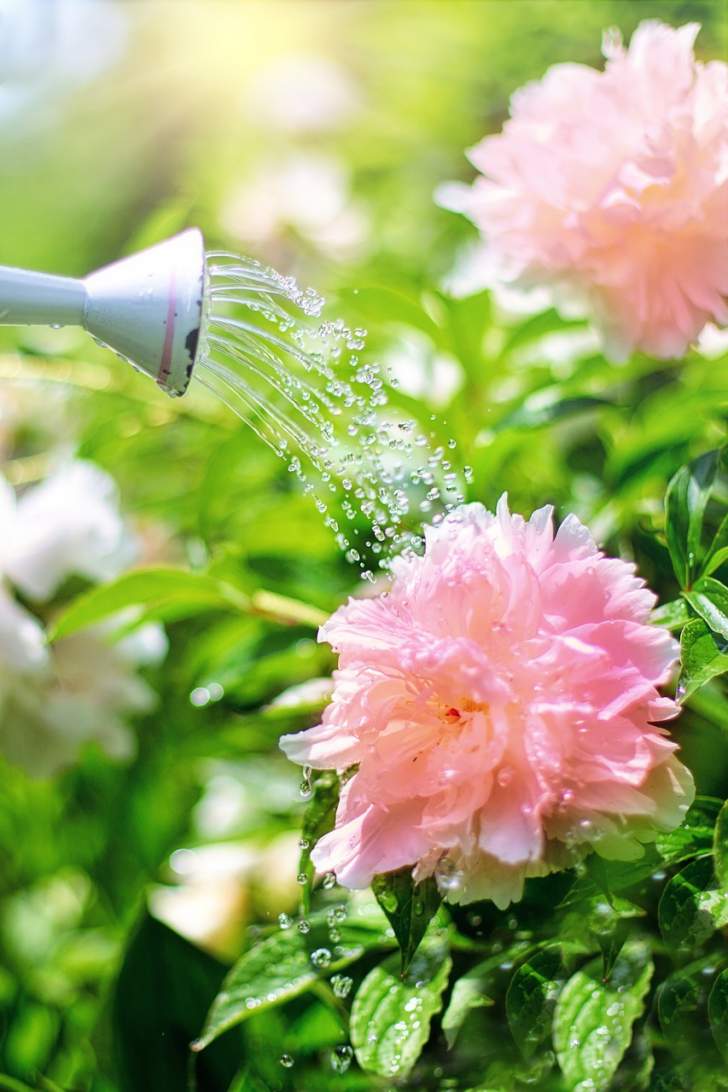
Make sure you use the recommended type of watering:
It is possible that one of the reasons for the death of your plant is watering that is not adapted to its water needs.
- If you’ve overwatered your plant, you’ll need to replant it in a pot with dry soil and good drainage . This should be done gently. You can let your plant dry out before repotting it.
- If you have neglected your plant and it is in critical condition, you will need to immerse the pot in water to revitalize it. If the soil is dry , you will need to change the pot and add moist soil to help your plant . If you want to revive yellowed leaves , simply irrigate the plant with a mixture of cider vinegar and water once a week (4 tablespoons of vinegar for two liters of water).
Give him nutrients at the right time:
Feeding your nearly dead plant nutrients isn’t the miracle solution you might think. In fact, it can be very harmful to your plant. The high dose of nutrients in fertilizers and fertilizers could destroy the roots of your already fragile plant.
However, if your plant is suffering from a clear lack of growth or discolored foliage, then you can opt for a fertilizer that matches its needs and the right time for it.

Check its light requirements:
Sunbathing needs vary from one species to another. Furthermore, even a slight variation in light is enough for your plant to feel the effects. For example, if your plant has brown or white spots , it means it is getting too much light and is being harmed. Therefore, it is important to find out about your plant ‘s sunlight needs to know where to place it.
If your plant cannot be saved despite your attempts , you can turn it into nutrient- rich compost for other plants in your home.