
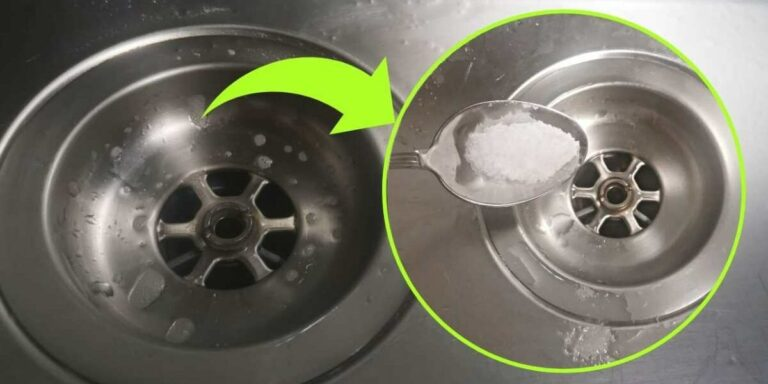
Clogged sinks cause a lot of inconvenience and can be caused by several things . With this natural method, you won’t need to call a plumber to fix the problem in just a few minutes.
Everyone has experienced a clogged sink at least once in their life. Between the discomfort and the smell, in most cases, you end up calling the plumber and paying a hefty bill. Can it be avoided? There’s a DIY trick that can fix the problem, and anyone can do it, even those with little experience.
What causes the sink to clog?
Every time the sink drain stops working, it backs up and the dirty water stays in. The drain smells unpleasant, and there’s no way to use it again.
What do you do in this case? The plumber was called to quickly resolve the problem. Before discussing which natural remedies to use to resolve the problem and avoid paying plumber bills, except in very serious cases, it is essential to know the cause of the blockage.
In most cases, these were:
Limescale accumulation
Food hoarding
The accumulation of hair and fur created a tumor that blocked the tube
A combination of detergents, soaps and chemicals created a mass, clogging the drain
Different types of objects (and in this case we need the intervention of an expert)
Dirt builds up over time.
Once the cause is identified, you can act accordingly, thanks to a tip that we will reveal to you.
Sink Clog, Natural Tips to Unclog
——-
If your home’s drains are clogged with standing water, food, or other debris, not only will they clog, but they’ll also produce an unpleasant odor. To help dissolve this debris and restore free drainage, there are three natural ingredients with corrosive and irritating effects.
The first ingredient is sodium carbonate, which is cheap and easy to find. It is white and rough. It is used instead of sodium bicarbonate because it is more corrosive due to its high alkali content. It acts directly as a deodorant, degreaser, and disinfectant.
This ingredient is associated with wine vinegar, similar to white wine vinegar, and is a solution resulting from the fermentation of sugars. Its main benefit is its ability to descale, as well as remove limescale and pipe cleaners. For both types mentioned above, hot water is added to stimulate the reaction of the components and wash away any residue to clean the pipes.
The dosages required for an average sized fill are:
Sodium carbonate
tablespoons
Half a glass of vinegar
1 liter of hot water
If the blockage is critical (always check the cause first), the amount increases:
Sodium carbonate 6 tablespoons
1 glass of wine vinegar
Hot water 1.5 liters as quickly as possible
Add pure vinegar and let stand for 5 minutes
Pouring hot water – never boiling – will stimulate this process and keep the pipes clean.