
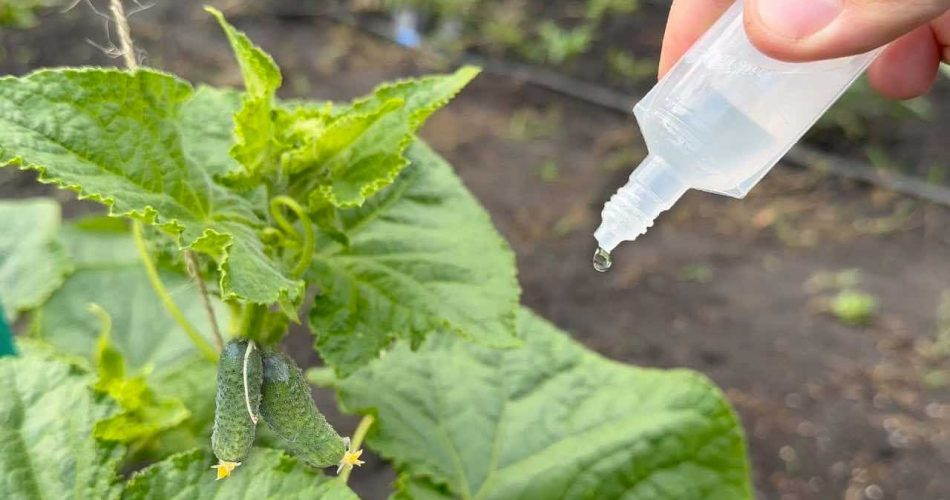
Have you ever dreamed of having a lush vegetable garden filled with fresh, flavorful vegetables? Are you tired of the bland produce you find at the supermarket? Then it’s time to discover the secrets of growing vegetables. Add a few drops of this mixture and you’ll get a bountiful harvest. In this article, I’ll show you how to achieve a good harvest, what care and techniques to use, and how to avoid using toxic pesticides. Get ready to wow everyone with an abundance of crisp cucumbers, juicy tomatoes, and colorful peppers.
Are you ready to dive into the wonderful world of growing vegetables? The good news is that you don’t need a large outdoor space to get started. Even a small balcony or sunny window can become your personal green space. Growing vegetables gives you access to fresh, nutritious vegetables right in your own home. You can be sure of their quality without having to worry about pesticides and chemicals contaminating them.
One of the secrets to growing a good harvest is choosing the right season to plant your favorite vegetables. Each species has its own climate preferences, so be sure to do some research beforehand. For example, tomatoes love the summer heat, while other vegetables thrive in the cooler temperatures of fall. In addition to choosing the right time , providing your plants with the necessary care is essential to ensure they grow healthy and lush. Make sure you water your plants regularly and provide them with plenty of sunlight during the day.
However, this doesn’t mean you have to resort to harmful chemicals. There are several natural remedies that can help you control unwanted pests and insects . A simple solution made in a few minutes can work wonders. But remember to use it, just put a few drops on your plants and you will also get a good harvest.
How to get a good harvest: care and techniques
To achieve a good vegetable harvest, it is essential to take care of the plants and use the right growing techniques . But what are the secrets to achieving an abundant production? Let’s find out together.
How to get a good harvest
First of all, it’s important to know the right time to grow vegetables. Each plant has its own climate and seasonal preferences, so make sure you plant or transplant at the right time . This way, you’ll give your plants the best opportunity to thrive.
After planting seeds or transplanting seedlings, pay attention to their daily care . Make sure they receive enough water without flooding and keep the soil well-drained to avoid waterlogging. Also, remember to provide the plants with sufficient sunlight and protect them from harsh weather.
Another crucial aspect in vegetable growing is the use of pesticides . Many chemicals can be harmful to the environment and human health, so always look for natural and eco-friendly alternatives . There are several home remedies made with ingredients like vinegar, baking soda, or vegetable oil that can help you fight common pests without harming the surrounding ecosystem. But now, let’s find out how to get a good harvest if you add a few drops of this product. Let’s find out what it is and how to prepare it in a few minutes.
They will grow abundantly, put a few drops of this mixture
Do you want to enjoy a bountiful and lush harvest in your garden? Then let me tell you a little secret: with a simple technique, your cucumbers, tomatoes, and peppers will grow wonderfully . Simply add a few drops of nitrogen when growing vegetables. This essential element promotes plant growth and stimulates the development of flowers and fruits. Isn’t it amazing how something so simple can make a difference?
Put a few drops on the cucumbers
But that’s not all. To protect your precious seedlings from annoying pests, you can use a natural solution, which is also very easy to prepare in no time. Ideal for keeping whiteflies , aphids, and other unwanted insects away. The beauty of this technique is that it doesn’t require the use of chemical pesticides that are harmful to you and the environment. You can achieve a healthy and ecological harvest without compromising your health or that of your family.
When it comes to growing vegetables, it’s also important to consider the right time of year. Each plant has its own seasonal preferences, so always make sure you plant or transplant at the optimal time. Don’t forget the necessary care to keep your plants in tip-top condition. Water regularly, remove unwanted weeds, and give them the nutrition they need.
Add a few drops of nitrogen to your seedlings
If you’ve ever tried growing vegetables in your garden, you know how important it is to provide plants with the nutrients they need to grow abundantly and healthily. One of these essential nutrients is nitrogen, which can make all the difference in crop production.
A few drops are enough for an abundant harvest
Here’s how to prepare it: you need 10 liters of water and add two teaspoons of 10% ammonia nitrogen, 25/30 drops. Then add citric acid, this serves to accelerate absorption ( 1 tablespoon/10-15 grams ), all you have to do is mix everything and water around your cucumbers , tomatoes and peppers and you will be surprised by the results. Nitrogen is a key element for plant growth and is responsible for the development of lush green leaves and fruit production.
When it comes to growing vegetables, using nitrogen can make all the difference. It’s important to choose the right time to apply it to the soil, either during the early stages of plant growth or when the plants are already well established in the soil .
Remember that more is not always better when it comes to nitrogen application . A few drops can be enough to ensure good nutrition for your plants without overloading the soil with too much nitrogen.
Remember that using chemical pesticides can harm both your plants and the environment around them. If you want to protect your vegetables from unwanted pests naturally, you can use a simple solution in water. A few drops of this mixture are enough to keep harmful insects away. Let’s find out.
Solution against parasites: ammonia and soap, a few drops are enough
So, we’ve talked about an effective method for growing a rich and abundant crop of cucumbers, tomatoes, and peppers. By following these simple care techniques and using natural products like nitrogen and ammonia, you can achieve this. Now let’s see how to prepare a mixture to combat plant pests.
Add a few drops of natural pesticide with liquid soap
Still using a quantity of 10 liters of water , add 2 teaspoons of ammonia always at 10% and two tablespoons of liquid soap. All you have to do is mix everything and put it in a spray bottle and use it directly on your plants. In this way, you will be able to protect them from pests without having to use chemical pesticides harmful to human health and the environment.
Always remember to take the time to care for your plants, observe them carefully, and act quickly if you notice signs of disease or pest attacks . Growing vegetables is a rewarding process that requires patience, but the results are definitely worth it.
Experiment with this technique during your next vegetable growing season and enjoy the fruits of your hard work . You’ll see how the magic drops will make your crisp cucumbers, juicy tomatoes, and flavorful peppers grow abundantly. Good luck on your vegetable growing adventure.
This is why avoid using chemical pesticides
Pesticides are chemicals used to protect agricultural crops from pests , weeds, and diseases. While they may seem like a quick and effective solution to ensure abundant food production, in reality, pesticides have negative consequences for both the environment and human health.
The use of pesticides in the food chain
From an environmental perspective, the use of pesticides has serious consequences . These chemicals can contaminate soil and water, damage natural ecosystems, and reduce biodiversity. They can persist in the environment for a long time, accumulate in the tissues of living organisms, and even reach the human food chain .
But it’s not just the environment that suffers; human health is also endangered by pesticide exposure. Numerous scientific studies have shown a correlation between the intensive use of these chemicals and health problems such as neurological diseases, endocrine disorders, and even certain types of cancer. Furthermore, pesticide exposure is linked to a number of health problems, including neurological diseases ( such as Parkinson’s disease ) and fertility problems. The long-term effects of pesticides on our own health are still being studied and worried about.
It’s important to remember that there are safer, greener alternatives to using chemical pesticides . For example, organic farming relies on natural methods to combat pests without poisoning the environment or threatening our health. By avoiding the use of pesticides, we’re doing both the environment and our own health a favor . Choose more sustainable alternatives and invest in ecological farming practices.