
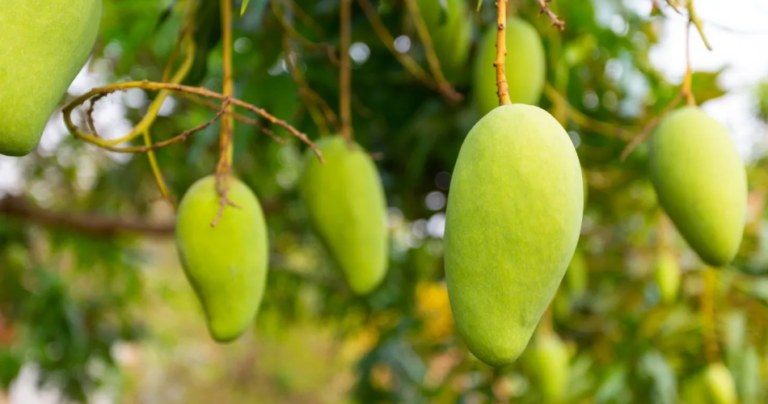
Spring is approaching and we are starting to see delicious headlines in the markets, this delicious fruit with many varieties provides us with vitamins A, C and E, flavonoids, beta-carotene and minerals such as calcium, iron, magnesium and potassium, if you can. To resist its incredible flavor and benefits, today we will explain how to germinate and plant a mango bone in a pot .
Mangoes are one of the most nutritious fruits , as well as being very versatile, as they can be eaten with chili, in water, in salads and even in popsicles, not to mention their rich aroma. In addition, this plant will decorate your home in a different and original way.
plant a mango bone
How to Germinate and Plant a Potted Mango Bone
To germinate
Step by step:
The first thing we need to do is germinate it, because the real seed is protected by the bone, which is what we normally see.
Insert the tip of a knife into the widest part of the bone or shell
Open slowly and very carefully with upward movements
Be careful not to cut yourself or damage the seed inside.
Remove the seed and place it on towels or paper towels
Wrap the seed in these napkins or paper towels
Place it in a container of its size and moisten the paper with water until it can no longer absorb it.
Removes excess water
Place the container with the seeds in a warm place in the house
Wet the paper after each drying, but without stagnation
Wait two weeks, your seed should have given its first root
When the root is longer than half the seed, it is time to plant it
For planting
Step by step:
You need a pot about 30 cm deep with substrate and worm castings
Using a thin stick or pencil, make a hole in the center of the macerate along the entire length of the root of the handle.
Place the seed in the hole you made
Cover the root completely with soil, it doesn’t matter if the seed is not completely covered
Watering without flooding
Place your pot where it receives direct light
You should keep the soil moist, but not waterlogged, and you can fertilize once a month.