
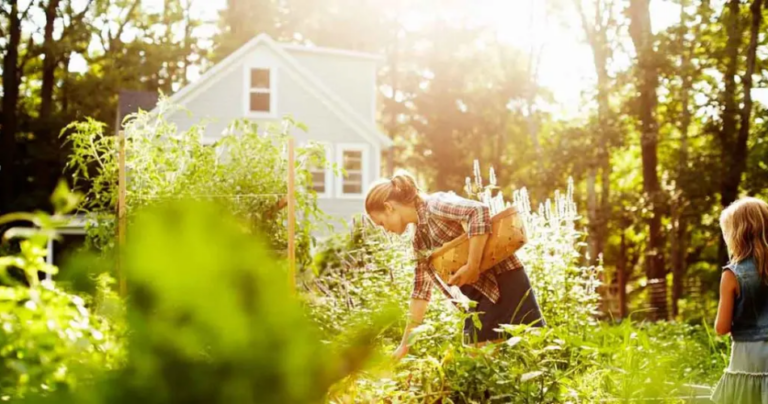
on Plants: what are the trends for 2022?
The plants of tomorrow will owe their success to their ability to satisfy our current aspirations and to nature’s great desire.
A plant is not a decoration like any other! Living, it accompanies us for months and, very often, years. To guarantee this sustainable development, we also choose it according to the environment we have to offer: a sunny garden, a few trash cans on a shaded balcony, a roof terrace… And then, climate change, our energy varies: like us, our plants can adapt. The simple attraction of novelty often lasts only as long as a crush, among the major trends of the moment, follow yours above all.
The little plants are inside!
Smaller, more beautiful: in the face of shrinking gardens and the growing popularity of urban gardening, the trend toward miniaturization is still going strong. Within each species, nurserymen are selecting increasingly compact forms that, if possible, concentrate decorative effects.
Read also: 27 mosquito and fly repellent plants to have at home in 2023
Colorful foliage shrubs : more durable than the longest flowering, the original color, or variegation, of foliage invades the areas of many small border and pot shrubs. Thus we rediscover less thorny barberries like the ‘Limoncello’ with its golden green edged with red, Japanese spireas like the ‘Sparkling Champagne’ which are already very flowery and whose foliage changes from spring to autumn, abelias including the variegated ‘Hopley’s’ are light yellow, very bright, and a whole collection of shrubby speedwells which can thus be protected from the cold.
New bamboos : All the charm of their light, evergreen foliage without the invasive nature—that’s the appeal of Fargesia bamboos! Highly resistant to cold, each plant will form a clump up to 120 cm in diameter. They tolerate growing in large containers much better.
Longer flowering : With reduced growth, some varieties can expend more energy in flowering. This is the case today for certain agapanthus such as ‘Charlotte’, ‘Blue Heaven’, ‘Poppin’ Purple’, twice as tall as traditional varieties, but also for the lavender ‘Bleu de Gien’ and Japanese azaleas, aptly called ‘Encore’, whose color diversity is only increasing.
Resistance is organized
Climate change is confirmed: after unusual episodes of summer drought, heatwaves and torrential rain, we must prepare for the excesses hitherto reserved for the Mediterranean basin.
sempervivium
Against the heat : southern trees “rise” north. This is the case of the evergreen oak, the manna ash, and the soapberry tree (Koelreuteria paniculata). Resistant to both cold and drought, houseleeks (Sempervivum) compete in changing color and limit watering in our pots and on plant roofs. Flowering even more when it’s hot and rainy in summer, the Indian lilac (Lagerstroemia) inspires designers, as evidenced by the recent range with dark foliage ‘Black Solitaire’ or ‘Black Diamond’.
Without flinching : resisting heat, but also cold in very ordinary soils, is the secret of the longevity of many grasses (miscanthus, molinia) including the switchgrass ‘Dallas Blues’ with its bluish and supple foliage and tall, vaporous flowers 1 0.5 m. In another style, but just as easy to grow, shrubby cinquefoils like ‘Danny Boy’, 40 cm tall, in the new raspberry pink color, are making a big comeback. Among the hydrangeas, the Hydrangea paniculata continues its meteoric rise, more tolerant of limestone, cold, sun and certain dry periods.
honeysuckle
Stop pests : Since the butterfly devastated the boxwoods, we’ve been looking for healthier, more tolerant alternatives. Shrubby honeysuckle (Lonicera nitida) seems to be standing out, offering brand new forms like the green or purple “garden clouds,” which are more hardy and grow in balls.
Flowers that give wings
Who isn’t convinced of the importance of all the insects that contribute to the pollination of our plants, fruits, and vegetables? Helping to nourish them, so-called honey-producing flowers (rich in pollen and nectar) are therefore very popular.
All summer long : Echinacea, these large perennial daisies, originally purple, offer a wide range of shapes and colors including white, orange, pale yellow, sometimes with a very large center. In the garden and in pots, the success of shrubby sage is undeniable, with abundant flowering from May-June until autumn. The trend is for two-tone flowers like the pink and salmon “Shell Dancer.”
Off-season : Insects need flowers at the end of winter, from which they emerge hungry. Long reserved, euphorbias are finally being recognized for their great ease of cultivation. Pollinators love their spring blooms, and these perennials retain beautiful evergreen foliage, often blue, sometimes variegated (“Silver Swan”) or even purple (“Efanthia”). After the summer, even a very dry one, all the bumblebees end up on the caryoptera! This blue-flowered shrub now exists in a pink version with silver foliage: ‘Stephi’.
Even rose bushes : to attract bees, they are adorned with simpler flowers, leaving the hearts accessible to collectors. After the “Rêve de Paris” rose, a two-tone pink and yellow, the Nectar Garden range offers almost every color of the rainbow! All these roses are small, bloom from spring to fall, and are among the most disease-resistant.
Edible research
The current period has reinforced, and sometimes sparked, a craze for gardening in general and for edible plants in particular. Vegetable plants have been pulled up everywhere, and nurseries have seen their stocks of fruit trees disappear!
In the garden : The supply of organic plants and seeds is increasing, even in nurseries. Coming from plants grown without chemical pesticides, they are better suited to home gardens where they can no longer be used. Another trend is that grafted plants (tomatoes, eggplants, peppers) are more resistant to common diseases and have a yield that is around 75% higher.
Fruit trees : Small, dwarf, and columnar trees are featured prominently in the catalogs. Being compact, they are also easier to prune and protect. Apple, pear, apricot, and cherry varieties are increasingly numerous! In the same spirit, we offer both raspberries (“Rustica”) and blackberries (“Purple Opal”) for growing in pots. Faced with very frequent diseases, old, resistant grape varieties such as “Isabelle” (strawberry vine) and “Noé” are being cultivated again.
Also read: 20 indoor plants ideal for poorly lit rooms
mint
Aromatic plants : essential ingredients, their flavors allow for less salt in dishes and less sugar in drinks. Growing them can save significant money and add originality to your cooking: purple basil, wild garlic, blackcurrant mint, pineapple sage, curry, etc. What’s more, their flowers are among the best for honey.
The price of novelty
Some new varieties can be discovered almost by chance after planting. However, when seeking specific traits such as disease resistance, research programs must be established that last for years and generate significant costs. However, for each new variety created, it is possible to obtain a Plant Variety Certificate (PVC). This gives the owner the right to exclusively exploit the plant for 25 or 30 years, depending on the species. Therefore, the registered trademark symbol can be added to the plant’s name. If other companies want to produce and market it, they must pay to acquire concessions or licenses.
Also read: 14 air-purifying indoor plants ideal for children’s bedrooms