
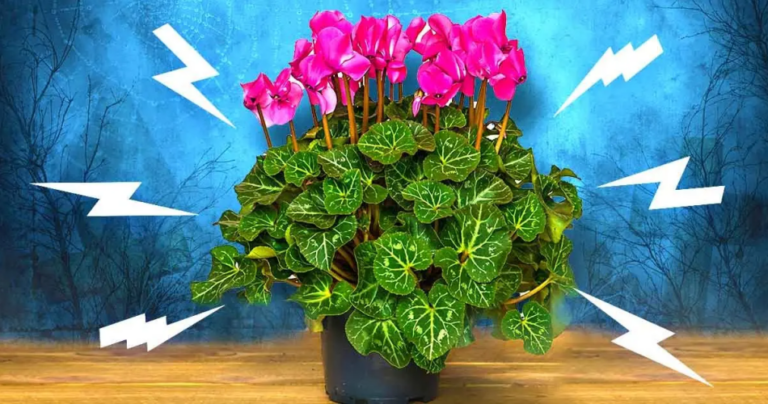
Flowering plants aren’t just for decorating your home. They also impact your emotions and moods, according to Feng Shui. Choosing indoor plants for your home is about enhancing your space and creating a healthy, positive environment. However, some plants can be toxic or attract negative energy.
There are some indoor flowering plants that are best left outdoors. Some of these plants can be toxic, and others are believed to be harmful to your well-being.
What are the 8 flowering plants that attract negative energies?
Some indoor flowering plants don’t necessarily bring a warm atmosphere to the home.
Read also: 27 mosquito and fly repellent plants to have at home in 2023
- Dumb Cane, an irritating green plant
stupid rod
Duets Cane is a poisonous plant that should be kept out of reach of children and pets. This plant contains sap that can be irritating to the skin and toxic if ingested. It can damage mucous membranes, cause lip ulcers, oral edema, and paralysis of the pharynx and tongue. It can also be dangerous to the eyes. When handling this plant, it is important to wear gloves.
- Azalea, the poisonous plant of Japan
azalea
Azalea is also a poisonous plant. Despite its pretty pink, white, or red flowers, this small flowering shrub should not be placed near children or inside your home. Outdoors, it will offer you beautiful blooms, which can reach two meters. But this tough plant can be just as irritating. Its leaves contain honey, which can cause poisoning. It is also not recommended to ingest the leaves. They can cause nausea, vomiting, dizziness, or even respiratory problems.
- The Poinsettia, an ideal plant for the end-of-year celebrations
Christmas stars
The Poinsettia, or Christmas Star, is a beautiful plant notable for its beautiful red leaves. This plant, with its very large foliage, blooms mainly during the Christmas season. Although its maintenance is relatively easy, both for its flowering and repotting, it is not recommended to have a Poinsettia in the house. It should be kept away from children and pets. The Poinsettia can be very toxic due to the latex and other toxic substances present in its leaves and stems. These can trigger various symptoms in the mucous membranes, such as irritation or swelling.
- Monstera, a houseplant with unusual foliage
monster
Monstera is an ideal green plant for decorating your home. However, this houseplant with its majestic foliage should not be kept near pets or young children. In fact, it produces sap that can be very irritating. It can also cause headaches for its owners.
- Persian cyclamen, a plant with unusual flowers
Persian cyclamen
Persian cyclamen is a flowering plant native to the Mediterranean region. It blooms year-round, offering beautiful, slightly spiraled petals that are one to four centimeters long. Its pink, purple, and white colors are eye-catching, but this plant can have a negative impact on a person’s success.
- Hedgehog cactus, a plant with an original flowering
sea urchin cactus
The hedgehog cactus is a very easy plant to grow. When it blooms, its flowers are so large that they dwarf the cactus and grow with several layers of petals, often in different colors. This plant is very complex because its beautiful flowers only last a day after opening. Unfortunately, it is a cactus and therefore has thorns. It is therefore advisable to keep it out of reach of children. In addition, this succulent is said to have a negative effect on a person’s mood. It can absorb a person’s energy and drain them.
- The orchid, a houseplant that everyone loves
orchid11
This houseplant appeals to many people because it’s easy to care for and offers flowers in a variety of colors. Unfortunately, this plant shouldn’t be kept in a bedroom because it’s considered harmful to a person’s energy.
Also read: 20 indoor plants ideal for poorly lit rooms
- Clivia, an easy-care plant
clivia
Clivia is an easy plant to grow. It prefers well-drained, aerated soil and good light. Unfortunately, the bulb of this beautiful houseplant is poisonous. Its sap is irritating and can cause nausea and vomiting. This plant should not be placed on a windowsill, as this would prevent the arrival of your soulmate.
As you may have guessed, it is believed that these plants should be avoided at home. Likewise, toxic plants should also be banned from the house, especially if you have children or pets.
Also read: 14 air-purifying indoor plants ideal for children’s bedrooms