
If you’re tired of fighting moths and want to enjoy worm-free apples without resorting to chemicals, you’re in luck! I’ve discovered a highly effective method for keeping these moths away from your precious apple trees. Here’s a step-by-step guide to creating your own moth trap:
materials you will need
Materials you will need:
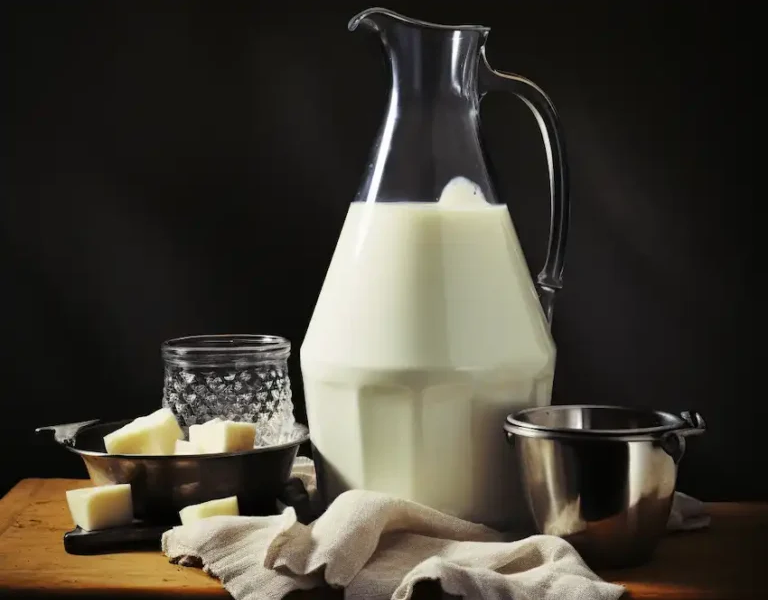
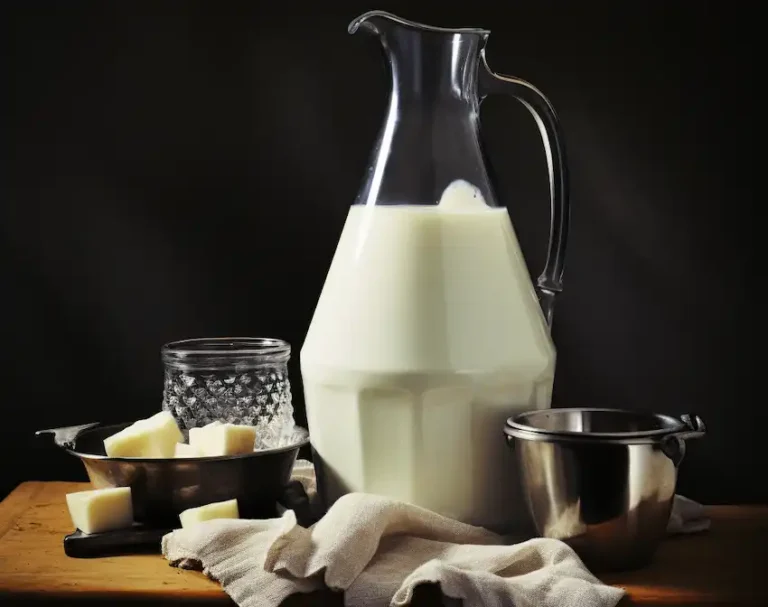
A clean 1 gallon milk jug
A sharp knife
1 cup apple cider vinegar
1/3 cup blackstrap molasses
1/2 teaspoon of ammonia
Enough water to make 1 1/2 liters of liquid
A funnel
A strip of fabric
Instructions:
Start by cleaning a 1-gallon milk jug. To create a hole for butterflies to enter, heat the jug by filling it with hot water and shaking it until the sides become hot. Empty the water and carefully cut a hole the size of a small egg just below the shoulder of the jug using a sharp knife.
In a separate container, mix the following ingredients: 1 cup apple cider vinegar, 1/3 cup blackstrap molasses, 1/2 teaspoon ammonia, and enough water to make 1 1/2 quarts of liquid.
Carefully pour the prepared mixture into the milk jug using a funnel, making sure to replace the milk jug cap.
Once your apple trees have finished blooming, it’s time to install the moth trap. Attach the pot to a sturdy branch with a strip of fabric, making sure the hole is facing slightly downward. This positioning prevents rain from entering while still allowing moths to access the mixture.
As the season progresses, you’ll notice the mixture begin to evaporate. When this happens, simply grab your garden hose and add more water to the jug.
Keep the jugs in the tree until the apple harvest is complete. Then you can throw them away, but before you do, prepare to be amazed at how many moths you’ve managed to trap—even if it might be a little gross!
For an average-sized tree, consider placing 2 to 4 jugs in different locations to maximize the effectiveness of the moth trap.
This tried-and-true recipe isn’t limited to just apple trees; it’s also known to work well with cherry and pear trees.
apple in a tree
In addition to this method, there are several other natural strategies to effectively combat moths and worms:
Natural biological control agents : The use of beneficial nematodes and fungi can help control worm populations in fruit trees. These agents either attack the worms directly or create barriers that prevent infestations.
Attract beneficial insects and birds : Encouraging insect-eating birds and beneficial insects into your garden can naturally reduce pest numbers. Providing habitat, food, and water for these natural predators can help control pests.
Fruit Tree Traps : Using different types of traps, such as sticky traps and pheromone traps, can effectively reduce pest populations. These traps either capture pests directly or disrupt their reproductive cycle.
Pruning and Sanitation : Regularly pruning trees and removing infested fruit or debris can prevent pests from establishing a stronghold in your orchard.
Orchard Sox and Fly Barriers : Using protective covers, such as fly barriers or orchard sox, on young fruit can prevent pests like apple maggot and codling moth from damaging the fruit.
Codling moth virus : Application of specific biological control agents such as codling moth granulovirus can target codling moth without affecting other beneficial organisms.
These methods not only help control pests but also contribute to the overall health of the orchard by maintaining ecological balance. It is crucial to begin implementing these control measures early in the season and continue them diligently to achieve effective results.
a crate of apples
By combining these methods, you can significantly reduce worm infestations in your apples and maintain a healthy, productive orchard without resorting to chemical insecticides.