
on Improving Your Garden: 7 Natural Items That Enrich Soil for Free
A lush, thriving garden doesn’t always require expensive fertilizers. Nature offers a wide range of household items that, when incorporated into the garden, can transform the soil into a nutrient-rich haven for plants. Here are seven natural elements that can do wonders for the health and vitality of your garden:
xshare
- Kitchen leftovers
Turn kitchen scraps into a boon for your garden. Vegetable peelings, green leafy scraps, mushroom scraps, and even banana peels make excellent natural fertilizers. These organic scraps decompose over time, attracting earthworms and enriching the soil with essential nutrients. - Eggshells
Save those eggshells! These calcium-rich shells take time to fully decompose, but when crushed and added to the soil, they gradually release calcium, which benefits plants, especially calcium-loving ones like tomatoes. - Cardboard products
Toilet paper rolls, paper towel rolls, and cardboard boxes without stickers or tape are fantastic additions. Worms love cardboard, using it as shelter and helping to aerate the soil, aiding the decomposition process. - Stale bread
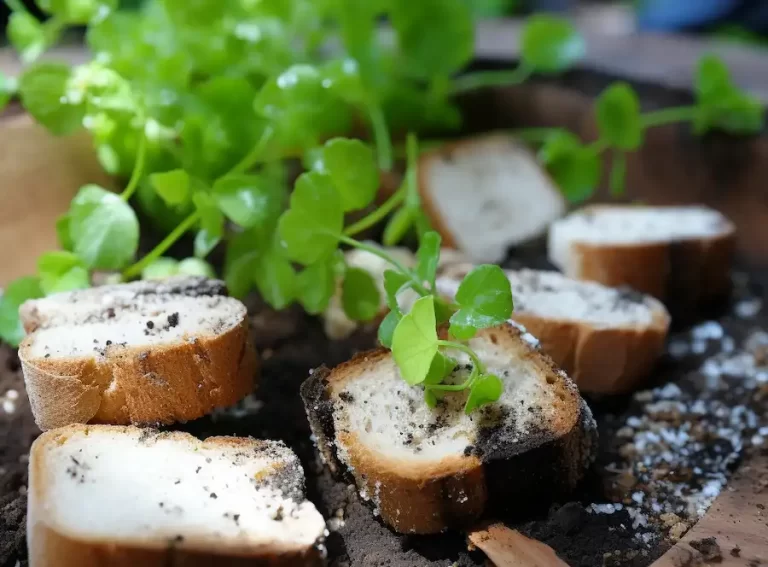
stale bread used as fertilizer
Surprisingly, stale bread is also useful in the garden. Its moisture-absorbing qualities and tendency to promote mold and fungus make it an attractive meal for worms, thus contributing to organic fertilizer. - Coffee grounds
Neutral in nature, coffee grounds improve soil moisture retention and decompose easily. Worms love the fungi that grow on them, speeding up their decomposition process. - Grass cuttings
Rich in nitrogen, grass clippings are an excellent source of this essential nutrient for your garden. Make sure they are free of weed seeds and chemicals to prevent unwanted growth. - Dead / fallen leaves
dead leaves
Autumn leaves, readily available and free, add organic matter to the soil. Use a lawnmower to quickly gather them, contributing to the overall health of your garden soil.
While these items can do wonders for nourishing your garden, it’s equally important to know what not to bury in your garden:
Wood chips and pine needles : Unless you are aiming for acidic soil, avoid mixing these into the soil as they can alter the soil pH.
Peanut shells, dairy products, meat products, and eggs : These items attract unwanted pests and slow decomposition. Choose to compost them separately to avoid foul odors and maintain a healthy compost pile.
By incorporating these natural and cost-effective methods, you’ll foster a thriving, nutrient-rich environment in your garden. However, remember to maintain a balance and always be mindful of what you add to your garden soil for optimal plant growth and vitality.