
on How to Grow Lavender to Scent Your Entire Home
share 19
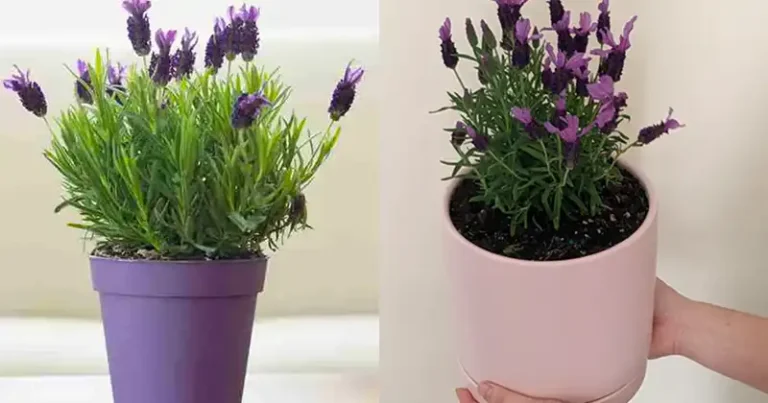
Lavender, with its captivating fragrance and delicate purple flowers, is not only a feast for the eyes but also a natural way to scent your entire home. Growing lavender in pots is a rewarding and beginner-friendly way to introduce this aromatic herb into your living space. In this comprehensive guide, we’ll walk you through the essential steps to successfully grow lavender and enjoy its delicious fragrance in your home.
Choosing the Right Variety:
Before diving into the world of lavender growing, it’s crucial to choose the right variety for container gardening. English lavender varieties, such as Lavandula angustifolia, are well-suited to pots due to their compact size and adaptability to container life.
Selecting the perfect pot:
Lavender thrives in well-drained soil, making the right pot crucial for successful cultivation. Choose a pot with good drainage holes to avoid waterlogging and use a light, well-aerated potting mix specially formulated for herbs.
Planting lavender seeds or seedlings:
Depending on your preferences and patience, you can start growing lavender from seeds or opt for young plants from a local nursery. Plant the seeds or seedlings in the prepared potting soil, ensuring they are spaced far enough apart to allow for good growth.
Sunlight Requirements:
Lavender is a sun-loving herb, so choose a sunny spot for your potted plant. Aim for at least 6 to 8 hours of direct sunlight per day to promote robust growth and maximize flower fragrance.
Watering Techniques:
Although lavender is known for its drought tolerance, it is essential to establish a consistent watering routine, especially during the early stages of growth. Allow the soil to dry out between waterings to prevent root rot and water the plant at the base to avoid wetting the foliage.
Pruning for bushier growth:
Regular pruning is essential to encourage a bushier lavender plant. Cut off faded flowers and prune back about a third of the plant in spring to stimulate new growth. This not only improves the overall appearance but also promotes a more robust fragrance.
Fertilizing Lavender:
Lavender does not require heavy fertilization. Apply a balanced, slow-release fertilizer in spring to provide essential nutrients. Avoid overfertilizing, as lavender prefers slightly lean soil.
Overwintering lavender:
In colder climates, lavender may need protection during the winter months. Consider moving the pots to a sheltered spot or covering them with a layer of mulch to insulate the roots.
Harvesting Lavender:
Once your lavender plant is mature, you can begin harvesting the fragrant flowers. Harvest the flowers when they are in full bloom for the best aroma. Dry the cut stems upside down in a cool, dark place and store the dried lavender in airtight containers for later use.
Bottom Line:
With the right care and attention, growing lavender in pots is a delicious and aromatic journey. Follow these beginner-friendly steps, and you’ll soon be enjoying the soothing scent of lavender throughout your home, bringing a touch of nature’s beauty indoors.