
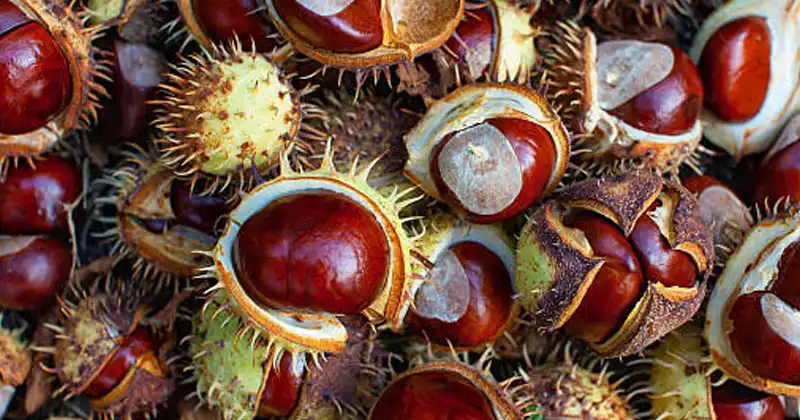
Discover the remarkable uses of horse chestnut
share 12
Horse chestnut (Aesculus hippocastanum) is a remarkable natural resource with a wide range of practical applications, including traditional medicine and soapmaking. In this comprehensive guide, we’ll provide detailed instructions on how to get the most out of horse chestnuts for both medicinal and soapmaking uses.
Medicinal uses:
For centuries, horse chestnut seeds and bark have been valued for their medicinal properties. Here’s a step-by-step guide on how to harness these healing qualities:
- Preparation of horse chestnut extract:
a. Harvesting Horse Chestnuts: Start by harvesting fresh horse chestnuts, usually available in the fall when the tree’s spiny green seed capsules split open to reveal shiny brown seeds.
b. Hulling: Remove the hard outer shell of the seeds to access the inner part. Be careful, as horse chestnuts contain toxic compounds that must be removed during the extraction process.
c. Slice and dry: Cut the seeds into small pieces and let them dry, either naturally in a cool, dry place or using a dehydrator.
d. Prepare an oil extract: To create an oil-based extract, combine dried horse chestnut seeds with a carrier oil, such as olive or coconut oil, in a ratio of approximately 1 part horse chestnut to 5 parts carrier oil. Seal the mixture in a glass jar and store it in a cool, dark place for 6 to 8 weeks, gently shaking the jar every few days.
e. Strain and store: After the infusion period, strain the oil to remove the horse chestnut seeds. Transfer the oil extract to a dark glass container with a tight-fitting lid for storage. This oil can be applied topically to treat varicose veins, hemorrhoids, and other ailments.
- Prepare horse chestnut ointments:
- Gather the ingredients: To create a salve, you will need horse chestnut oil extract, beeswax, and essential oils (optional). The beeswax helps solidify the salve.
b. Heat and mix: In a double boiler, gently heat the horse chestnut oil extract and beeswax in a ratio of approximately 4 parts oil extract to 1 part beeswax. Stir until the beeswax melts completely and blends with the oil.
c. Add essential oils (optional): For added fragrance and soothing properties, consider adding a few drops of essential oils like lavender or chamomile.
d. Pour into containers: Quickly pour the hot mixture into small containers, such as lip balm jars or glass jars, and allow it to cool and solidify.
e. Storage and Application: Seal containers and store in a cool, dark place. Apply the ointment topically to varicose veins, hemorrhoids, or areas with bruises or sprains.
Soap making:
Introducing horse chestnut into soapmaking can result in unique and beneficial skincare products. Here’s a step-by-step guide to making horse chestnut soap:
- Ingredients:
Horse chestnut extract or oil
Lye (sodium hydroxide)
Water
Oils and fats (e.g., coconut oil, olive oil, palm oil)
Essential oils for fragrance (optional)
- Safety precautions:
When working with laundry detergent, use protective equipment, including gloves and goggles.
Always work in a well-ventilated area.
- Soap making process:
- Prepare the laundry detergent solution: Dissolve the detergent in the water, being careful as this process can generate heat and fumes. Allow the detergent solution to cool.
b. Mixing oils: Combine various oils and fats in a large saucepan and heat until melted. Allow the mixture to cool to a suitable temperature.
c. Combine the lye solution and oils: Slowly pour the lye solution into the pot of oils while stirring continuously.
d. Add horse chestnut extract: Stir horse chestnut extract or oil into the soap mixture. Generally, 1 to 2 tablespoons per pound of oils is a good starting point, but you can adjust this to your preference.
e. Fragrance (optional): If you desire fragrance, add a few drops of essential oils to the soap mixture.
F. Pour and Cure: Pour the soap mixture into molds and let it sit for several hours or overnight. Once firm, remove the soap from the molds and let it cure for several weeks to ensure it hardens properly.
g. Enjoy: Once hardened, your horse chestnut soap is ready to use. Enjoy its soothing and cleansing benefits as part of your daily skincare routine.
Disclaimer:
The information provided in this article is for educational and informational purposes only. It is not a substitute for professional medical advice, diagnosis, or treatment. Always consult a qualified healthcare professional before using any natural remedies, including those containing horse chestnut, especially if you have underlying health conditions, are pregnant or breastfeeding, or are taking any medication.
When using horse chestnut for medicinal purposes, be careful and make sure you are well informed about the potential risks and benefits. Some parts of the horse chestnut tree contain toxic compounds, and safe preparation and dosage are essential.
Additionally, when making homemade products like soap, it’s essential to follow safety guidelines, especially when working with ingredients like lye. Make sure you use the proper safety equipment and precautions to protect yourself from potential hazards.
The authors and editors of this article do not encourage or endorse any practices that could be harmful to the health or well-being of individuals. Use the information provided responsibly and consult a healthcare professional if necessary. Your health and safety should always be your top priority.
In short, horse chestnut is a versatile natural resource with a wide range of uses, from medicinal applications to soap making. By following the steps outlined in this guide, you can harness the remarkable healing potential and creative possibilities offered by horse chestnut.