
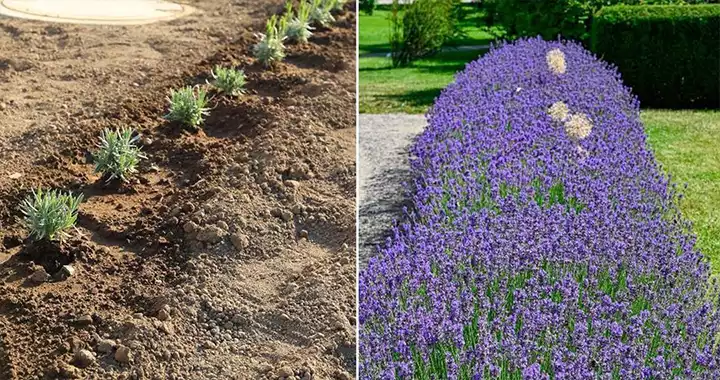
Lavender, with its delicious fragrance and pretty purple flowers, is a favorite among gardeners and landscape enthusiasts. Not only is it aesthetically pleasing, but it also serves practical purposes in the garden. Here’s a guide on how to plant a lavender hedge and ten compelling reasons why you should consider doing so.
1st grade
How to plant a lavender hedge:
Step 1: Select your lavender variety
Choose a lavender variety suited to your climate and soil type. Popular choices for hedges include Lavandula angustifolia (English lavender) and Lavandula x intermedia (French lavender).
Step 2: Plan your layout
Measure the area where you want your hedge. Lavender plants should be spaced 12 to 18 inches apart to allow for good air circulation and growth.
Step 3: Prepare the soil
Lavender thrives in well-drained, slightly alkaline soil. Amend your soil with organic matter and gravel if necessary to improve drainage.
Step 4: Planting
Plant in spring or early fall. Dig holes twice as wide as the root ball and just as deep. Place the plants in the holes and fill with soil, tamping gently.
Step 5: Watering
After planting, water your lavender thoroughly. Continue to water once or twice a week until the plants are established.
Step 6: Mulching and maintenance
Mulch with gravel or sand to reflect light and ensure drainage. Prune plants lightly after flowering to encourage bushy growth.
Step 7: Annual pruning
In late summer or early fall, after the last flowers have died back, prune your lavender hedge to maintain its shape and encourage new growth for the following season.
10 reasons to plant a lavender hedge:
- Aesthetic appeal
A lavender hedge adds a touch of elegance with its silvery-green foliage and purple flowers.
- Perfume
The relaxing scent can transform your garden into a serene escape.
- Pollinators love it
Lavender attracts bees, butterflies and other beneficial pollinators.
- Low maintenance
Once established, lavender requires little care, making it ideal for busy gardeners.
- Drought tolerance
It is very drought tolerant and only requires occasional watering.
- Medicinal uses
Lavender has many medicinal properties, including stress relief and anti-inflammatory effects.
- Culinary uses
Some varieties of lavender can be used to infuse flavor into foods and drinks.
- Natural pest repellent
The scent of lavender repels deer and rabbits, as well as mosquitoes and other pests.
- Versatility in landscaping
Lavender can be used as a formal hedge or in a casual setting.
- Adds value to your home
Well-maintained landscaping, including hedges, can increase the value of a property.
Planting a lavender hedge not only provides visual beauty and a pleasant aroma, but also offers numerous benefits to your garden’s ecosystem and lifestyle. Whether for practical reasons or simply for the pleasure of gardening, a lavender hedge is a rewarding addition to any outdoor space.