
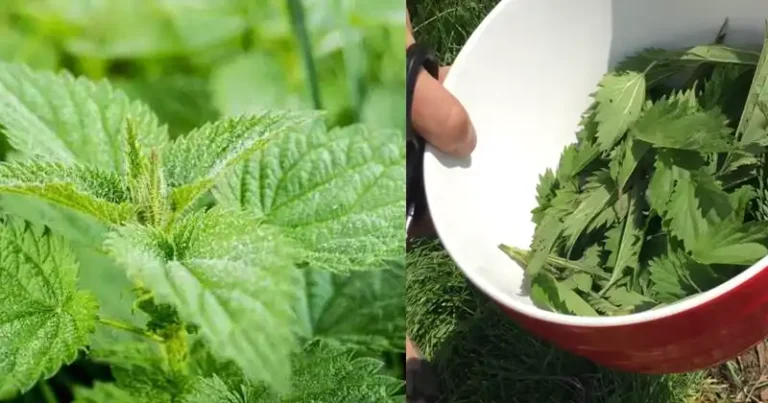
on The Importance of Nettle Fertilizer and Insecticide: How to Make and Use Them in Your Garden
share 9
Nettle fertilizer and nettle insecticide are valuable tools in organic gardening. They are easy to make, environmentally friendly, and offer numerous benefits for your garden. In this article, we will explore the importance of nettle solutions, learn how to make them, and understand how to use them effectively.
The importance of nettle fertilizer
Nettle fertilizer, often called nettle tea or liquid nettle fertilizer, is an all-natural, nutrient-rich plant food that can significantly improve the health and productivity of your garden. Here’s why it’s important:
Nutrient-rich: Nettles are packed with essential nutrients such as nitrogen, potassium, phosphorus, and trace elements. These nutrients are essential for plant growth and development.
Improved soil quality: Nettle fertilizer enriches the soil with organic matter, helping to improve soil structure, water retention and nutrient availability.
Natural pest deterrent: The strong scent of nettle fertilizer can help deter some garden pests, reducing the need for chemical insecticides.
Cost-Effective: Making your own nettle fertilizer is cost-effective and reduces the need for store-bought fertilizers.
How to make nettle fertilizer
Making nettle fertilizer is a simple process. Here’s a step-by-step guide:
Ingredients:
Fresh nettle leaves (wear gloves when handling)
A large container or bucket
Water
fresh nettle leaves a large container or bucket of water
Instructions:
Harvest nettle leaves: Gather fresh nettle leaves during the growing season, usually in spring or early summer. Be sure to wear gloves to avoid stinging.
Filling a container: Fill a large container or bucket with water. The amount of water you need depends on the number of nettle leaves you have.
Add the nettle leaves: Place the nettle leaves in the container of water. Use approximately 1 part nettle leaves to 10 parts water. For example, if you have a gallon of nettle leaves, use 10 gallons of water.
Soak the leaves: Let the nettle leaves soak in water for about two to three weeks. Stir the mixture every few days to aerate it.
Strain and Use: After the infusion period, strain the liquid into another container. The resulting liquid is your nettle fertilizer. You can further dilute it with water (usually 1 part nettle fertilizer to 10 parts water) before using it on your plants.
The importance of nettle insecticide
Nettle insecticide, also known as nettle pest spray, is an organic and eco-friendly solution for controlling garden pests. Here’s why it’s important:
Environmentally friendly: Nettle insecticide is a natural, chemical-free alternative to synthetic insecticides, reducing damage to beneficial insects and the ecosystem.
Low cost: Making your own nettle insecticide is cost-effective and sustainable, reducing the need for expensive commercial products.
Effective pest control: Nettle insecticide can help control a variety of common garden pests, including aphids, caterpillars, and mites.
How to make a nettle insecticide
Creating a nettle-based insecticide is a simple process. Here’s a basic guide to help you get started:
Ingredients:
Fresh nettle leaves (wear gloves when handling)
Water
Soap (organic, non-toxic)
Fresh nettle leaf water soap
Instructions:
Harvesting Nettle Leaves: As with nettle fertilizer, harvest fresh nettle leaves during the growing season, making sure to wear gloves.
Fill a container: Fill a container with water, using approximately 1 part nettle leaves to 5 parts water . For example, if you have one liter of nettle leaves, use 5 liters of water.
Add the nettle leaves: Place the nettle leaves in water and let them soak for about 24 hours .
Strain the liquid: After the soaking period, strain the liquid into a spray bottle.
Add soap: Add a few drops of organic, non-toxic soap to the mixture. The soap helps the solution adhere to pests and plants.
Spraying plants: Apply the nettle insecticide directly to affected plants, targeting the pests. Be sure to spray the upper and lower sides of the leaves. Repeat the process as needed, usually every 7 to 10 days .
Nettle fertilizer and nettle insecticide are essential tools for gardeners who prioritize organic and sustainable practices. These homemade solutions offer a range of benefits, from enriching the soil to promoting plant growth to effectively managing garden pests. By understanding how to make and use nettle products, you can take significant steps toward a healthier, more productive garden while reducing your reliance on chemical fertilizers and insecticides.