
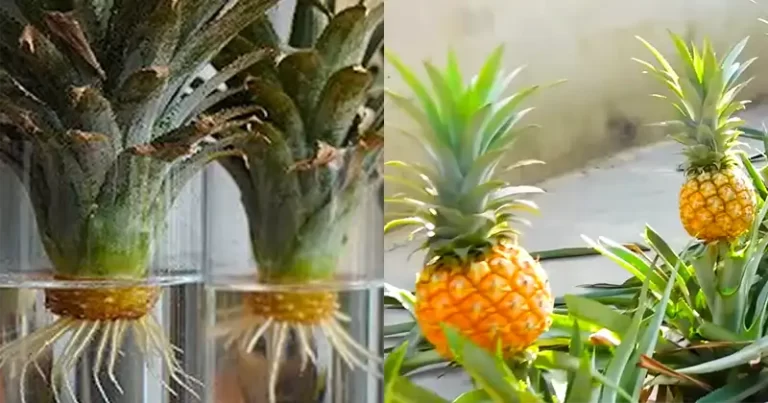
From Table Scraps to Tropical Paradise: Growing Pineapples at Home
Pineapples, the epitome of tropical delights, can be grown right at home from what might seem like simple table scraps. Instead of throwing away the crown after enjoying the juicy flesh of a pineapple, you can embark on a journey to create your own tropical paradise by regrowing that crown into a thriving pineapple plant. This not only contributes to sustainable living but also brings the beauty and flavor of the tropics to your living space. In this article, we’ll walk you through the process of growing pineapples at home, from choosing the perfect crown to transforming it into a lush houseplant that bears delicious fruit.
Materials you will need:
Before diving into the step-by-step guide, make sure you gather the following materials:
A ripe pineapple with a healthy crown
A sharp knife or scissors
A glass or a jar
Bags or containers of soil
High quality potting soil
Organic fertilizer
Access to a sunny window or grow light
A little patience
Step 1: Selecting and preparing the pineapple crown
The first step is crucial: choose a fresh pineapple with a vibrant crown. Make sure the crown is free of any signs of rot or mold. Using a sharp knife or kitchen scissors, carefully separate the crown from the fruit, making sure to include a small portion of the pineapple flesh. This small piece of fruit is essential for initiating root growth for your future pineapple plant.
Step 2: Rooting the Pineapple Crown in Water
Remove a few lower leaves from the crown to expose the stem.
Find a glass or jar and fill it with water, making sure the stem can be submerged while keeping the crown out of the water.
Carefully place the wreath into the glass or jar, making sure the stem is covered with water but not the wreath itself.
Place the container in a sunny spot, such as a windowsill, where it can receive indirect sunlight. Remember to change the water regularly to prevent stagnation and algae growth.
After a few weeks, you will begin to observe root growth from the base of the crown.
Step 3: Plant the rooted pineapple crown in bags of soil
Once your pineapple crown has developed a healthy root system, it’s time to transfer it to bags of soil. Here’s how:
Fill the bags or containers with well-draining potting soil. Pineapples prefer slightly acidic, well-drained soil. Consider incorporating organic fertilizer into the mix to add nutrients.
Create a small hole in the center of the bag of soil, deep enough to accommodate the roots of the crown.
Carefully remove the pineapple crown from the water, allowing any excess moisture to drain.
Plant the crown in the hole, making sure the base of its leaves are level with the soil surface.
Lightly compact the soil around the crown to ensure stability.
Water your newly planted pineapple thoroughly, making sure the soil is evenly moist but not waterlogged.
Step 4: Create the ideal conditions
For your pineapple to thrive, you need to provide it with the right conditions. Here’s what you need to do:
Place your pineapple plant in a sunny, indirect location. If natural light is insufficient, consider using a grow light as a supplement.
Water your pineapple plant regularly but avoid overwatering. Pineapples prefer slightly dry conditions, so allow the top inch of soil to dry out between waterings.
Every 2-3 months during the growing season (usually spring and summer), feed your pineapple plant with a balanced organic fertilizer.
As your pineapple plant matures, it may produce pups (baby plants) at its base. These can be carefully separated and replanted, giving you the opportunity to expand your pineapple garden.
Be patient; it can take up to two years for your pineapple plant to bear fruit. However, the rewards are well worth the wait.
Bottom line: Enjoy the fruits of sustainable gardening
Growing pineapples from table scraps is not only sustainable but also a source of immense satisfaction. By following these steps and giving your pineapple the care it needs, you can transform a seemingly ordinary wreath into a thriving houseplant that, when the time comes, will yield delicious pineapples. So, the next time you’re tempted to toss a pineapple wreath as waste, remember its potential to bring a slice of the tropics into your home. Happy gardening, and here’s to your future pineapple harvest!