
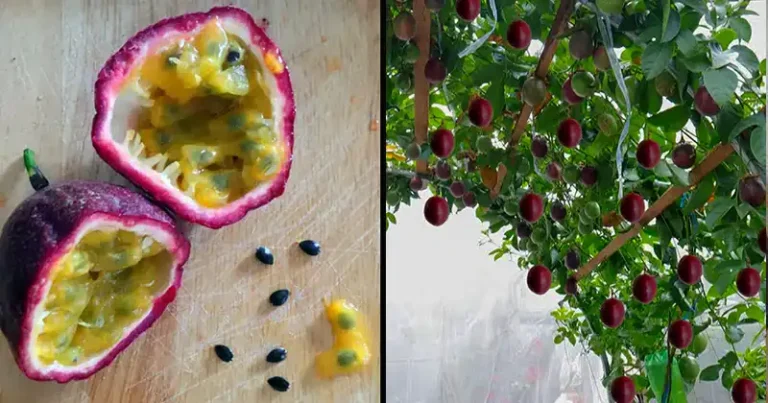
on Growing Passion Fruit in Containers for Families with Limited Space
share 16
Passion fruit, with its distinctive taste and numerous health benefits, is a much-loved tropical fruit. However, not everyone has the luxury of a garden to grow these delicious vines. If you find yourself in a family without outdoor space for gardening but still yearn to enjoy the delights of home-grown passion fruit, you’re in luck! This article will guide you through the process of growing passion fruit from seeds in containers, making it possible to enjoy this exotic treat at home, even if your outdoor space is limited.
Essential materials
Before embarking on this journey, make sure you have the following equipment available:
Passion Fruit Seeds: Obtain these from a ripe passion fruit. Let the seeds air dry for a day or two.
Container: Choose a spacious pot or container with a minimum diameter and depth of 18 inches. It should have drainage holes to prevent waterlogging.
High-quality potting soil: Choose a well-drained potting soil enriched with organic matter.
Support System: Since passion fruit vines are climbers, you will need a trellis or other suitable support structure for the plant to cling to.
Fertilizer: A balanced, slow-release fertilizer is essential for feeding your passion fruit plant.
Watering Can or Hose: You’ll need a way to ensure your plant receives an adequate supply of water.
Pruning shears: These will be useful for maintaining the growth of the plant as it progresses.
Sunlight: Identify a sunny spot, whether a balcony or windowsill, that receives at least 6 to 8 hours of direct sunlight each day.
Steps for growing in containers
Container preparation:
Fill the container with well-draining potting soil, leaving a few inches of the rim.
Sowing the seeds:
Plant 2-3 passion fruit seeds about 1 inch deep in the center of the container and water the soil gently.
Provide structural support:
Install a trellis or suitable support structure inside the pot, ensuring its stability and adequate height for the growth of the passion fruit vine.
Watering program:
Maintain consistent soil moisture, avoiding waterlogging. Water the plant when the top centimeter of soil is dry, making sure excess water drains through the holes in the container.
Sunlight Requirements:
Place the container in a sunny location, where your passion fruit can bask in full sun for several hours each day.
Fertilization:
Begin fertilizing your passion fruit plant with a balanced, slow-release fertilizer once it begins to grow and displays its first set of true leaves. Follow the package instructions and repeat this process every 4 to 6 weeks during the active growing season (spring through fall).
Size measurements:
As the plant matures, it may produce several shoots. Select the healthiest shoot and cut back the others to encourage upward growth. Also, prune any damaged or wilted growth as needed.
Patience and pollination:
Be prepared to be patient, as it can take several months to a year for your passion fruit to begin flowering and bearing fruit. To aid pollination, use a small paintbrush to transfer pollen between the flowers as they bloom.
Harvest time:
Harvest passion fruit when it turns purple or yellow, depending on the variety. They should detach effortlessly when twisted and pulled from the vine.
Conclusion
Growing passion fruit in containers is not only feasible but also a rewarding endeavor for families without access to gardens. By following these instructions and providing proper care, you’ll eventually be able to indulge in the sweet, tropical flavors of homegrown passion fruit. Share the joy with your family and enjoy the delicious fruits of your labor, even if you lack outdoor garden space. Happy gardening!