
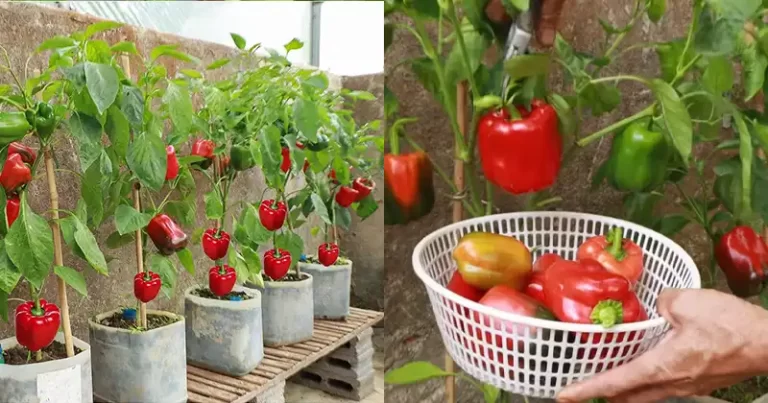
If you’re a gardening enthusiast with limited space, growing peppers in containers is a great way to enjoy fresh, flavorful peppers right at home. Container gardens not only save space, but they also offer a wealth of options for growing your own delicious peppers. This article will guide beginners through the process of growing peppers in containers and share some homemade fertilizers to maximize your pepper production.
Choosing the right container
Choosing the right container is the first crucial step in growing peppers at home. Look for pots or containers that are at least 5 gallons in size and have good drainage holes. Pepper plants have extensive root systems, so a larger container provides ample space for growth.
Choosing the Perfect Peppers
When selecting pepper varieties for container gardening, choose compact or dwarf varieties. Some excellent choices include ‘Mini Belle,’ ‘Patio Belle,’ and ‘Lunchbox.’ These varieties are ideal for small spaces and are well-suited to growing in pots.
Soil preparation
Quality soil is essential for growing healthy peppers. Use a well-draining potting mix rich in organic matter. To improve drainage, mix in perlite or coarse sand. Fill the container, leaving a few inches of space at the top to accommodate the plant.
Planting Pepper Seeds or Transplants
You have two options for planting peppers: seeds or transplants. If you’re a beginner, transplants are the easiest and fastest method. Purchase healthy pepper plants from a local nursery or start your seeds indoors 8 to 10 weeks before the last frost date. Transplant the plants into your containers once they have at least two sets of true leaves.
Sunlight and Location
Peppers thrive in full sun, so choose a spot with at least 6 to 8 hours of direct sunlight per day. Place your containers in a sunny location like a balcony, patio, or windowsill. If growing indoors, consider using grow lights to supplement the sunlight.
Watering
Consistent watering is crucial for peppers. Keep the soil consistently moist but not waterlogged. Water thoroughly when the top inch of soil is dry. Avoid wetting the foliage to prevent disease.
Homemade fertilizer for peppers
To promote healthy growth and maximize pepper production, consider using homemade fertilizers. Here are some DIY fertilizer options:
- Compost tea
Ingredients:
5 gallons of water
1 to 2 shovelfuls of well-rotted compost
Instructions:
Fill a 5 gallon bucket with water.
Add the compost to the water.
Stir well and let stand for 2-3 days.
Strain the liquid and use it to water your pepper plants. This provides an organic, nutrient-rich boost to your plants.
- Eggshell Fertilizer
Ingredients:
Crushed eggshells
Instructions:
Save and crush eggshells from your kitchen.
Sprinkle crushed eggshells around the base of your pepper plants. The calcium in the eggshells can help prevent blossom-end rot in peppers.
Pest and disease management
Keep an eye out for common pests like aphids, snails, and slugs. Inspect your plants regularly and use natural remedies like neem oil or homemade insecticidal soap to control infestations. Ensure good air circulation to reduce the risk of fungal diseases.
Harvest
Your peppers will be ready to harvest when they reach their ripe color—usually green, red, or yellow, depending on the variety. Use scissors or pruning shears to cut the peppers from the plant, leaving a small portion of the stem attached.
Conclusion
Growing peppers in containers is a rewarding and space-saving endeavor for both beginners and experienced gardeners. With the right container, soil, care, and a touch of homemade fertilizer, you can enjoy a bountiful harvest of delicious peppers right from your own home. So go ahead, start your container garden and enjoy the joys of homegrown produce. Happy gardening!
Inspired by this? Share the article with your friends!