
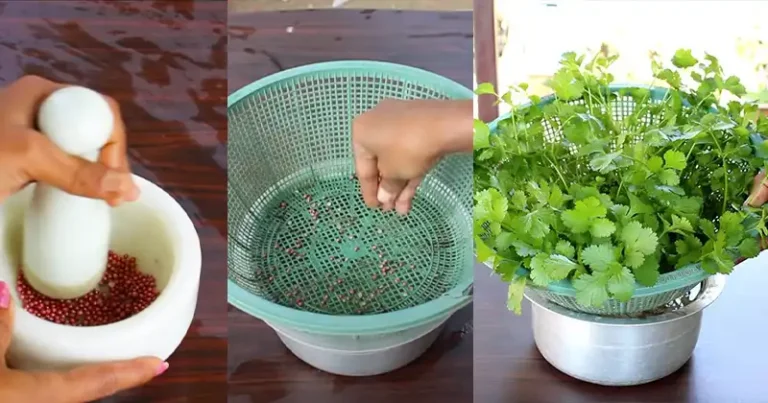
Growing cilantro, also known as coriander, in the comfort of your own home using a colander is an engaging and rewarding endeavor. This article outlines a step-by-step process to help you embark on this delicious journey. Essential materials:
Coriander seedsA colander or wire mesh containerA shallow dish or trayWaterPotting soil (optional)
Follow these steps: 1. Handpick the perfect coriander seeds: When embarking on this cilantro growing adventure, start by selecting high-quality coriander seeds. You can either purchase them from a garden store or extract the seeds from store-bought coriander. Make sure these seeds are intact and whole, not ground or damaged. 2. Prepare the optimal colander or mesh container: Opt for a colander or mesh container that is both effective at draining excess water and free of any debris. Make sure it is clean and ready to use in your project. 3. Begin the seed soaking process: Place your carefully chosen coriander seeds in a small container and cover them with water. Let the seeds soak for about 24 hours. This soaking period serves to soften the outer hulls of the seeds, thus promoting germination. 4. Rinse the seeds thoroughly: After the soaking period, rinse the seeds thoroughly under a steady stream of running water to remove any residual substances. 5. Fill the strainer: Place your chosen strainer in a shallow dish or tray, strategically placed to capture any excess water. Fill the strainer with the soaked coriander seeds. 6. Maintain proper humidity levels: Consistently maintain the moisture levels of your coriander seeds; however, be careful not to overwater them. You can achieve this by adding a small amount of water to the dish or tray below the strainer, creating a humid environment. The strainer design will ensure that excess water drains efficiently. 7. Optimize indirect sunlight: Coriander thrives in an environment with indirect sunlight, as opposed to direct sunlight. Select a location for your colander that receives abundant, filtered sunlight or partial shade. 8. Monitor and be patient: The germination process can take anywhere from several days to a few weeks. During this time, be patient and continue to maintain the moisture level of the seeds. Once your cilantro seeds have germinated, you can either keep them growing in water or transplant them into potting soil, depending on your preference. 9. Harvest and manage growth: As your cilantro plants flower, you can begin harvesting the leaves once they reach a suitable size. Use scissors to cut the leaves, ensuring that some growth remains to allow the plant to continue thriving. 10. Refresh the water periodically: To prevent the growth of algae or mold, it is advisable to change the water from time to time, ensuring that it remains fresh. Growing cilantro in water using a strainer is a simple and convenient method to enjoy the freshness of cilantro leaves right in your own home. Remember to maintain proper humidity levels and provide adequate light to ensure a healthy and successful growing process. Enjoy your homemade cilantro!