
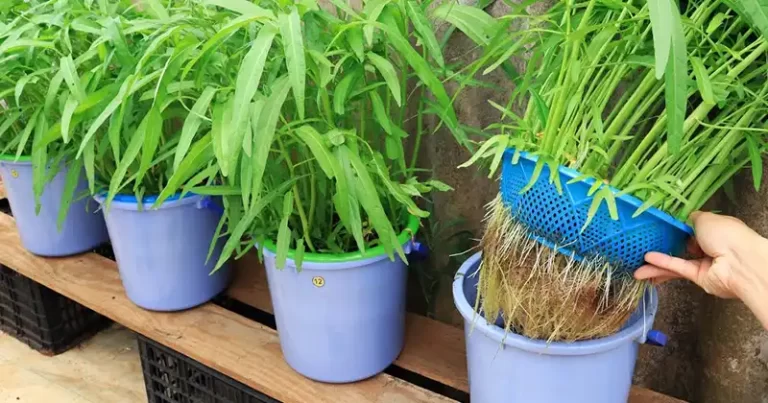
Are you interested in growing your own fresh, healthy vegetables, but don’t have a garden or access to traditional soil-based gardening? Hydroponics could be the perfect solution for you. Hydroponic gardening allows you to grow a wide variety of vegetables indoors or on small balconies without soil. In this article, we’ll explore a very simple hydroponic gardening method using baskets and buckets, allowing everyone to enjoy the benefits of home-grown produce.
What is hydroponics?
Hydroponics is a soil-free gardening technique that uses water and nutrient solutions to grow plants. Instead of relying on soil to provide plants with essential nutrients, hydroponic systems deliver these nutrients directly to the plant roots, resulting in faster growth and healthier plants. There are several methods of hydroponic gardening, and one of the simplest and most accessible options is the “baskets and buckets” method.
To start
To start your own hydroponic garden using baskets and buckets, you will need a few basic supplies:
Containers: You will need buckets or baskets to hold your plants and growing medium. Make sure they have drainage holes in the bottom.
Growing medium: Common options include coco fiber, perlite, or vermiculite. Growing medium supports plants and helps distribute nutrients.
Nutrient Solution: Hydroponic nutrient solutions are readily available and provide essential minerals for plant growth. Follow the manufacturer’s mixing instructions.
pH Test Kit: A pH test kit is crucial to ensure that the pH level of the nutrient solution is suitable for your plants.
Plants: Choose vegetables that thrive in hydroponic systems. Some popular options include lettuce, herbs, cherry tomatoes, and cucumbers.
The steps to success
Prepare your containers: Fill your containers with your chosen growing medium, leaving enough space at the top for planting. Make sure there are drainage holes in the bottom.
Planting: Plant your chosen vegetables in the growing medium. Be sure to follow the spacing recommendations for each plant type.
Nutrient Solution: Mix your hydroponic nutrient solution according to the instructions. Use a pH test kit to adjust the pH level to the recommended range for your chosen plants.
Feeding: Feed your plants regularly with the nutrient solution. The frequency and amount will depend on the type of plant and the specific nutrient solution you are using.
Lighting: Hydroponic plants require adequate light. If you don’t have access to natural sunlight, consider using LED grow lights to ensure your plants receive the light they need for healthy growth.
Monitoring: Keep a close eye on your plants. Look for any signs of nutrient deficiencies, pests, or diseases and correct them promptly.
Benefits of Baskets and Buckets for Hydroponics
Space Efficiency: Baskets and buckets take up minimal space, making hydroponic gardening possible for apartment dwellers and those with limited outdoor space.
Water efficiency: Hydroponics uses much less water than traditional soil-based gardening.
Year-Round Gardening: With proper lighting and environmental control, you can enjoy fresh vegetables year-round.
Fast Growth: Plants in hydroponic systems generally grow faster than those in soil, resulting in faster harvests.
Controlled environment: You have complete control over growing conditions, including nutrient levels and pH, which can result in healthier, more vigorous plants.
Conclusion
Growing hydroponic vegetables at home using the basket and bucket method is a great way to enjoy fresh, healthy produce, no matter your living situation. With a small investment in equipment and a little dedication, you can become a successful hydroponic gardener. So why not give it a try? Start your hydroponic journey today and enjoy the taste of homegrown goodness all year round.