
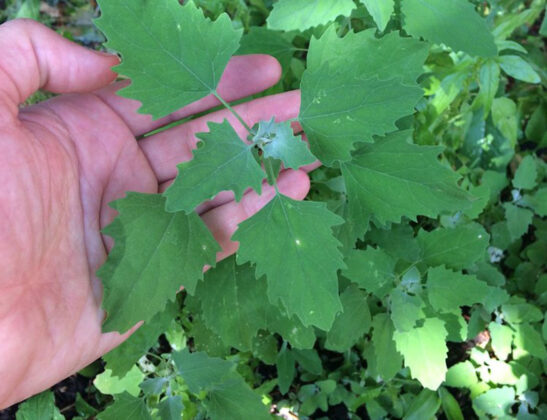
Lamb’s quarters, scientifically known as Chenopodium album and also called wild spinach, goosefoot, or pigweed, is a multifunctional herb steeped in a rich history of culinary and medicinal applications. Often dismissed as an ordinary weed, this unassuming green plant harbors a plethora of health-promoting properties, making it a remarkable inclusion in any herbal diet and wellness repertoire.
lambskin 1
Health potentials:
Nutritional Facts: Lamb’s quarters are a nutrient-dense superfood, packed with essential vitamins and minerals such as A, C, and K, along with calcium, iron, magnesium, and potassium. This makes them a strategic dietary supplement for improving health.
Antioxidant Properties: It is rich in antioxidants like beta-carotene and quercetin, which help protect cellular structures from oxidative damage and potentially mitigate the risk of chronic diseases, including cancers and cardiovascular diseases.
Anti-inflammatory Agent: Demonstrating anti-inflammatory capabilities, lamb’s quarters could be a viable natural remedy for inflammatory conditions such as arthritis and inflammatory bowel disease, potentially alleviating inflammation and easing symptomatic discomfort.
Digestive Aid: Historically, it has been used to promote digestive well-being. The plant’s high fiber content helps normalize intestinal function, prevent constipation, and promote gut health.
Weight Management Ally: Its substantial fiber content can induce satiety, potentially reducing calorie consumption, thus providing a supportive element in weight management efforts.
Blood Sugar Moderator: Preliminary studies indicate the potential of lamb’s quarters to modulate blood sugar, positioning it as a promising natural supplement for diabetics or those predisposed to this disease.
Culinary incorporations:
goosefoot
Salad component: Young leaves can make a refreshing and slightly tangy addition to salads. They can be used raw or blanched to accent various salad preparations, alone or mixed with other green vegetables.
Green Cooking Substitute: It can be substituted for spinach or kale in cooking, whether sautéed or steamed, providing a tasty and nutritious addition to meals.
Smoothie enhancer: Incorporating lamb quarters into smoothies can give them additional nutritional value, blending well with the sweet profiles of the fruits.
Soup and Stew Enhancer: Its adaptability extends to soups and stews, where its inclusion can enrich both the flavor and nutritional essence of dishes.
Medicinal uses:
Herbal Infusion: An infusion of its leaves can be a soothing digestive elixir, potentially relieving indigestive discomfort and oxidative stress in the body.
Topical poultice: A poultice made from its leaves can be a soothing remedy for skin irritations, soothe bites, rashes, and minor burns.
Concentrated Tincture: For more potent medicinal applications, tinctures can be prepared, but caution and professional consultation are advised, especially when used concomitantly with medications or by individuals with existing health conditions.
Precautions and considerations:
Accurate identification: Correct identification is crucial to prevent the consumption of species that mimic harmful species.
Allergy alert: A gradual introduction is recommended to monitor for potential allergic reactions.
Purity at harvest: Guarantee a harvest on uncontaminated land and without chemicals.
Professional Consultation: Prior consultation with healthcare providers or certified herbalists is essential when considering its medicinal uses, especially for individuals with ongoing health conditions or those taking medications.
goosefoot album
Lamb’s Quarters, once overlooked, is now gaining new recognition for its numerous health benefits and culinary versatility. Whether the goal is to improve nutritional intake, manage specific health concerns, or explore new culinary delights, lamb’s quarter stands out as a multifaceted herb that deserves careful exploration, careful consideration, and consultation for its medicinal applications.