
Orchids are renowned for their exquisite beauty and exotic allure. Their vibrant colors and delicate, elegant blooms can brighten any space. However, once the initial bloom cycle is over, many orchid owners wonder if they’ll ever see those enchanting flowers again. The good news is that with a little care and attention, you can encourage your orchid to bloom again and restore your home to its former glory. In this guide, we’ll reveal the secrets to getting your orchid to put on a stunning encore performance.
orchids 1
Proper Light and Placement: The first step to getting your orchid to bloom again is to provide it with the right amount of light. Orchids generally thrive in bright, indirect light. Place your orchid near a window with filtered sunlight, ensuring it receives adequate, but not harsh, light exposure. Avoid direct sunlight, which can burn the delicate leaves.
Temperature and humidity: Orchids are sensitive to temperature changes, so maintaining a consistent climate is crucial. Most orchids prefer temperatures between 60°F and 80°F (15°C and 27°C) during the day and slightly cooler temperatures at night. Additionally, orchids thrive in higher humidity levels. To achieve this, you can place a tray of water near your orchid or use a humidifier.
Proper Watering Techniques: Overwatering is one of the most common mistakes when caring for orchids. Water your orchid thoroughly when the potting mix feels almost dry to the touch, usually every 7 to 10 days. Ensure good drainage in the pot to prevent water from pooling at the roots, which can lead to root rot. It is better to underwater your orchid than to overwater it.
Fertilize wisely: Orchids benefit from regular feeding but should not be overfertilized. Use a balanced orchid fertilizer diluted to half strength and apply it every 2 to 4 weeks during the growing season (spring and summer). Reduce or eliminate fertilizer during the dormant phase in fall and winter.
Pruning and Care: Once your orchid has finished blooming, remember to cut off any faded flower spikes near the base. This encourages the plant to redirect its energy toward producing new flowers. Also, inspect the orchid for any damaged or dead leaves and carefully remove them.
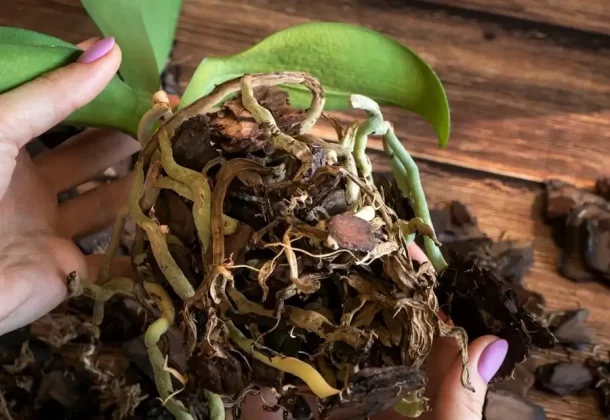
Repot as needed: Orchids generally need to be repotted every 2-3 years. When you notice that the potting mix has decomposed or the orchid has outgrown its container, it’s time to repot. Use a specialized orchid potting mix and a slightly larger pot to give your orchid room to grow.
Patience and Perseverance: Finally, getting your orchid to bloom again requires patience. Orchids follow their natural growth cycles, and it can take several months, or even a year, before you see new blooms. Take care, and your patience will be rewarded with a stunning display of orchid flowers.
orchids 2
Bottom Line: Reviving your orchid to bloom again is a rewarding journey that requires a little knowledge, care, and dedication. By providing the right conditions, maintaining a consistent care routine, and being patient, you can enjoy the beauty of your orchid’s blooms again and again. So, follow these tips, and soon you’ll be witnessing the magic of your orchid’s rebirth and adding elegance to your living space.