
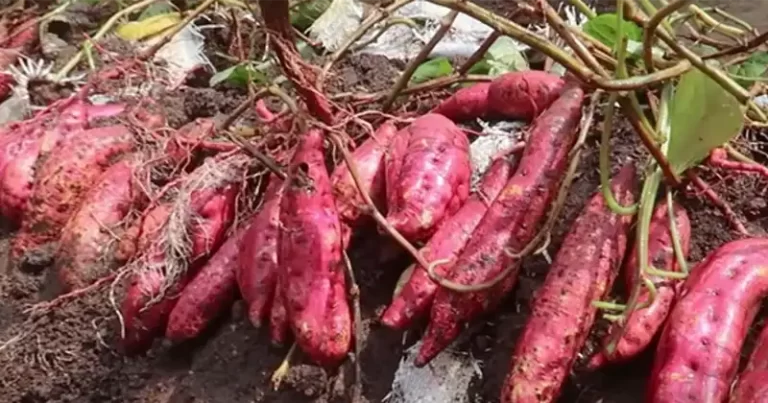
Sweet potatoes are a delicious and nutritious addition to your vegetable garden. Their ease of growing and generous yield make them a splendid choice for gardeners of all skill levels. Whether you have limited space or poor soil conditions, growing sweet potatoes using soil bags is the solution. This all-inclusive guide will walk you through the step-by-step process of successfully growing sweet potatoes in soil bags.
Essential materials:
Before you start growing sweet potatoes, make sure you gather the following items:
Sweet potato leaves (rooted seedlings)
Bags of soil (or large grow bags)
A quality potting soil or a mixture of compost and garden soil
Watering can or garden hose with a soft spray nozzle
Fertilizer suitable for root vegetables
Garden trowel or hand shovel
Stakes or trellis (optional)
Mulch (straw or leaves)
Step 1: Choose the ideal location
Select a sunny spot in your garden where your sweet potatoes can enjoy at least 6 to 8 hours of sunlight per day. Make sure this area has good drainage to avoid waterlogging, as sweet potatoes are averse to saturated soil.
Step 2: Preparing the bags of soil
If you opt for commercial soil or grow bags, fill them with high-quality potting soil, leaving a few inches of space at the top. Alternatively, you can make your own mix by mixing equal parts compost and garden soil. Sweet potatoes thrive in loose, well-drained soil, so make sure your mix is well-aerated.
Step 3: Planting Sweet Potato Cuttings
Sweet potato cuttings, which are young, rooted plants, can be purchased from a nursery or grown from sweet potatoes at home. Plant these cuttings about 4 to 6 inches deep in the bags of soil, spacing them 12 to 18 inches apart. Place each cutting vertically with the roots facing down and the leafy portion above the soil surface.
Step 4: Proper Watering
Sweet potatoes require consistent moisture, so regular watering is essential to maintain evenly moist soil without oversaturation. It is recommended to water them early in the morning to allow the leaves to dry during the day, reducing the risk of fungal diseases.
Step 5: Fertilization
Feed your sweet potatoes with a balanced, slow-release fertilizer. Apply it according to the package instructions, usually a few weeks after planting and periodically throughout the growing season. Be careful not to overfertilize, as this can lead to excessive foliage growth and smaller tubers.
Step 6: Optional Support and Trellis
For those with limited garden space or who want to encourage larger sweet potatoes, consider installing stakes or trellises. You can gently secure the vines to these supports as they grow, which also makes harvesting more manageable.
Step 7: Mulching
To retain soil moisture and suppress weed growth, apply a layer of mulch around your sweet potato plants. Suitable mulch materials include straw, leaves, or even black plastic. Make sure the mulch doesn’t come into direct contact with the stems to prevent rot.
Step 8: Harvest
Sweet potatoes are generally ready to harvest about 100 to 120 days after planting, depending on the variety and growing conditions. Carefully dig around the base of the plant and gently lift the tubers from the soil, taking care not to damage them in the process.
Step 9: Curing and Storage
After harvesting, sweet potatoes must undergo a curing process to enhance their flavor and heal minor injuries. Place them in a warm, humid place (80-90°F or 27-32°C) for approximately 10 to 14 days. After curing, store your sweet potatoes in a cool, dark place with adequate ventilation to extend their shelf life.
https://youtube.com/watch?v=IrvM44C6rU0%3Ffeature%3Doembed
Growing sweet potatoes in bags of soil is a great way to enjoy this nutritious and flavorful root vegetable, even in confined spaces or less-than-ideal soil conditions. Armed with the right equipment and diligent care, you can successfully grow your own sweet potatoes at home. Follow this step-by-step guide, and before you know it, you’ll be indulging in your own home-grown sweet potatoes. Happy gardening!