
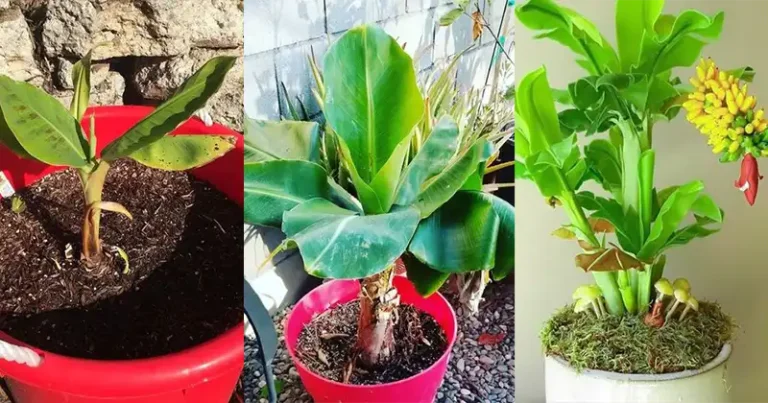
on A guide to planting, growing and caring for potted dwarf banana trees at home
share 1
Potted dwarf banana trees (Musa spp.) are a popular choice for indoor and patio gardening due to their compact size and potential to produce small, edible bananas. These tropical plants can thrive in containers, allowing gardeners in various climates to enjoy the beauty of their lush foliage and even harvest their own bananas. In this comprehensive guide, we’ll walk you through the steps to successfully plant, grow, and care for potted dwarf banana trees at home.
Choosing the right banana variety:
Before you get started, it’s essential to choose the right potted dwarf banana tree variety for your home. Some popular choices include:
Dwarf Cavendish: This variety is one of the most common and produces small, sweet bananas.
Super Dwarf Cavendish: Even more compact than the Dwarf Cavendish, this variety is suitable for small spaces.
Dwarf Brazilian: Known for its ornamental appeal and vibrant green leaves.
Choosing the right container:
Choosing the right container is crucial for the health and growth of your potted dwarf banana tree. Here’s what you need to consider:
Pot Size: Choose a pot that is at least 12 to 18 inches in diameter with drainage holes in the bottom. A larger pot allows for better root development and stability.
Material: Choose a sturdy, well-draining container made from materials like terracotta, plastic, or ceramic.
Mobility: Make sure the potty has handles or is on a rolling base for easy mobility, as you may need to move it indoors during the colder seasons.
Soil and planting:
Banana trees prefer well-drained, nutrient-rich soil. Here’s how to plant your dwarf banana tree in a pot:
Soil Mix: Use a 2:1 mix of potting soil and organic compost to create a rich, well-drained growing medium.
Planting Depth: Plant your banana tree so that the top of the root ball is level with the soil surface.
Fertilization: Add a balanced, slow-release fertilizer during planting and replenish every 2-3 months during the growing season.
Sunlight Requirements:
Banana trees thrive in full sun, so place your potted banana plant in a spot that receives at least 8 to 10 hours of direct sunlight per day. If growing indoors, consider placing it near a south-facing window or using grow lights to supplement natural light.
Watering and humidity:
Maintaining proper humidity levels is crucial for banana plants. Here’s how to ensure adequate watering and humidity:
Watering: Keep the soil constantly moist but not waterlogged. Water when the top inch of soil feels dry to the touch and ensure adequate drainage to prevent root rot.
Humidity: Banana plants prefer high humidity levels. To increase humidity, mist the plant regularly or use a humidity tray filled with water and pebbles placed near the plant.
Temperature and environment:
Banana trees are tropical plants and require specific temperature and environmental conditions:
Temperature: They thrive in warm temperatures between 75°F and 85°F (24°C to 29°C) during the day and not less than 50°F (10°C) at night.
Protection: If you live in a cold climate, move your banana plant indoors during the winter or protect it from frost and cold winds.
Size and maintenance:
Regular maintenance helps your potted dwarf banana tree grow healthier and look more attractive:
Pruning: Cut off damaged or dead leaves to encourage new growth and maintain the desired shape.
Fertilization: Continue to fertilize during the growing season, but reduce or stop feeding during the winter months.
Repotting: Repot your banana tree into a slightly larger container every 2-3 years to avoid root-related conditions.
Pest and disease control:
Banana plants can be susceptible to pests such as aphids, mealybugs, and spider mites, as well as diseases such as fungal leaf spot. Inspect your plant regularly for signs of infestation or disease and treat it promptly with appropriate remedies, such as neem oil or insecticidal soap.
Banana harvest:
If you properly care for your potted dwarf banana tree, it can produce small bananas. These can be harvested when they turn yellow and feel slightly soft to the touch. Gently twist or cut the clump off the plant.
Conclusion:
Growing dwarf banana trees in pots at home can be a rewarding and enjoyable experience. With the right care, you can enjoy the lush foliage and even harvest your own small bananas. Remember to provide the right conditions, including sunlight, water, and humidity, while protecting your plant from pests and diseases. With a little patience and attention, your banana tree can thrive and become a beautiful addition to your indoor garden or patio.