
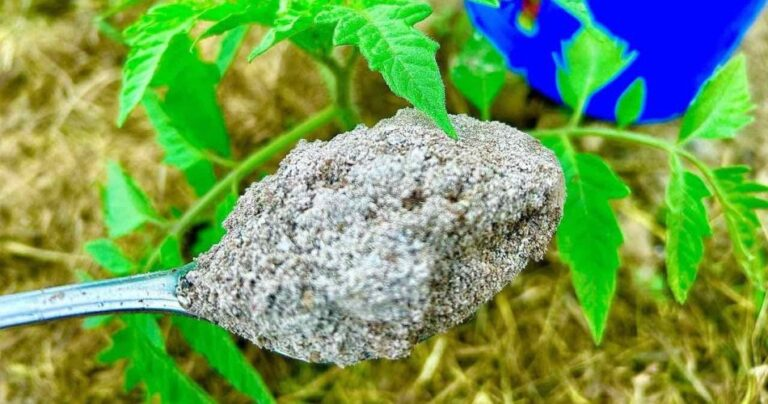
Almost everyone has it at home and it’s a natural bomb for healthy native plants
Did you know there’s a waste product that can be used as fertilizer for your plants? Let’s find out what it is.
Getting free fertilizer for your plants can be done by using something almost all of us have at home.
How to fertilize plants
For plants to grow, they need to be fertilized from time to time. Plant fertilization is an important aspect of promoting healthy and vigorous plant growth.
Fertilization can be done during the plants’ active growing season. This is usually spring and summer. Avoid fertilizing during winter or when plants are dormant.
You can apply fertilizer in different forms, such as granules, powders, or liquids. In addition to chemical fertilizers, consider using organic fertilizers such as compost or manure, which can provide long-term plant nutrients and improve soil health. Using organic fertilizers also contributes to environmental sustainability.
Below, let’s discover how to create one with an ingredient many of us have at home. Curious about it?
Factory
Fertilizer at no cost
They can be fed organically and naturally. The fertilizer in question, which those with fireplaces often find themselves throwing away, is ash, the one generated by burning wood.
It is high in potassium, phosphorus, calcium, and magnesium , and contributes to soil fertility. Calcium keeps soil healthy and prevents blossom rot. Potassium is important for maintaining plant yield.
For example, ash plays a very important role in growing vegetables like tomatoes. In fact, if the soil where they are grown lacks potassium, tomatoes can grow with patches.
Magnesium, on the other hand, is used by tomato leaves to stay green and better absorb sunlight. If the leaves are yellow and curly, it means the soil is lacking in magnesium.
Wood ash
Among the other properties of wood ash, its ability to act as a repellent stands out. Indeed, the presence of salt discourages the presence of aphids and snails, as well as other pests. However, this substance loses its repellent function when wet. Therefore, the application must be repeated over time to ensure the effect.
Wood ash can be used as a repellent by simply sprinkling it at the base of the seedlings. Of course, it should never be used hot.
If, on the other hand, we use it as fertilizer, it will have to be added to the soil. To enhance its effects, horsetail leaves can be added. This plant, although a weed, contains countless elements useful for growth such as manganese and magnesium.