
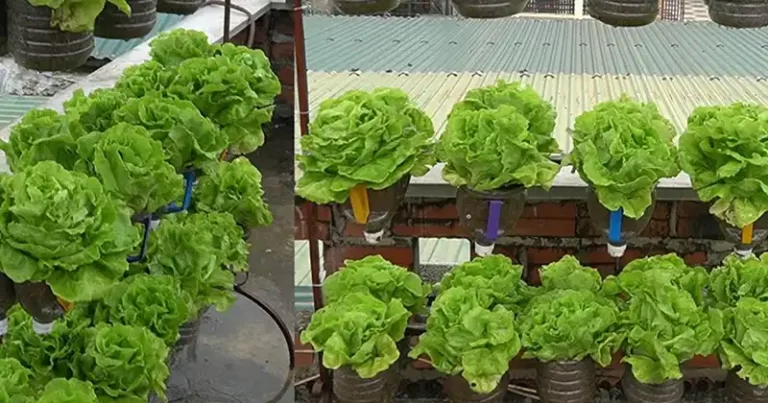
If you’re a fan of fresh salads and want to enjoy the crisp, green goodness of lettuce right in your own home, container gardening is a fantastic option. Growing lettuce in pots is easy, even for beginners, and it allows you to have a constant supply of this leafy green throughout the growing season. In this guide, we’ll walk you through the step-by-step process of growing lettuce at home in containers.
Choose the right container
The first step to successfully growing lettuce in containers is selecting the right container. Here are some factors to consider:
Size: Choose containers that are at least 6 to 8 inches deep to provide plenty of room for lettuce roots to grow. Width can vary depending on your available space.
Material: Containers can be made from a variety of materials, such as plastic, ceramic, or wood. Make sure the container has drainage holes in the bottom to prevent the soil from becoming waterlogged.
Location: Place your containers in a location that receives 6 to 8 hours of sunlight per day. Lettuce prefers partial to full sun, but can tolerate some shade.
Select the right variety of lettuce
There are several varieties of lettuce to choose from, including butterhead, romaine, looseleaf, and crisp lettuce. For container gardening, looseleaf and romaine varieties are recommended, as they are more space-efficient and well-suited to smaller containers.
Potting soil and planting
Use a high-quality, well-draining potting soil rich in organic matter. Fill your container with the soil, leaving about an inch of space at the top.
Sow lettuce seeds or transplant young lettuce plants into the container. For seeds, follow the spacing recommended on the seed packet, usually 4 to 6 inches apart. If transplanting seedlings, space them accordingly.
Gently press the seeds into the soil or pat the soil around the seedlings.
Watering and maintenance
Keep the soil constantly moist but not waterlogged. Lettuce prefers evenly moist conditions, so water whenever the top inch of soil feels dry.
Mulch the soil surface with a layer of organic mulch, such as straw or shredded leaves. Mulch helps retain soil moisture and regulates soil temperature.
Fertilize your lettuce plants with a balanced liquid fertilizer every 2-3 weeks. Follow the package instructions for recommended dosage.
Pest and disease management
Lettuce can be susceptible to certain pests such as aphids and slugs. Monitor your plants regularly for any signs of pests or disease and act quickly. You can use organic insecticides or apply neem oil to deter common pests.
Harvesting lettuce
Lettuce can be harvested when the leaves reach a size that you find attractive. You can either harvest individual leaves from the outer part of the plant or cut the entire head off at the base. Harvest in the morning for optimal flavor and texture.
Conclusion
Growing lettuce at home in containers is a rewarding experience that allows you to enjoy fresh, crisp greens all season long. With the right container, soil, and care, you can have a thriving lettuce garden on your balcony, patio, or even your windowsill. So, start your container lettuce garden today and enjoy the taste of homegrown salads. Happy gardening!