
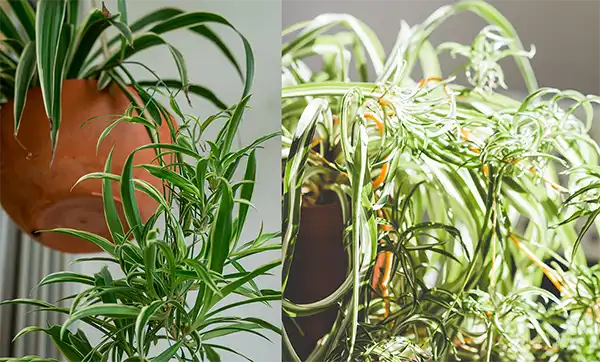
When it comes to houseplants, the spider plant (Chlorophytum comosum) stands out as a popular and versatile choice. With its striking appearance and numerous benefits, this green wonder has rightfully earned its place as an indoor gardening staple. Often recognized for its unique foliage and ease of care, the spider plant offers many benefits that go beyond simple aesthetics. In this article, we examine the various benefits the spider plant brings to your home.
Air purification
One of the most significant benefits of having spider plants in your home is their exceptional air-purifying qualities. Spider plants are known for their ability to naturally purify the air by absorbing harmful pollutants like formaldehyde, xylene, and toluene. These toxins are commonly found in household items such as paints, adhesives, and furniture. By placing spider plants in your living spaces, you can help create a healthier indoor environment for you and your loved ones.
Improved air humidity
Maintaining proper indoor humidity levels can be challenging, especially in dry environments or during the colder months when heating systems are in use. Spider plants have the unique ability to release moisture into the air through a process called transpiration. This can help increase humidity levels and alleviate problems such as dry skin, irritated eyes, and respiratory discomfort.
Ease of maintenance
For both experienced gardeners and beginners, the spider plant is a low-maintenance choice that thrives in a variety of conditions. Its adaptability to varying light levels, from indirect sunlight to partial shade, makes it ideal for virtually any room in your home. Spider plants are also forgiving when it comes to watering, as they can tolerate occasional missteps without long-term damage.
Natural Decoration
Beyond their functional benefits, spider plants add a touch of natural beauty to indoor spaces. With their arching leaves that feature a striking green and white striped pattern, they can complement various interior design styles. Whether you place them in hanging baskets, on shelves, or as stand-alone floor plants, spider plants effortlessly enhance the aesthetics of your home.
Propagation made simple
Spider plants are known for their prolific reproduction. They produce “spiders,” or small plantlets, that hang from arching stems. These spiders can be propagated effortlessly by placing them in water until they develop roots, then transferring them to soil. This ease of propagation not only allows you to expand your collection, but also makes spider plants an excellent choice to share with friends and family.
Non-toxic to pets
For households with four-legged friends, the spider plant offers peace of mind. Unlike some other houseplants, spider plants are non-toxic to cats and dogs. This means you can enjoy the benefits of greenery without worrying about your pets ingesting harmful substances.
Conclusion
The spider plant is indeed a gift from nature that brings many benefits to your home. From its air-purifying and humidity-regulating qualities to its aesthetic appeal and ease of care, this plant adds a touch of natural beauty while contributing to a healthier indoor environment. Whether you’re a seasoned plant enthusiast or a beginner looking to introduce more greenery into your living spaces, the spider plant is a versatile and enriching choice that continues to captivate hearts around the world.