
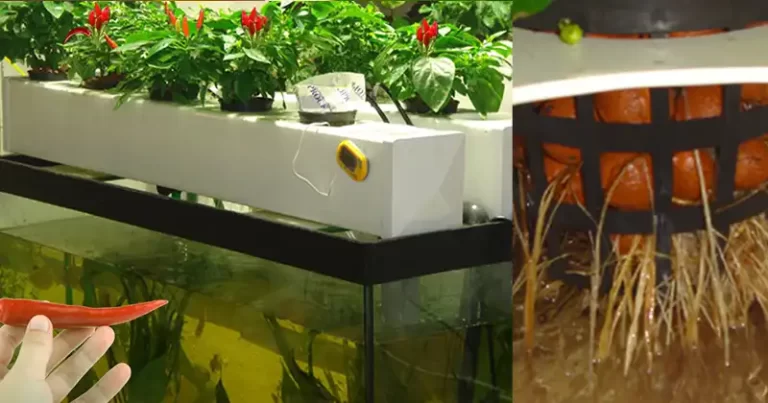
Aquaponics is an innovative and sustainable method of growing plants while raising aquatic animals in a closed-loop system. In this DIY guide, we’ll show you how to set up your own aquaponics system over an aquarium to grow vibrant chili peppers. This system is not only a fantastic way to produce nutrient-rich organic produce, but also a captivating addition to your home. Let’s dive into the world of aquaponics and learn how to create your own chili pepper garden.
The necessary materials
Before you begin, you will need the following materials:
An aquarium: Choose an aquarium of appropriate size, depending on the space you have and the number of chili plants you want to grow.
Grow Bed: You can use a tightly fitting container over your aquarium. This will serve as a grow bed for your chili peppers. Make sure it is made of safe, non-toxic materials.
Growing medium: Select an appropriate growing medium for your peppers. Expanded clay pebbles or gravel are excellent options. They support the plants and aid aeration.
Chili Pepper Seedlings: You’ll need chili pepper plants to start your aquaponics garden. Choose your favorite varieties, whether mild jalapeños or fiery habaneros.
Aquatic Animals: Small fish like tilapia are a popular choice for aquaponics. They will provide the necessary nutrients for your plants.
Water Pump: A submersible water pump is needed to circulate water between the aquarium and the grow bed.
Tubing and connectors: These are essential for creating a water flow system from the aquarium to the grow bed and vice versa.
Beneficial bacteria: These are essential for converting fish waste into plant-friendly nutrients. You can purchase a bacterial supplement to kick-start the process.
Setting up your aquaponic system
Choose your location: Find a suitable location for your aquaponics system. It should receive sufficient sunlight or be equipped with grow lights to support the growth of the pepper.
Prepare the grow bed: Fill your grow bed with your chosen growing medium (expanded clay pebbles or gravel) to the desired depth. Make sure the bed is level and covers the entire top of the aquarium.
Plant your peppers: Gently transplant your pepper plants into the grow bed. Make sure they are properly spaced to allow for growth and access to sunlight.
Set up the water flow system: Place the submersible water pump in the aquarium. Use tubing and connectors to create a flow system that moves water from the aquarium to the grow bed. Ensure the water circulates through the growing medium, providing nutrients to your chili plants.
Add your aquatic pets: Introduce your favorite fish to the aquarium. Remember to feed them regularly to ensure they produce waste that can be converted into nutrients for the plants.
Monitor water quality: Regularly check water quality, temperature, and pH levels to ensure a healthy environment for fish and plants. Aerate the water as needed.
Beneficial bacteria: If you’re starting with a new system, you may need to introduce beneficial bacteria to help break down fish waste into plant-friendly nutrients. Follow the manufacturer’s instructions for your bacterial supplement.
Maintenance: Keep an eye on your pepper plants as they grow. Prune, harvest, and maintain the system to ensure optimal plant growth.
Benefits of Aquaponic Chili Pepper Growing
Nutrient-Rich Produce: Aquaponics provides your chili plants with nutrient-rich organic water, resulting in healthier, tastier produce.
Sustainable gardening: This closed-loop system minimizes water consumption and fish waste serves as a natural fertilizer, eliminating the need for chemical additives.
Year-Round Growing: Aquaponics allows for year-round growing, allowing you to enjoy fresh chilies in any season.
Space saving: Aquaponic systems are compact and can be installed in limited spaces, making them ideal for urban environments.
Conclusion
By creating your own aquaponics system to grow chili peppers over an aquarium, you’re not only adopting a sustainable and innovative gardening method, but you’re also ensuring a fresh supply of hot peppers. Enjoy the beauty of this closed-loop ecosystem and savor the delicious chili peppers it produces. With a little patience and care, you can create a mini-oasis of greenery in your own home, while contributing to a more environmentally friendly world. Happy gardening!