
on Essential Nutrients for Your Garden: A Guide to Harvesting Them Naturally
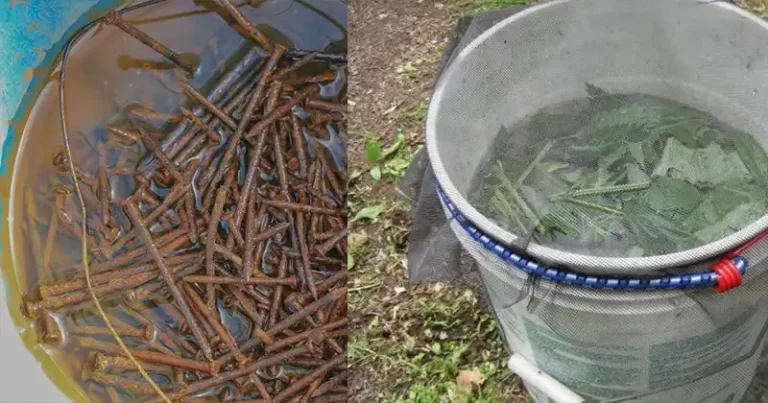
A blooming garden is every gardener’s dream. To make this dream a reality, you need to understand the essential nutrients your plants need and learn how to provide them naturally. In this comprehensive guide, we’ll explore the key nutrients your garden needs and how to harvest them from natural sources, helping you create a thriving and sustainable garden. 1. Nitrogen: The Backbone of Plant Growth Importance of Nitrogen: Nitrogen is the cornerstone of plant development, responsible for lush foliage, green leaves, and overall plant growth. It’s a key player in photosynthesis and is crucial to the success of your garden. Natural Harvest Method 1: Create a “weed tea fertilizer” by soaking garden waste or grass clippings in water until they take on a light, earthy scent. Dilute this nutrient-rich tea before use to give your plants a natural boost of nitrogen. Natural Harvest Method 2: Collect kitchen scraps like fruit and vegetable peels. Mix them with water to create a nutrient-rich slurry. This organic mixture can be applied to the base of your plants as a natural nitrogen fertilizer. 2. Iron: The Key to Lush Green Foliage Importance of Iron: Iron is the secret to vibrant green leaves because it is a crucial component of chlorophyll, the pigment that fuels photosynthesis and plant vitality. Natural Harvest Method 1: Create your own liquid iron nutrient by letting metallic iron rust in water. This DIY solution, although time-consuming, can be a rewarding and cost-effective way to provide natural iron to your plants. Natural Harvest Method 2: Make a batch of compost tea by steeping the compost in water. The resulting liquid can serve as a natural source of iron when applied to your plants’ leaves. 3. Phosphorus: Fuels Flower and Fruit ProductionImportance of Phosphorus: Phosphorus is essential for flower and fruit development, root growth, and efficient energy transfer within plants. It is an essential nutrient for a bountiful garden. Natural Harvest Method 1: Use crushed, dried banana peels as a natural source of phosphorus. Simply sprinkle the peels around the base of your plants to naturally enrich the soil. Natural Harvest Method 2: Save your coffee grounds and scatter them around your plants. Coffee grounds not only provide phosphorus but also improve soil texture.4. Magnesium: The Partner of PhotosynthesisImportance of Magnesium: Magnesium is a key component of chlorophyll, supporting the photosynthesis process and overall energy production in plants. Natural Harvest Method 1: Epsom salt, readily available in stores, is an excellent source of magnesium. Dissolve it in water and apply it to your plants for a natural magnesium supplement. Natural Harvest Method 2: Crush eggshells, a natural source of magnesium and calcium, and sprinkle the crushed shells around your plants to naturally enrich the soil. 5. Potassium: Strengthening Plant StructureImportance of Potassium: Potassium plays a vital role in building strong cell walls, increasing resilience to stress and facilitating the transport of water and nutrients in plants. Natural Harvest Method 1: Save wood ashes from your fireplace or fire pit. These ashes are rich in potassium. Mix them with water to create a natural potassium-rich liquid for your garden. Natural Harvest Method 2: Consider using fireplace or barbecue ashes, which are also rich in potassium. Sprinkle them around your plants to naturally increase their potassium intake. Conclusion Creating a thriving garden is within your grasp, and it starts with understanding the essential nutrients your plants need and how to harvest them naturally. With proper nutrient management and natural sourcing techniques, your garden will reward your efforts with vibrant flowers, abundant fruit, and healthy, lush foliage. This guide has equipped you with the knowledge and skills to naturally create a sustainable and thriving garden.