
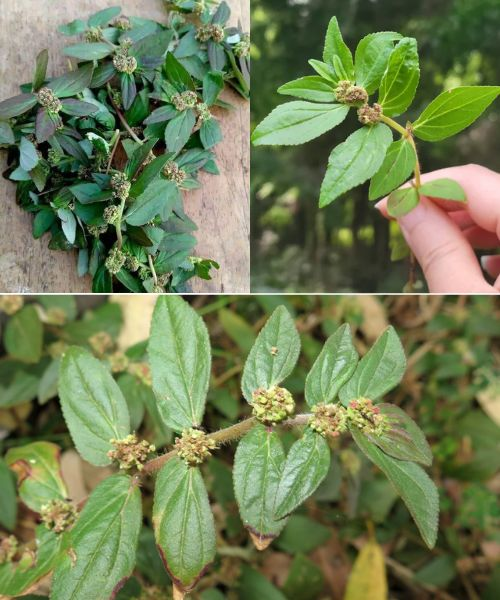
uphorbia hirta, commonly known as the asthma plant, has long been valued in traditional medicine for its wide range of health benefits. Found in many tropical and subtropical regions, this herbaceous plant is known for its ability to address respiratory ailments, digestive issues, and even skin problems. In this article, we’ll explore the traditional uses, application methods, and scientific insights into Euphorbia hirta to better understand its therapeutic potential.

What Is Euphorbia hirta?
Euphorbia hirta is a herbaceous plant often spotted in open fields, gardens, and roadside areas. The plant’s leaves and stems produce a white latex sap, which has been traditionally used in folk medicine. Known for its slightly bitter taste, Euphorbia hirta is rich in bioactive compounds such as flavonoids, tannins, and phenolic acids, all of which contribute to its medicinal properties.
Traditional Uses of Euphorbia hirta
For centuries, Euphorbia hirta has been used in various traditional medicine systems across Asia, Africa, and South America. Here are some of its well-known applications:
1. Respiratory Health
- Asthma Relief: As its nickname, the asthma plant, suggests, Euphorbia hirta is widely recognized for its role in alleviating asthma symptoms. Traditionally, extracts from the plant have been used to relax bronchial muscles, helping to ease breathing and reduce wheezing.
- Cough and Cold Remedy: Euphorbia hirta is also employed in treating common respiratory issues such as coughs and colds, where it acts as an expectorant, helping to clear mucus from the lungs.
2. Digestive Aid
- Treating Gastrointestinal Issues: In traditional medicine, Euphorbia hirta is used to address various digestive problems, including diarrhea, dysentery, and stomach cramps. Its natural compounds help soothe the digestive tract and reduce inflammation, providing relief from stomach discomfort.
- Antimicrobial Properties: The plant has mild antibacterial and antifungal properties, which can be effective in treating infections that cause digestive disturbances.
3. Skin and Wound Healing
- Topical Applications: The sap from Euphorbia hirta is often applied to skin infections, wounds, and boils. It’s known for its antiseptic and anti-inflammatory properties, which aid in faster wound healing and help protect against infections.
- Eczema and Skin Irritations: In some traditional practices, Euphorbia hirta is used to soothe skin irritations, including eczema and rashes, by reducing inflammation and promoting skin health.
4. Pain Relief and Anti-inflammatory Uses
- Arthritis and Joint Pain: Traditional healers sometimes prescribe Euphorbia hirta for arthritis pain relief due to its anti-inflammatory effects, which help reduce joint swelling and discomfort.
- Headache Relief: The plant is also reputed to alleviate headaches, possibly due to its muscle-relaxant effects.
Methods of Application
There are several ways to use Euphorbia hirta, depending on the health issue being treated:
- Herbal Teas: One of the most common ways to consume Euphorbia hirta is as an herbal tea. The dried leaves and stems are steeped in hot water to create a tea that can be taken to relieve asthma, coughs, or digestive discomfort.
- Tinctures and Extracts: Euphorbia hirta extracts are available in liquid form, often used for a more concentrated dose. A few drops can be diluted in water and consumed for its therapeutic effects.
- Topical Application: The latex sap of Euphorbia hirta can be directly applied to minor wounds, skin infections, and irritations, although it’s recommended to consult with a professional before topical use to prevent skin reactions.
- Capsules and Supplements: In some herbal stores, Euphorbia hirta is available in capsule form, providing a convenient way to ingest the plant’s beneficial compounds.
Scientific Insights into the Benefits of Euphorbia hirta
Recent scientific research has explored the bioactive compounds in Euphorbia hirta, supporting some of its traditional uses:
- Anti-inflammatory and Antioxidant Properties: Studies indicate that the flavonoids in Euphorbia hirta help reduce inflammation and neutralize free radicals, which can be beneficial for respiratory, digestive, and skin health.
- Antibacterial and Antifungal Effects: Research shows that Euphorbia hirta’s phenolic acids and tannins have antimicrobial properties, helping fight against common pathogens responsible for infections.
- Bronchodilator Activity: Animal studies have demonstrated that Euphorbia hirta may have a bronchodilatory effect, supporting its traditional use in asthma treatment by relaxing the airways and easing breathing.
Safety and Precautions
While Euphorbia hirta is generally considered safe, it’s essential to use it responsibly:
- Consult a Health Professional: Before starting any new herbal remedy, especially for serious conditions like asthma, consult a healthcare provider.
- Avoid Excessive Use: High doses of Euphorbia hirta can cause adverse reactions, such as nausea or vomiting.
- Allergic Reactions: Some individuals may experience skin sensitivity to Euphorbia hirta’s latex sap. It’s best to do a patch test before using it topically.
Final Thoughts
Euphorbia hirta, or the asthma plant, is a remarkable herb with numerous health benefits rooted in traditional medicine. Its applications in respiratory, digestive, and skin health make it a valuable natural remedy. As more research supports its effects, Euphorbia hirta continues to gain recognition as a versatile herb that contributes to wellness in various ways. Whether used as tea, topical treatment, or tincture, Euphorbia hirta provides a natural approach to enhancing health and vitality.Chia sẻ