
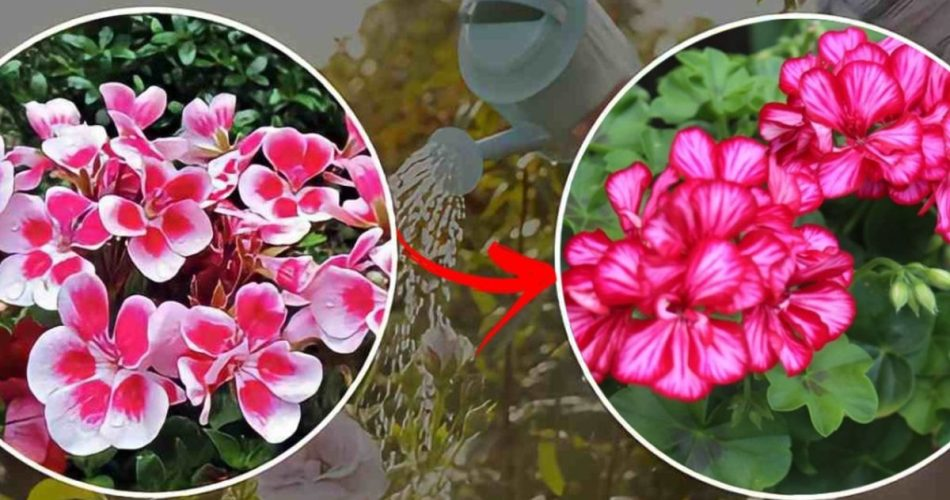
The summer flowering of geraniums decorates squares, balconies , promenades, gardens, etc. but to be so luxuriant, they require attention and the fundamental thing for them to always be wonderful and blooming is to water them at the right time. Their colors are mostly bright , single or two-tone, but always beautiful. Therefore, it is necessary to know how to treat this type of plant that enlivens our summers.
How much light do geraniums need?
Geranium is a plant that needs a lot of light , but in summer you have to be careful with the central hours of the day which can cause dehydration problems. The ideal location would be a semi-shaded spot.
How to water geraniums?
This plant needs a lot of water , but don’t overdo it. To make sure the soil is dry, just use your finger. Dig a little into the soil if it is dry even when entering the pot, proceed to watering. Avoid stagnant water by leaving it in the saucer , this could cause the roots to rot.
What fertilizer do you use for geraniums?
On the market , you can choose between using liquid or solid fertilizers . The best time to fertilize them is in spring, but you can also do it in summer once a month. You can also choose between organic fertilizers, such as humus or manure , mixing them with the soil, or chemical fertilizers sold in specialty stores and sometimes even in supermarkets. In this case, read the administration instructions carefully.
When to prune geraniums!
Pruning geraniums is usually done in the fall , removing the thinnest branches at the base and leaving the strongest ones. But in the summer, some small pruning is necessary when there are faded flowers, which must be removed from the node where their stem grows. Even dry leaves should be removed if present.
Can geraniums bloom again?
Geraniums need plenty of light to bloom , so if you have a bright spot to put them, you’ll find they’ll always be beautiful, lush, and blooming. This plant can live up to 40 years in the best conditions. If, however, your geraniums aren’t blooming, it’s likely because they’re not getting enough light, too much fertilizer has been used, or perhaps pests have attacked them.