
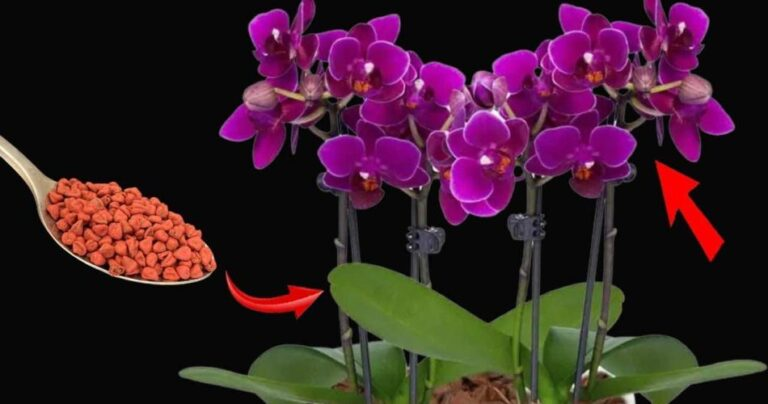
This powerful ingredient guarantees flowering for at least three years. Experts explain what to use and how.
Red lentils can be used as natural plant food thanks to their content of valuable nutrients such as nitrogen, phosphorus, and potassium. This powerful ingredient provides a sustained supply of nutrients to promote plant growth and health. However, it is essential to combine the use of red lentils with agronomic or vegetable management that is attentive to the specific needs of the plants. But how can you use this ingredient to ensure plants flower three years in a row? Let the experts speak.
Powerful ingredient for flowering plants
There is only one powerful ingredient needed for flowering plants: red lentils.
Red lentils, in addition to being a culinary delicacy , can be used as a valuable natural food for plants. This versatile legume not only offers nutritional benefits to humans, but can also provide important nutrients to plants, contributing to their health and vitality.
Red lentils are rich in essential plant nutrients , including nitrogen, phosphorus, and potassium. These three are the main macronutrients plants need for healthy growth and development. Nitrogen promotes vegetative growth, phosphorus stimulates flowering and fruiting, and potassium improves disease and cold resistance. Providing these nutrients through the use of red lentils can help plants reach their full growth and productivity potential.
Powerful ingredient lentils
There are several methods you can use to use red lentils as a natural plant food . One option is to use a red lentil fertilizer. You can buy commercial products containing red lentil extract or make your own homemade fertilizer. To make homemade fertilizer, you can soak the red lentils in water for three hours, then use the soaking water as fertilizer by diluting it with clean water. This liquid can be applied to plants through irrigation or sprayed on the leaves.
Other Ways to Use Lentils for Plants
Another way to use red lentils as a natural plant food is to adopt the practice of using lentil scraps as compost. Lentil residues, such as unused hulls and seeds, can be composted to create valuable humus that can be used as organic fertilizer. This process reduces food waste and at the same time returns nutrients to the soil.
Flowering for three years
It’s important to note that the use of red lentils as a powerful plant ingredient must be complemented by proper soil management and agronomic practices. It’s important to carefully assess the specific nutrient needs of the plants, and tailor the application of red lentil fertilizer accordingly. Furthermore, it’s always advisable to consult agricultural experts or professional gardeners for specific advice on dosage and frequency of use.