
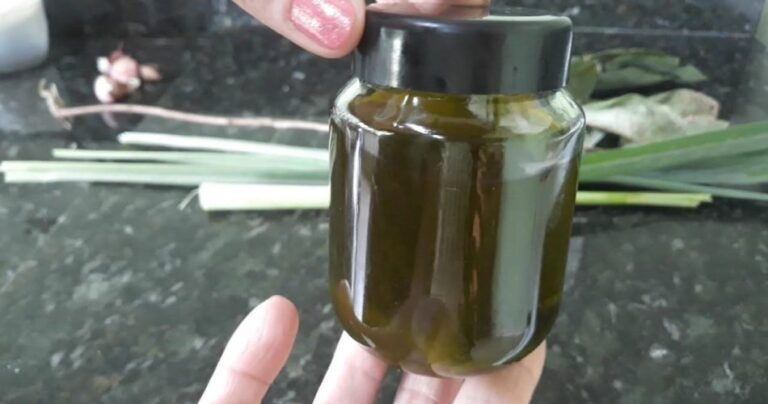
There are several different ways to extract essential oil from plants, but one in particular is the fastest and most effective. Let’s take a closer look.
Since ancient times, essential oils have been recognized and used, responsible for the pleasant aroma of plants.
Over the centuries, their fortunes have oscillated between greatness and obscurity, the latter often corresponding to advances in chemistry and synthetic compounds.
However, since the 1990s, essential oils have experienced a resurgence in popularity and are coming under renewed scrutiny.
This has led to the widespread adoption of aromatherapy as a means of healing and relaxation.
Essential oils are used to enhance physical, emotional and mental well-being , helping to improve the quality of life.
The process of extracting oil from fragrant plants is intriguing and requires a thorough understanding of the flora. However, it is also quite easy to do at home .
To do this, you need a 12-liter distiller , a gas or electric stove, water, and aromatic plants, such as mint, lavender, thyme, rosemary , savory, and sage, which are rich in essential oils.
For the process, about 2 kg of freshly harvested plants are sufficient during their balsamic period, when they are more concentrated in active compounds.
Extract essential oil from plants by distillation
Steam distillation is a process in which steam is used to separate a mixture of two or more substances that have different boiling points.
Extract the essential oil
To obtain essential oils, steam distillation is the reference technique, which consists of exploiting the steam generated by boiling water .
The steam then passes through the plant matter present in the still, carrying with it the aromatic molecules from the plant cells.
These molecules are incredibly light, making them highly volatile and easy to vaporize. The water vapor and volatile molecules then pass through a condenser, returning to a liquid state.
Due to their composition, essential oils have a lower density than water and naturally hang above the aromatic water.
The latter is formed when the vapor returns to a liquid state, dispersing micro-droplets of essential oil that create the unique aroma of the distilled plant.
The separation of the two fluids is simple using a simple separating funnel because they are immiscible.
The products of distillation are pure essential oil and aromatic water also called hydrosol .
Far from being a simple waste product, aromatic water is a valuable by-product of distillation.
This versatile liquid can be used for a variety of purposes, from iron water to facial tonic and even as a powerful herbal antiseptic.
Extract the essential oil
Keep in mind that freshly distilled essential oils may not always be fragrant because they must undergo a maturation period , which usually lasts several weeks.
During this period, it is essential to let the oil rest to reach its ideal aroma .
How to store essential oils
Due to their delicate nature, essential oils must be handled with great care, as they are vulnerable to rancidity and deterioration, which can result in the loss of their natural fragrance and even the release of harmful substances.
To preserve their integrity, it is essential to store them in dark glass containers , away from direct exposure to light and heat.
Essential oils are concentrated and contain active molecules , some of which can have toxic effects.
For this reason, they should be used sparingly, in drops, seeking expert advice to avoid any potential damage.