
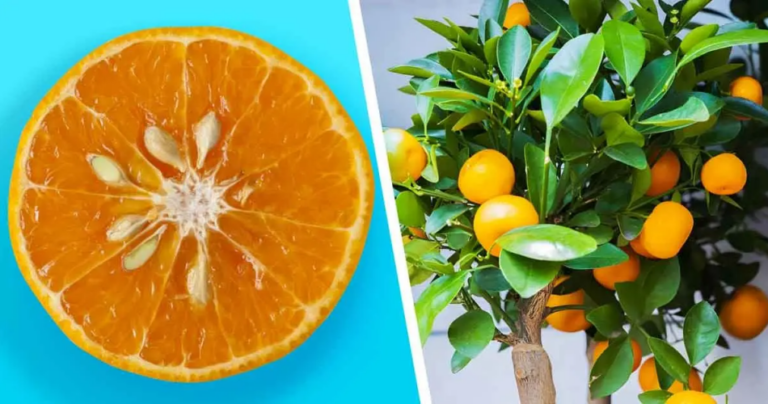
Mandarin is a citrus fruit appreciated for its aroma and sweet, spicy flavor. This fruit is very beneficial for health, particularly thanks to its antioxidant and vitamin C content. To enjoy the benefits of this citrus fruit and taste organic mandarins, you can grow a mandarin at home. Growing this fruit tree is easy and suitable even for those without green fingers! Discover how to plant mandarins at home to have unlimited quantities of them without any traces of pesticides.
Mandarins should not be confused with clementines. The latter is a mandarin hybrid. Specifically, it results from the fertilization of a mandarin flower with the pollen of a sweet orange. There is also a difference in taste. Mandarins are sweeter than clementines and contain more seeds. This fruit is also the least acidic compared to other citrus fruits.
grow tangerines
How to plant mandarins in pots?
To plant tangerines at home, simply follow these 3 steps.
Also read: 5 weedkiller recipes to make with white vinegar
mandarins
Step 1: Prepare for Mandarin Seed Germination
First, select the seeds from an organic mandarin orange and wash them. Then place the seeds on damp cotton wool to germinate them, then place the cotton wool in a glass.
Step 2: Prepare the pot to plant the mandarin seeds
Choose a flower pot with drainage holes and place stones in the bottom. Add a layer of sand on top to ensure better air circulation. For the potting soil, use a mixture of peat, perlite, and fertilizer. You can also enrich the soil with humus. Then water the soil without wetting it.
Step 3: Plant mandarin seeds
When the seeds begin to germinate, gently plant them in the soil and cover them with a little soil. Then cover the surface of the pot with clear plastic wrap to retain warmth and moisture, accelerating seed germination and producing young shoots. Keep the pot in a warm, bright room, but avoid direct sunlight. Water as soon as the soil dries out, but do not overwater. As soon as the first shoots appear, remove the clear film and place your vase at a temperature of around 20°C, in partial shade.
How to care for mandarins and get good mandarins?
Mandarin is easy to care for. Water your fruit tree regularly, making sure the soil remains moist between waterings. Mandarin oranges require regular watering, like all citrus fruits. Also, if you notice the leaves pointing toward the ground, this means your tree is lacking water. Fertilize your tree throughout its vegetative growth period, which is from March to September. Choose a slow-decomposing fertilizer and add it to a moist substrate so the minerals don’t burn your tree’s roots.
potted mandarin
When the seedlings reach 10 to 15 cm in height and their root system is well developed, repot them into a larger pot. Repotting every 2 or 3 years is also necessary. Place clay pebbles at the bottom of the new pot to ensure good drainage and use a substrate composed of sand, compost, and garden soil.
Prune your tree as soon as the flowers appear. To do this, cut back thin branches and twigs to avoid cluttering your shrub. This will give your mandarin tree’s fruit more access to light.
You also protect your fruit tree from diseases and pests that ravage it, such as mealybugs, which suck the tree’s sap and produce a sticky juice called honeydew. Honeydew attracts ants and fungi that cause sooty mold, a fungal disease. Other pests that can attack your tree include aphids and whiteflies.
Also read: These indoor plants attract cockroaches to your home: do not keep them under any circumstances
Additionally, if you plan to transplant your shrub into the ground, wait until it is at least 30 cm tall. This will ensure that your mandarin is robust enough to be grown outdoors, especially since this fruit tree is sensitive to the cold. Indeed, if you have potted mandarin trees grown outdoors, it is recommended to keep them in a sheltered spot in the garden. In winter, you can secure the winter fleece under the edge of the pot.
With just a few seeds, you can grow tangerines at home, fill your home with fragrance, and harvest unlimited organic tangerines!
Also read: Why is it a good idea to plug in your plants?