
Here’s how to prepare your garden for spring in 4 steps
The arrival of spring is a good time to clean up the house, but also the garden. Especially since the return of the sun helps dormant plants resume their vegetative growth. Additionally, some plants bloom in spring, brightening up ornamental gardens and flowerbeds. This is the case for tulips, rhododendrons, clematis, and hyacinths. Discover how to prepare your garden and weed it effectively to welcome spring.
With the return of sunshine and fine weather, it is important to prepare your garden for this spring season, in order to stimulate plant regrowth and ensure better flowering.
How to prepare the garden for spring?
As soon as winter arrives, you can start thinking about preparing your garden for spring. Here are the tasks you’ll need to complete.
Also read: 7 tips to keep ants away from your home and garden
prepare the spring garden
Removing weeds from the garden
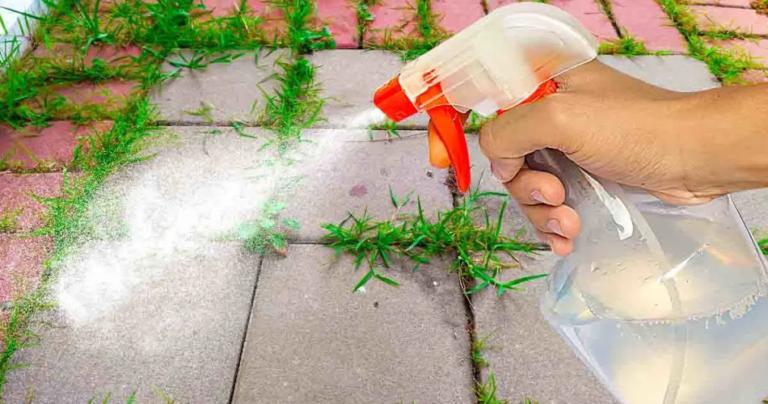
Getting rid of weeds is an important step. This helps the soil rest and regenerate. It also prevents weeds from competing with your plants and draining nutrients to nourish your garden plants. To effectively weed your garden, you can use a single, economical, and plant-safe ingredient: white wine vinegar. Using it is simple. Simply fill a spray bottle with white wine vinegar and spray it on the weeds. If the weeds have grown near your plants, pour the white wine vinegar into a small basin, dip a paintbrush in the liquid, and brush it over the weeds. This way, you avoid touching your plants or damaging them. Note that you can use concentrated white wine vinegar if the unwanted weeds are too mature and difficult to remove. That said, by using white wine vinegar, you avoid herbicides and chemicals that pollute the environment and also harm your plants.
Tip: To prevent weeds from appearing, consider adding a layer of mulch to the soil before they begin to germinate.
Prepare your gardening tools
To properly prepare your garden, it’s important to have the right tools. To do this, you need to review them to keep only those that are still in good condition. Don’t forget to sharpen and oil the blades of your tools to better dig the soil and make clean cuts when pruning plants.
Pruning garden plants
To encourage plant regrowth and stimulate flowering, it’s important to prune them. To do this, use sharp, disinfected pruning shears and cut off dry stems and dead or damaged branches. Be careful not to prune plants that bloom in spring. Wait until the end of the season to do so. This is especially true for rhododendrons, camellias, lilacs, and hydrangeas. In addition to ornamental plants, also consider pruning fruit trees in the orchard for better fruit production.
Prepare the garden soil
prepare the soil
Pinterest logo
Garden maintenance – Source: spm
Using a spade, turn the soil over to break up compacted clods, then aerate it and make it looser, meaning it’s lighter and easier to till. Feel free to mix the soil with mulch or composted bedding. Adding compost is important, especially if the soil is poor or clayey. This fertilizer, made up of organic and mineral matter, improves soil texture, enriches it with nutrients, and helps it retain moisture better.
If it’s still cool for your new plants, you can keep them in a mulched area or in a greenhouse until the perfect time to transplant them into the ground. As for summer plant bulbs, it’s best to prepare them in advance. To do this, plant them in containers containing sand mixed with fine soil. Then, keep them in a bright, warm location.
Also read: Getting rid of ants in the house: 5 simple tips
In addition to the vegetable garden, how do you prepare the vegetable garden for spring?
After weeding the garden and adding natural amendments and fertilizers, start planting seedlings early , even if it’s still cool. This will allow you to have vegetables from the beginning of summer. The key is to protect your crops from the cold. To do this, you can sow peppers, tomatoes, bell peppers, or even melons indoors or in a warm greenhouse . Also consider planting leeks, celery, lettuce, or cauliflower in seed trays.
From the start of spring, think about preparing your garden, but also your vegetable patch to encourage good plant growth and stimulate flowering.
Also read: Put some in the garden, ants hate it, you won’t see them in your home again