
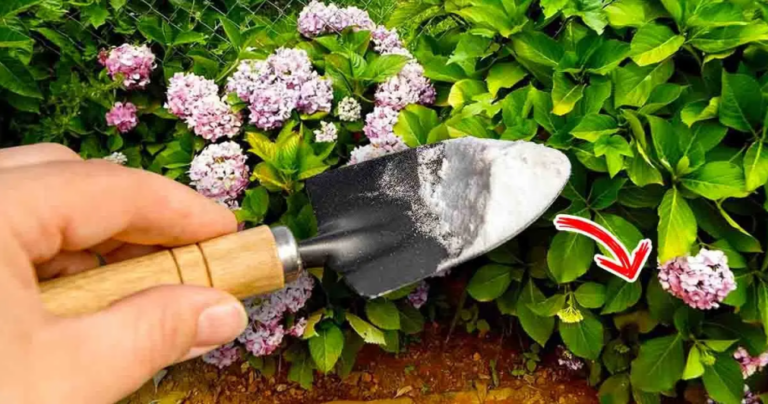
Plants often become sick due to fungal infections caused by fungi. However, most sprays used to treat them usually contain chemicals. This can further irritate them. The alternative? Make your own fungicide sprays using natural ingredients you have at home.
For example, garlic waste will be very useful for tomato plants. Here are some recipes for the safest, most effective, and most environmentally friendly fungicide sprays you can make yourself.
You can use various ingredients that you probably already have in your pantry, such as garlic and baking soda.
Also read: To have an abundant harvest, a gardener friend gave me this tip to apply at the beginning of March
Here are 7 recipes to create your own natural fungicide.
Garlic Fungicide
Tomatoes are among those plants that are often prone to fungal diseases such as leaf mold or downy mildew. A member of the same family as powdery mildew, downy mildew is also a pest that affects many plants such as pumpkin, lettuce, and potatoes.
Here is the effective remedy to prevent it from attacking your tomato plants.
Ingredients :
1 garlic bulb
2 tablespoons canola oil
4 hot peppers
A lemon juice
Procedure and use:
Mix these ingredients and let them infuse overnight in a bucket.
The next day, pass the mixture through a sieve to remove the solid ingredients.
Add 4 tablespoons of this mixture to a gallon of water in a spray bottle and spray the leaves thoroughly when you notice signs of fungal disease.
Garlic is highly valued for combating fungi and diseases that affect garden plants and vegetables. Garlic decoction is a truly effective way to banish root rot and keep unwanted pests away.
apple cider vinegar
Apple Cider Vinegar Fungicide
This simple ingredient has saved many plants from various fungal diseases, even though it requires multiple applications over several days.
Add 4 tablespoons of apple cider vinegar to a liter of water. Spray this mixture early in the day so the acid and sun don’t burn the foliage.
This spray is really powerful against black spots, leaf spots and mold.
It can also be used a few weeks before as a preventative spray.
Sodium bicarbonate fungicide
This homemade fungicide spray will stop powdery mildew, the scourge of gardeners. This white mold is one of the so-called “cryptogamic” diseases: its floury consistency attacks stems, leaves, and even flowers, causing them to become deformed. Moreover, both as a preventative measure and at the beginning of an infestation, sodium bicarbonate is the most recommended natural treatment for fighting fungal diseases. Thanks to its potassium and carbon dioxide content, it will dehydrate the fungi and kill them. As a bonus, it will also eliminate black spots on roses.
Be careful, however, not to overuse sodium bicarbonate, as it could slow down plant growth by depriving them of magnesium and calcium.
Ingredients :
4 teaspoons of baking soda
1 teaspoon of neutral soap
1 liter of water
Procedure and use:
Mix all ingredients and pour them into a spray bottle.
Spray all infected leaves from top to bottom.
Spray the entire plant well, because even if you don’t see the fungus, it may be hiding.
Fungicide for horseradish
Horseradish is an aromatic condiment that can be easily used as a fungicide spray, particularly thanks to its slurry which will effectively combat cryptogamic diseases that infect plants and fruit trees.
Ingredients :
1 cup horseradish
10 liters of water
Procedure and use:
Soak the horseradish in water overnight.
In the morning, filter the mixture and add it to 2 liters of water.
Spray it generously on your plants.
Caution: Avoid contact with eyes.
corn flour fungicide
Another powerful herbicide is cornmeal. While it also acts as a natural fertilizer, this flour is also perfect as a homemade fungicide.
Ingredients :
1 cup cornmeal
5 liters of water
Procedure and use:
Mix the ingredients, filter them and spray the solution directly onto the leaves of the plants.
Aspirin-based fungicide
You often use it for migraines and many other bodily ailments. However, you may not have known it, but aspirin is truly versatile. This medication has very interesting properties for caring for your garden. Thanks to its salicylic acid, it promotes plant growth and provides lasting protection from the many pests that try to kill them. This includes the famous Fusarium and Verticilium fungi, well known for disrupting plant growth.
Ingredients :
1 aspirin
4 cups of water
Procedure and use:
Crush the aspirin powder and add it to the water.
Mist your plants generously every two weeks during the growing season.
This is a good mix to spray about every two weeks.
tomato cultivation
Daisy fungicide
The daisy is an easy plant to grow, but it also acts as a powerful fungicide when used as a spray. Its flowers have their own insecticidal properties, automatically repelling many unwanted pests such as aphids, flies, crickets, and other insects.
Here’s how to prepare it at home:
Dry a few handfuls of flowers and grind them into powder.
Soak for 24 hours in 4 liters of water.
Strain them and spray the solution on the plants, both as a preventative and curative measure against fungal problems on any plant.
How to Use Homemade Fungicides
Before covering the entire plant with the homemade mixture, spray a few leaves to check for side effects.
Also read: Can I use my phone while it’s charging? The answer isn’t obvious: it will surprise you
You can use them at the beginning of the season, before the fungus appears, as a preventative measure.
Here are some practical tips to follow to the letter:
Leave plenty of space between plants to ensure adequate air circulation.
Water your plants well, especially in midsummer.
Feed your soil before planting and feed your plants throughout the season to keep them strong and more disease resistant.
Remove any leaves or plants that show signs of fungal damage.
Do not allow infected foliage to rot in the soil.
Use these natural fungicides as a preventative measure and spray your plants every two weeks.
Read also: Mixing sugar and vinegar: a miraculous combination to save money at home