
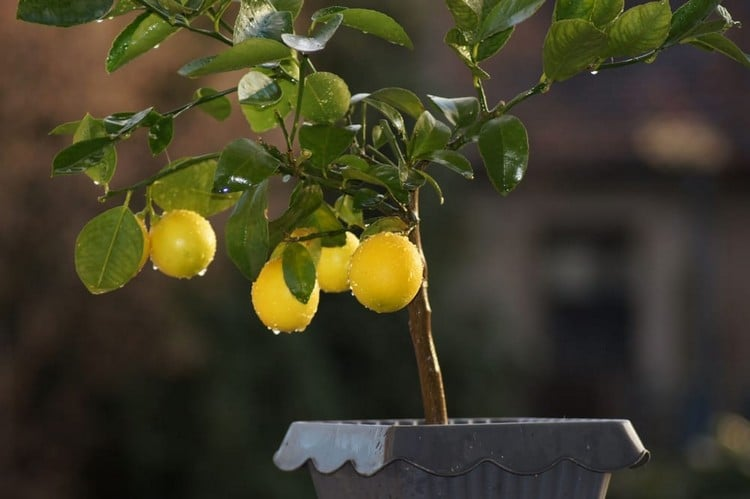
When life gives you lemons, make citrus! The next time you drink lemon water in the morning or try an acidic hair rinse, save a few seeds from the fruit you used. These small white seeds can grow into a potted fruit tree that will yield succulent lemons. Even during the coldest months, a productive lemon tree can thrive inside your home. Exotic in appearance, with glossy, dark green leaves and pleasantly fragrant, snow-white flowers, this citrus fruit is both attractive and refreshing. But how do you grow a lemon tree at home from almost scratch? Here are the steps!
How to grow a lemon tree: the practical guide
Contrary to popular belief, growing a lemon tree in a pot from just a few seeds isn’t complicated! In fact, it’s a fairly simple task, especially if you have a warm, sunny windowsill and a dose of patience and love for green plants. Well, it will take a few years to bloom, but your hard work will eventually pay off.
Why and how to grow a lemon tree
Before answering the question of how to grow a lemon tree, let’s talk a little about the reason behind the proposed idea. Of course, the most obvious reason for wanting to grow your own small citrus trees is being a fan of houseplants and enjoying caring for them. However, caring for the exotic tree in question is definitely worth it, even if you don’t have a green thumb.
First of all, the lemon tree’s lush foliage and fragrant alabaster inflorescences are a real treat for the eyes. In addition, its fruits, ranging from chrome yellow to greenish to saffron, depending on the specific variety chosen, impress the discerning observer. The aesthetic appeal is simply undeniable!
By the way, if left on the tree, lemons can retain their good condition and impeccable appearance for several months after ripening. If, on the other hand, you decide to harvest and consume them, these little vitamin C bombs will offer you numerous health benefits, including improved resistance to colds and flu.
Variety, material and necessary conditions
Here’s what you’ll need to grow your own lemon tree in a pot. First, make sure your seeds come from an organic lemon, as overtreated lemon seeds often fail to germinate. Ideally, choose dwarf varieties like Citrus Limon Ponderosa, Meyer Lemon, Lisbon species, and Calamondin (Citrus madurensis).
Likewise, prepare quality potting soil, citrus or planting soil, and natural fertilizers like compost. Next, secure a pot with a well-perforated bottom that measures about 6 inches in diameter and depth. You’ll also need a second pot about 60 cm in diameter and about 30 cm deep. Finally, a sunny spot inside your home is essential for success.
How to grow a lemon tree step by step
- Moisten the soil well so that it is evenly moist, but not soaking wet. Then, fill the small pot with moist soil, up to 2-3 cm below the rim.
- Cut your lemon in half and remove one seed. Clean it of any remaining pulp on its surface. The easiest way to do this is to suck it in your mouth for a few moments.
- Don’t wait too long to sow the seeds, as they should still be moist once placed in the soil. Then, insert it into the center of the small pot about 1 to 2 cm deep. Using a spray bottle filled with clean water, gently spray the soil directly onto the seed.
- Cover the pot with a sheet of cling film, seal the edges with a rubber band, and pierce small holes in the top of the film with a sharp pencil.
- Place the pot in a warm, sunny spot and spray with water occasionally, without letting the soil dry out. Be careful not to overwater the soil; just keep it slightly moist.
What additional care should I use for my little citrus fruit?
After about two weeks, your seed will germinate and you can remove the clear plastic film. Care for the young plant by keeping the soil regularly moist, giving it moderate doses of organic fertilizer, and ensuring it receives at least eight full hours of light per day. If necessary, you can use a grow light to supplement your lemon tree’s light needs. Monitor the young plant to ensure it is not attacked by insects or diseases. From time to time, prune off dead brown leaves and enrich the soil with compost.
When the plant outgrows its small pot, replant it in the larger container. When replanting, you should follow roughly the same procedure as when you initially planted it. Keep in mind that younger plants need more water than mature plants. However, at each stage of their development, lemon trees require an adequate amount of water to prevent their root system from drying out and rotting. Finally, store your lemons properly so you can enjoy them at their best!