
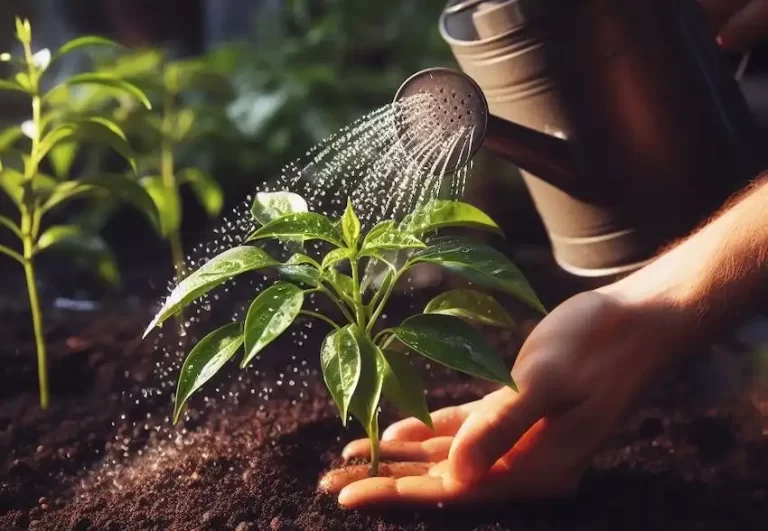
Growing black pepper (Piper nigrum) at home can be a rewarding endeavor, even though it’s primarily grown commercially in warm climates. With the right conditions and patience, you can grow this spice in your own space. Here’s a comprehensive guide on how to grow black pepper from seed at home, incorporating information from a variety of sources.
Ideal growing conditions
Climate Adaptability : Although pepper plants thrive best in tropical climates with high temperatures and humidity, they can adapt to cooler, drier climates.
Sunlight Requirements : These plants require at least 6 hours of indirect sunlight per day. In colder conditions, they may require more sunlight. If grown indoors, place the plant near a window to receive partial sunlight.
Soil Requirements : Use well-drained soil with a pH between 6.2 and 7.0. A medium-loam, humus-rich soil is ideal for retaining some moisture while ensuring good drainage. Adjust the soil pH with lime or sulfur if necessary.
Watering and humidity
Watering Schedule : Water 2 to 3 times per week or when the soil surface feels dry. The soil should be kept constantly moist but not waterlogged to prevent rot and pests.
Humidity Levels : Mist plants frequently with fresh water, and for potted plants, place a saucer of water underneath to increase humidity.
black pepper plant
Soil preparation and fertilization
Soil enrichment : Prepare the soil with well-aged manure or nutrient-rich compost. Liquid fertilizer every two weeks and Epsom salt can promote stronger growth.
Mulching : Use organic mulch such as leaves, straw, or grass clippings to prevent evaporation and suppress weeds. Mulch twice a year.
Planting process
Seed preparation : Soak the seeds overnight in warm water. Then plant them in pots with quality potting soil and aged manure or compost, about a quarter to a half inch deep and no more than three inches apart.
Germination and Growth : Plant indoors and keep the soil moist and warm. Germination should occur in 30 to 40 days. Provide overhead shade until seedlings are 5 to 6 inches tall before planting outdoors.
Propagation from cuttings : Propagate cuttings from runner shoots in February or March. Cut into two- or three-node cuttings and plant in well-drained soil, keeping it moist.
Patience and care
Growing Time : Patience is essential as plants can take several years to flower and produce peppercorns, usually up to 5 years.
Pest and Disease Control : Watch for root rot, aphids, slugs, scale insects, and spider mites. Use organic pest control methods if necessary.
Harvesting and storage
Harvesting Mature Plants : It takes 2 to 5 years for the plants to mature enough to be harvested. Once ready, the pepper fruits will turn light red. Dry them in direct sunlight until they shrink and turn black.
Storage : Store peppercorns for up to 4 years in an airtight container in a cool, dry place. Freshly ground pepper should be stored in resealable bags in the same way.
harvesting and storing black pepper
Additional tips
Choosing a location : Select a location in your garden or home that can provide the necessary sunlight and humidity conditions.
Regular maintenance : Check plants regularly for signs of pests or disease and take immediate action to mitigate any problems.
Support Structures : Since the black pepper plant is a vine, providing support structures like trellises can help effectively manage its growth.
Growing black pepper from seed at home requires attention to detail, from preparing the soil to ensuring the right environmental conditions. With patience and proper care, you can successfully grow this spice, enjoying its fresh, pungent flavor straight from your garden. Remember that the key to a thriving black pepper plant lies in the balance between moisture, sunlight, and soil conditions.