
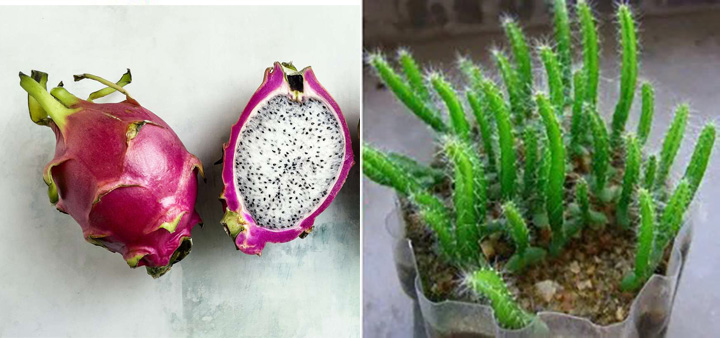
Dragon fruit, also known as pitaya or pitahaya, is a tropical fruit known for its bright red skin and sweet, seed-speckled pulp. Its unique look and status as an acclaimed superfood make it incredibly popular. While often eaten fresh, dragon fruit can also be used in smoothies, salads, and desserts. But did you know you can grow this exotic fruit at home, even if you don’t live in the tropics? Here’s a complete guide on growing dragon fruit in pots from seeds.dragon web1. Obtain the Seeds Before you start planting, you need seeds. Here’s how to obtain them: From a dragon fruit: Cut a dragon fruit in half and remove the seeds from the pulp. Clean the seeds by washing them to remove any attached pulp. Buy online: Many online retailers sell dragon fruit seeds. 2. Prepare the Seeds
Soaking: After cleaning the seeds, soak them in water for about 24 hours. This softens the outer shell and speeds up germination. 3.
Choosing the right pot
Size: Choose a pot that is at least 15 inches deep and 24 inches in diameter. Dragon fruit plants have extensive root systems and need plenty of room to grow. Drainage: Make sure your pot has good drainage. This will prevent overwatering, which can cause root rot. 4.
Soil preparation
Type: Use a high-quality potting soil, preferably a cactus or succulent mix, as dragon fruit is a type of cactus. pH Level: Make sure the soil pH is neutral, around 6 to 7.5. 5.
Plant the seeds
Planting Depth: Plant seeds about 1/4 inch deep. Spacing: Space seeds about 2 to 3 inches apart. Watering: Moisten the soil with water, but make sure it is not soggy. 6.
Germination
Temperature: Dragon fruit seeds germinate best at temperatures between 70 and 85°F (21 and 29°C). Location: Place the pot in a warm, sunny location. If growing indoors, a sunny windowsill or under grow lights are ideal. 7.
Caring for Your Dragon Fruit Plant
Watering: Water when the top inch of soil feels dry. Dragon fruit plants are drought tolerant, so be careful not to overwater. Feeding: Once your plants are established (after 5-6 months), feed them with a balanced fertilizer monthly during the growing season. Support: As your plant grows, it will need support. Install a trellis or stake to help support your dragon fruit plant. 8.
Harvesting Once your plant has matured, which can take a few years, it will produce fruit. Harvest dragon fruit when its skin is bright red or pink and slightly soft to the touch. Conclusion Growing dragon fruit in pots from seed is a rewarding experience. It may take time and patience, but the result is a delicious, homegrown fruit rich in nutrients. Whether you’re a gardening novice or a seasoned pro, with the right care, you can enjoy your own dragon fruit harvest.